

Audio By Carbonatix
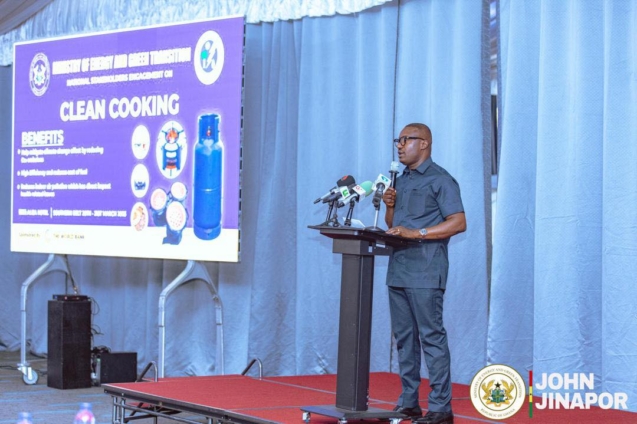
The Ministry of Energy and Green Transition has launched a two-day National Clean Cooking Policy and Strategy Workshop to tackle public health concerns and environmental degradation.
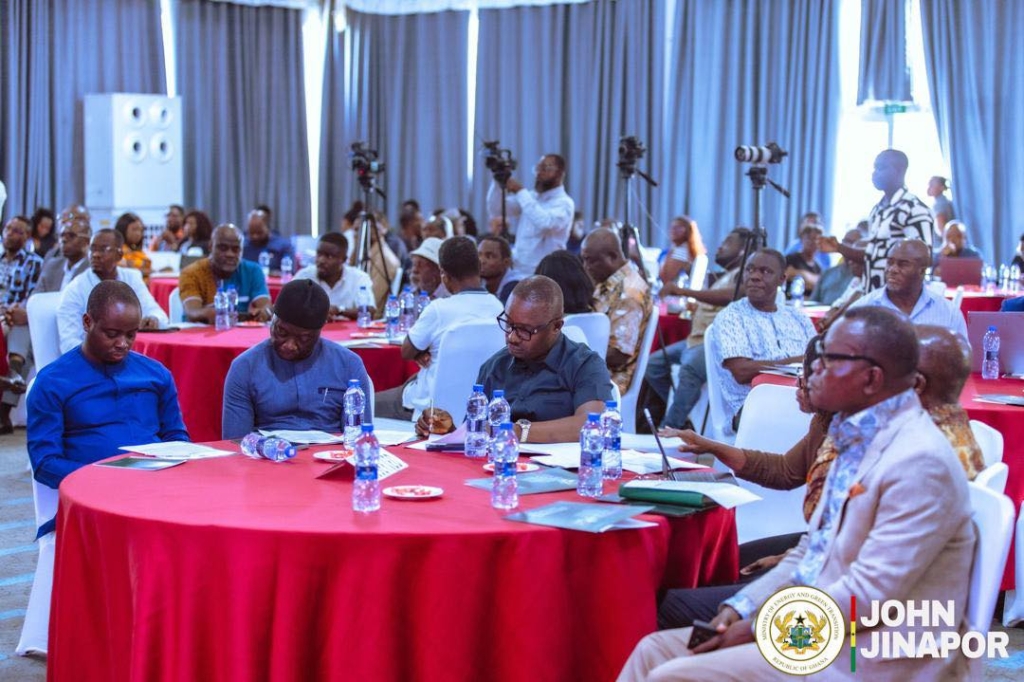
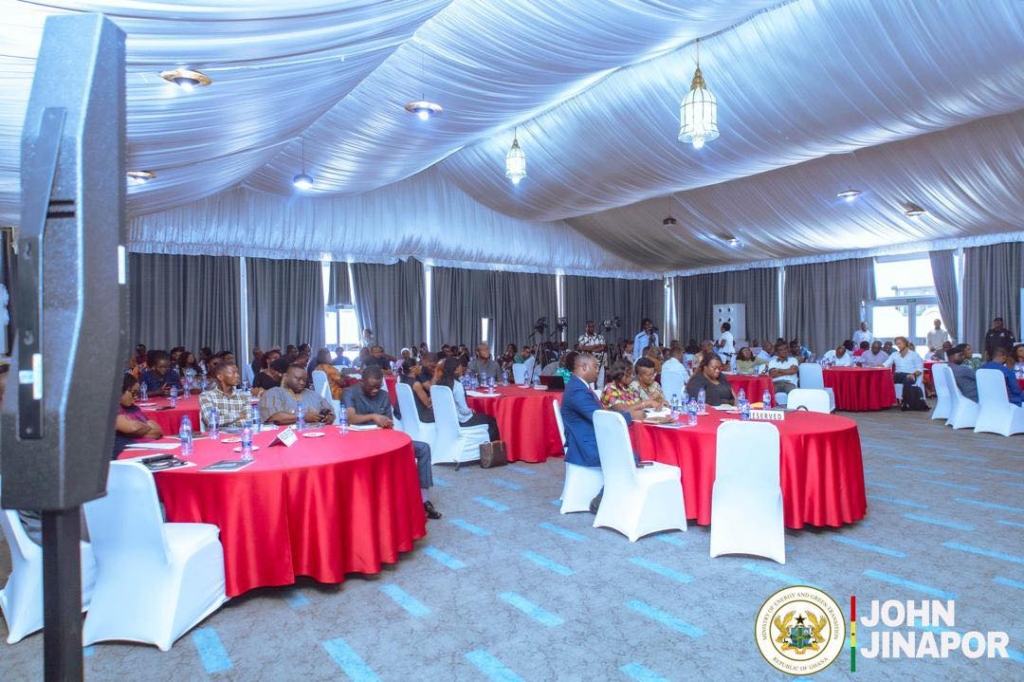
The event brings together a diverse group of stakeholders, including policy experts, industry leaders, and development partners, marking a significant step in Ghana's efforts to promote clean cooking solutions.
Delivering the keynote address, Minister for Energy and Green Transition, John Abdulai Jinapor, highlighted the substantial challenges of household cooking in Ghana, where nearly 60% of the population relies on traditional solid fuels such as charcoal and firewood.
He noted that this dependence leads to approximately 6,500 deaths annually due to household air pollution, with children under five being particularly vulnerable.
He stressed the socio-economic toll of inefficient cooking methods, particularly on women and children, who face the burdens of fuel collection and health risks.
To address these issues, the Ministry introduced the proposed National Clean Cooking Policy (NCCP), which aims to establish a structured framework for promoting clean cooking solutions across the country.
The policy will support a diversified clean cooking energy mix, including Liquefied Petroleum Gas (LPG), electric stoves, biogas, and improved biomass cookstoves.
Mr Jinapor explained that the NCCP would provide regulatory and fiscal incentives to boost investment in the sector and support local industry development to ensure the affordability and availability of clean cooking technologies.
He also emphasised the need for public awareness campaigns to drive behavioural change toward cleaner cooking solutions.
The Minister further announced the revision of the National Clean Cooking Strategy (NCCS) and the accompanying Investment Prospectus (IP), which will outline a clear roadmap for implementation.
These documents will define stakeholder roles, responsibilities, and the financial resources required to scale up clean cooking adoption.
He urged participants at the workshop to engage in meaningful discussions and offer innovative solutions that move Ghana from policy formulation to tangible action.
"Achieving universal access to clean cooking is not solely the responsibility of the government; it requires a collaborative, multi-stakeholder approach," he stated.
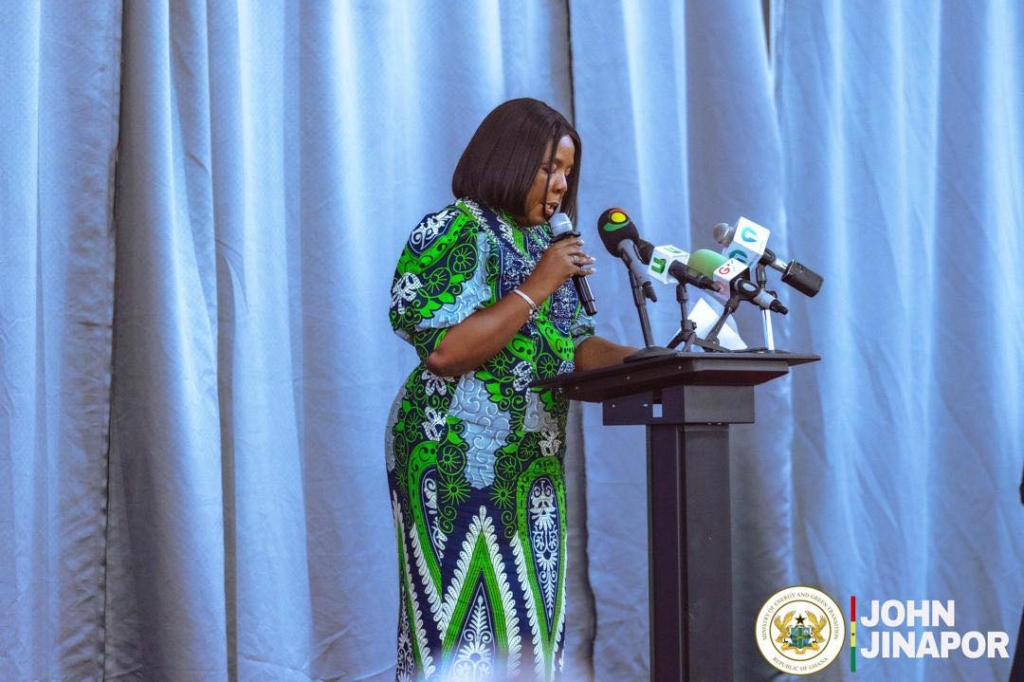
Chief Director of the Ministry of Energy and Green Transition, Wilhelmina Asamoah, welcomed participants and underscored the workshop’s focus on inclusiveness and addressing local realities.
"This workshop provides a platform for open dialogue, knowledge sharing, and strategic collaboration over the next two days," she said.
She noted that this engagement is the first of three planned regional workshops, gathering insights from representatives across Ghana’s southern, middle, and northern regions.
Expressing appreciation to the World Bank for its ongoing support of Ghana’s clean cooking agenda, she acknowledged its critical role in advancing key policy initiatives.
Participants were encouraged to contribute actively to discussions and work collectively towards a cleaner and more sustainable future.
Latest Stories
-
Netherlands Fire Chief in Ghana to support fire safety reforms and market fire prevention efforts
3 hours -
Mason goes on remand for stealing
3 hours -
Gov’t cuts fuel taxes, deploys buses to curb impact of rising fuel prices
4 hours -
Interior Minister calls for intelligence-driven strategy as Ghana strengthens counter-terrorism efforts
4 hours -
Adenta Circuit Court remands Pastor William Gyimah over viral threats against Vice President
4 hours -
“We’ve implemented changes to prevent a repeat of the AFCON final” – CAF President Motsepe
4 hours -
Gov’t orders deployment of Metro Mass buses to cushion commuters amid fuel price hike
5 hours -
Key Indian state polls begin in test for Modi’s party
6 hours -
Playback: Gomoa Easter Carnival in photos
6 hours -
Gov’t orders removal of fuel taxes to ease pump price hikes
6 hours -
“Whatever the decision of CAS, we will respect it” – CAF President Motsepe after AFCON final meetings in Morocco
6 hours -
Emma Ankrah: When waiting becomes part of treatment – Reflections on hospital care
6 hours -
Ghana urges travellers to prepare for new EU border system roll-out
6 hours -
Mahama enforces fuel coupon ban for ministers as cabinet moves to slash fuel taxes
6 hours -
Task force probes strange fish deaths in Tema
6 hours