

Audio By Carbonatix
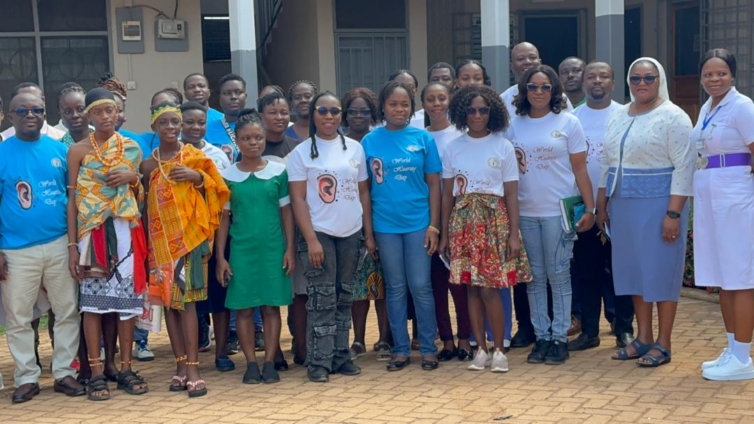
The Ear, Nose and Throat (ENT) Nurses Society’s Ahafo and Bono Chapter, in partnership with St Elizabeth Catholic Hospital, marked the 2026 World Hearing Day on Tuesday with a strong call for community-led action to tackle childhood hearing loss.
Organised under the global theme, “From communities to classrooms: hearing care for every child,” the event emphasised the need to move ear health awareness beyond clinical settings into homes and schools.
This year’s observance highlights the critical link between health and education, with a focus on early detection and eliminating the stigma associated with hearing impairment to ensure every child has access to clear hearing.
Dr Daniel Anin, an Ear and Throat Surgeon at St Elizabeth Hospital, spoke on the role of health professionals in managing paediatric hearing loss. He cautioned against inserting foreign objects into the ear, citing cotton buds, toothpicks, sticks and Hopi candles as common causes of avoidable trauma. He also warned against the use of home remedies, including hot or cold oils and unverified herbal treatments.
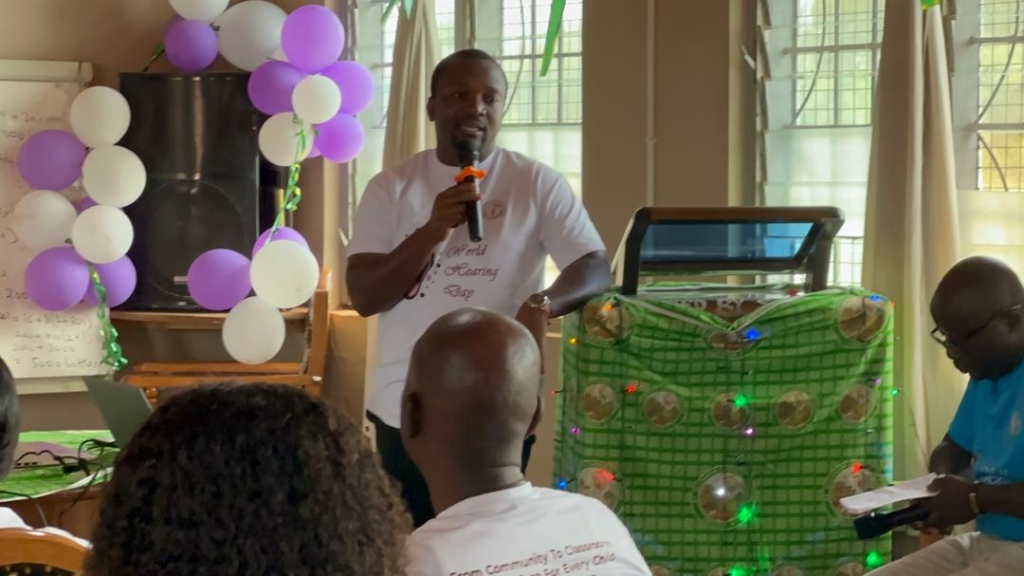
Dr Anin further stressed that prolonged exposure to high noise levels remains a leading cause of hearing deterioration. He urged parents to request hearing screening for newborns and advocated the use of ear protection in noisy environments.
He noted that many preventable conditions, such as impacted earwax and chronic infections, often go untreated in low-resource settings, increasing the risk of long-term complications.
According to the 2021 World Report on Hearing, about 90 million children and adolescents worldwide live with hearing loss, with a significant proportion undiagnosed — contributing to what experts describe as a “silent” academic crisis.

Rev. Sr Georgina Quayson, Administrator of St Elizabeth Catholic Hospital, observed that some children are unfairly labelled as academically weak simply because they struggle to hear instructions in class. She emphasised that a child’s wellbeing and learning capacity depend on the collective responsibility of attentive teachers and proactive parents.
The campaign highlighted that more than 60 per cent of childhood hearing loss is preventable through cost-effective public health measures.
Nurse Manager Gladys Bediako stated that integrating systematic hearing screening into school health programmes is essential to preventing long-term effects on speech, cognitive development and future economic prospects.
By identifying conditions such as Otitis Media with Effusion (OME) early, health professionals aim to prevent temporary hearing challenges from progressing into permanent disability.

Latest Stories
-
Gov’t pushes TVET curriculum reforms to equip students for changing job market
58 minutes -
Sexual harassment remains biggest threat to academic freedom in Ghana’s tertiary institutions – ACAF report
1 hour -
Police probe suspected foul play after woman found dead in Somanya
1 hour -
Trump threatens 100% tariff on European nations over tech tax
1 hour -
Gunmen shoot community police assistant in Central Region
2 hours -
GH¢7.5 million lifeline: Ghana Medical Help donates 17 dialysis machines, urges end to geographical barriers and “voluntourism”
2 hours -
EU, Germany inject €415,000 into Ghana’s pharmaceutical manufacturing drive
3 hours -
OFFICIAL: FIFA confirms Ghana’s qualification ahead of Croatia clash
4 hours -
Spain hand Uruguay knockout blow
4 hours -
Cabo Verde hold Saudi Arabia to book historic Argentina tie
4 hours -
Players happy, content with Queiroz plan but focused only on qualification – Semenyo
4 hours -
Croatia vs Ghana: Semenyo insists team is focused on finishing off right
4 hours -
Croatia vs Ghana: Carlos Queiroz vows Black Stars will come out stronger
5 hours -
Nduom backs indigenous ownership if Standard Chartered sells retail banking business
5 hours -
Two dead, seven injured in head-on collision on Elubo-Takoradi section of N1 highway
6 hours