

Audio By Carbonatix
A public health epidemiologist, Dr. Nii Hanson-Nortey, has stated the vital role of journalists in tackling misinformation and disinformation during health crises.
In the wake of recurrent global health crises, he said the media had evolved into an effective tool for shaping public perceptions and behaviours, sometimes with life-changing implications.
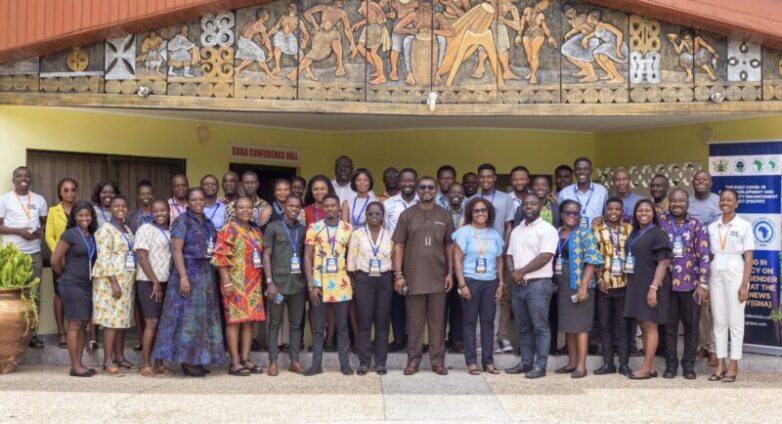
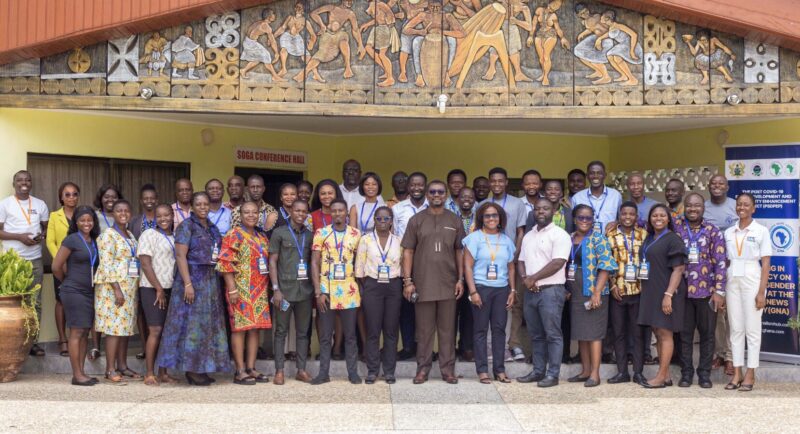
Dr. Hanson-Nortey was speaking on Health Communication and Infectious Diseases during a virtual presentation, as part of a four-day skills development training for journalists and editors of the Ghana News Agency (GNA) at Sogakope, Volta Region.
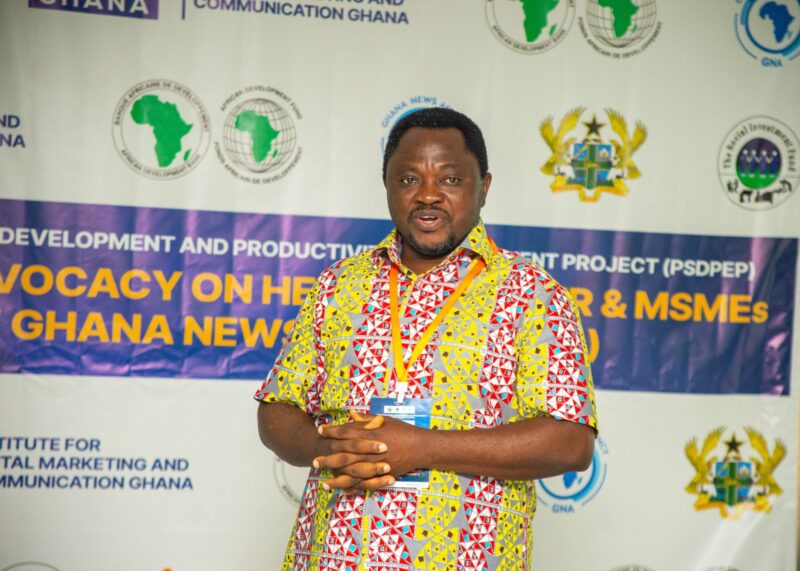
The training was facilitated by the Institute for Digital Marketing and Communication Ghana (IDMC-Ghana) and formed part of the Post-COVID-19 Skills Development and Productivity Enhancement Project (PSDPEP), being sponsored by the African Development Bank.
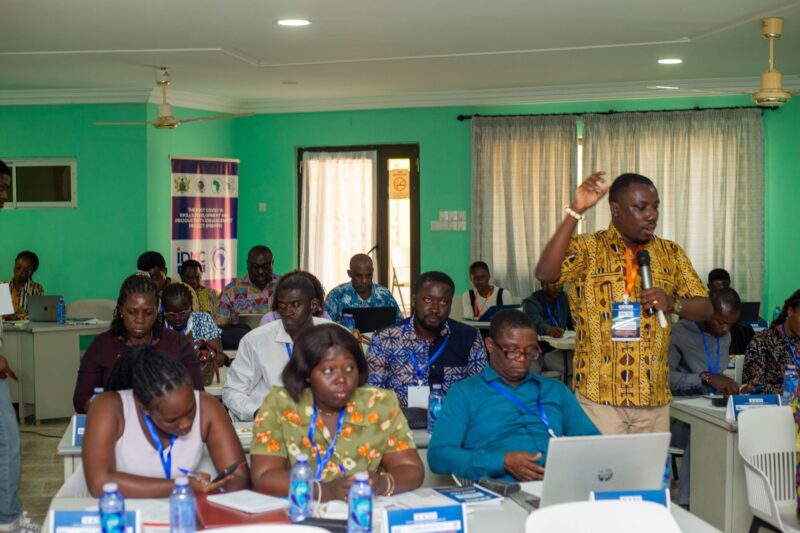
It would promote effective communication on issues of health, infectious disease, Micro, Small and Medium Enterprises, gender, digital storytelling and climate change.
Dr. Hanson-Nortey stated that the propagation of disinformation during infectious disease outbreaks not only aggravated public health issues, but also caused widespread panic.
He contended that, while the media could provide essential information, it could also serve as a conduit for misinformation.
According to Dr. Hanson-Nortey, disease outbreaks are more than just a public health problem; they are also “information crises.”
He said the stakes were now higher since epidemics could spread both physically and digitally, with print, posts, and videos frequently going ‘viral’ faster than the infection itself.
Dr Hanson-Nortey said the media had the onus to disseminate accurate, clear, and responsible information.
“Journalists have at times both built and undermined public trust, serving as both a constructive source of scientific facts and as a destructive source of rumour that tends to amplify panic,” he said.
Dr Hanson-Nortey observed that, given the potentially damaging implications of poor epidemic reporting, “journalism has a responsibility to contribute to enhanced public knowledge during times of pervasive fear.”
He noted that disinformation might have an impact not only on the general public, but also on health professionals, policymakers, and doctors, whose actions were sometimes influenced by the wave of popular opinion generated by media coverage.
He added that clear professional guidelines based on journalistic and healthcare ethics, as well as educational resources for reporters covering epidemics, were needed.
Mr. Charles Yao Mawusi, a consultant, urged journalists to use advocacy strategies to influence public opinion, create policy change, and address issues of inequality.
They must advocate for truth, public well-being, and social justice rather than simply reporting the news.
Latest Stories
-
We can tackle multiple priorities – Sam George defends Anti-LGBTQ Bill push
17 minutes -
Statement: Ghana Chamber of Mines’ Response to Claims in Joe Jackson’s “Ananse Stories about the Economy of Ghana”
18 minutes -
GES opens 2026 teacher recruitment for licensed B.Ed graduates
21 minutes -
Ghana must value skilled trades, build resilient learners — Ibn Chambas
29 minutes -
Ghana must rethink education around relevance, resilience and responsibility — Ibn Chambas
32 minutes -
Prince Harry faces defamation lawsuit from charity he co-founded
34 minutes -
South Korea deploys thermal cameras to track escaped zoo wolf
35 minutes -
Calls for royal meeting with Epstein survivors grow ahead of US visit
38 minutes -
Ibn Chambas advocates blend of technology and human values in education
40 minutes -
UMA improves healthcare access in Asutifi North with GH₵700k ‘Kim Taylor Legacy’ Walkway
45 minutes -
Scholarships Authority and Fanaka University offer sponsorship for procurement and supply chain studies
48 minutes -
Bisa Kdei drops new single ‘Go N Look’ featuring Medikal
54 minutes -
Benin facing rising terrorism in north as French military presence faces growing criticism
55 minutes -
UEW Public Lecture Series 2026: Education debate ‘about the soul of Ghana’s future’ — Dr Ibn Chambas
56 minutes -
EU fingerprint and photo travel rules come into force from today
1 hour