

Audio By Carbonatix
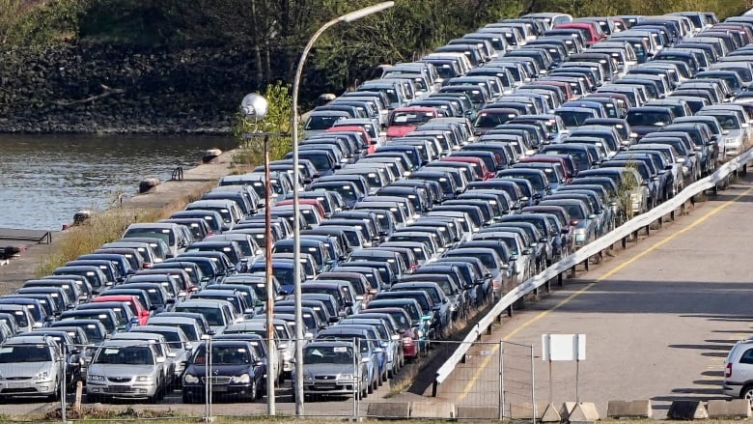
European Union lawmakers and member countries reached a deal to ban the sale of new gasoline and diesel cars and vans by 2035.
Under the deal reached by negotiators on Thursday, carmakers will be required to reduce the emissions of new vehicles sold by 55 per cent in 2030, compared to 2021, before reaching a 100 per cent cut five years later. The European Parliament and member states must formally approve the agreement before it comes into force.
The European Parliament said the deal is a signal ahead of COP27, the United Nations' annual climate change conference, "that the EU is serious about adopting concrete laws to reach the more ambitious targets set out in the EU Climate Law."
According to EU data, transportation is the only sector in which greenhouse gas emissions have increased in the past three decades, rising 33.5 per cent between 1990 and 2019. Passenger cars are a major polluter, accounting for 61 per cent of total CO2 emissions from road transport.
The EU wants to drastically reduce emissions from transportation by 2050 and promote electric vehicles, but a report from the bloc's external auditor showed last year that the region lacks the appropriate charging stations.
The EU Parliament said Friday that funding should be directed to help small- and medium-sized businesses that are part of the automotive supply chain, as well as vulnerable regions and communities, weather the transition to ending sales of cars that run on gas and diesel.
Aiming for Paris targets
World leaders agreed in Paris in 2015 to work to keep global temperatures from increasing more than 2 C, and ideally no more than 1.5 C by the end of the century. Scientists have said even the less ambitious goal will be missed by a wide margin unless drastic steps are taken to reduce emissions.
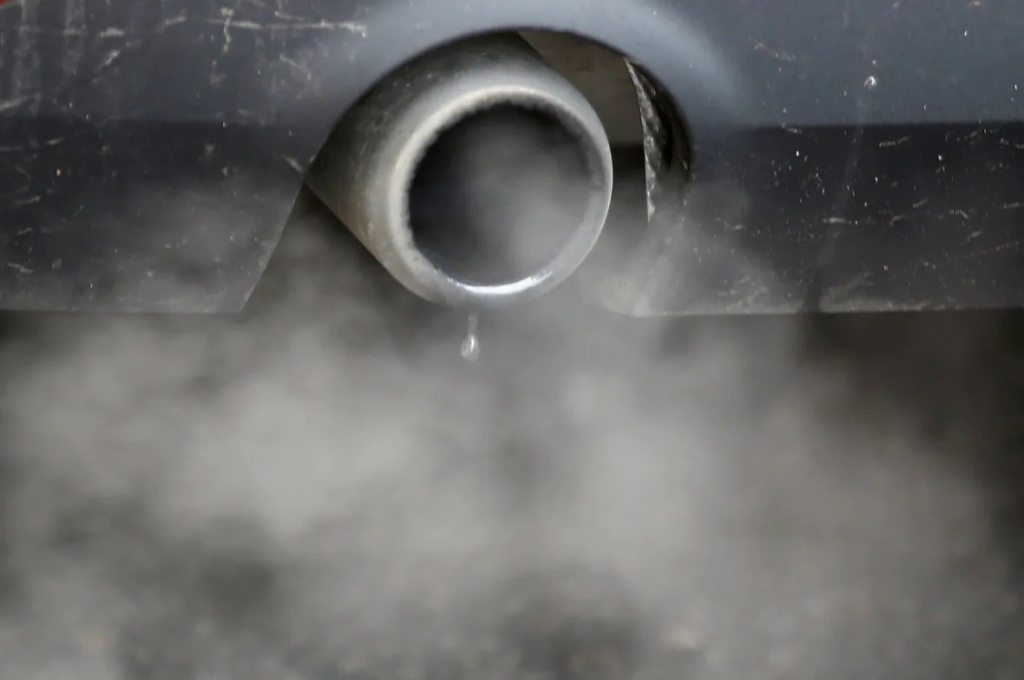
"This is a historic decision, as it sets for the first time a clear decarbonization pathway — with targets in 2025, 2030 and 2035 and aligned with our goal of climate neutrality by 2050," said Pascal Canfin, the chair of the environment committee of the European Parliament. "This sector, which accounts for 16 per cent of European emissions at the moment, will be carbon-neutral by 2050."
Greenpeace said the 2035 deadline is too late to limit global warming to below 1.5 C.
"The EU is taking the scenic route, and that route ends in disaster," said Greenpeace EU campaigner Lorelei Limousin. "A European 2035 phase-out of fossil fuel-burning cars is not quick enough: New cars with internal combustion engines should be banned by 2028 at the latest."
Limousin called the deal announcement "a perfect example of where politicians can bask in a feel-good headline that masks the reality of their repeated failures to act on climate."
Latest Stories
-
US warns citizens to reconsider Nigeria travel on safety grounds
18 minutes -
Ivan Toney questions refereeing in Saudi Pro League title race after Al-Ahli draw
19 minutes -
Angola appoint Aliou Cissé as new head coach
31 minutes -
Virtual Security Africa showcases digital security vision at Kwahu Business Forum
36 minutes -
EBID strengthens regional integration role amid global economic uncertainty
1 hour -
Two assault rifles, ammunition retrieved in Police probe of Tamale gang attack
1 hour -
EBID records strong financial growth with $722m disbursements in 2025 – President, Dr George Donkor
1 hour -
EBID to mobilise $2.69bn under new 2026–2030 growth strategy – Dr George Donkor
1 hour -
An open letter to telcos, regulators and security agencies on mobile money fraud in Ghana
1 hour -
Mobile Money Merchants are driving fraud
1 hour -
Alban Bagbin declines minority’s motion to investigate sale of gold reserves at BoG
1 hour -
NACOC leadership tours drug testing centres in Accra
2 hours -
OSP’s power to prosecute without AG’s authorisation unconstitutional – AG files at Supreme Court
2 hours -
Seven African referees selected for World Cup 2026 as Ndala, Issa Sy miss out
2 hours -
Why diaspora investors are using Accra real estate to hedge against global uncertainty in 2026
2 hours