

Audio By Carbonatix
Researchers monitoring the genetic makeup of coronavirus say a very similar virus found in bats and pangolins, is not a perfect match.
Renowned veterinary specialist and epidemiologist, Dr Maarten Hoek said efforts to identify potential animal sources of Covid-19 are yet to yield positive results.
"They (researchers) are still looking for the exact animal source, and may never find it if it is from obscure animal from illegal animal trade," he said.
But researchers have strong indications that Covid-19 came from a pangolin-like animal and sources from civet cats.
The Netherlands-based scientist who is researching the coronavirus pandemic said there is no scientific evidence infected pets can transmit the disease to humans.
He said pet owners should not rush into dispensing with such animals.
Dr Hoek was answering questions at a webinar conference organised by Internews' Earth Journalism Network for science journalists across the world.
The video conference was on a theme: Zoonotic Disease: How the wildlife trade and the disruption f ecosystems have increased the spread of epidemics.
Questions asked ranged from replication of viruses in humans to how their genetic materials change were answered.
"Each time a virus replicates in human cells, it's genetic material changes due to errors in replications. And in most cases, this result in virus not being viable - not being infectious and some in cases result in virus being more infectious," he said.
The veterinarian doctor indicates there is a lot to be done in finding a vaccine because it will keep on change.
"We still have a lot of work to do on a vaccine. We are still far away," he stated stressing animals are most likely to spread a virus.
"When animal and human are stressed their immune system is suppressed and, therefore, the virus is less controlled and able to infect more cells within the bodies," he noted.
He cited the 1918 Spanish influenza outbreak to further explain how people were stressed in many ways resulting to poor functioning of the immune system.
Dr Hoek dismisses claims that the virus is transmitted through waterways.
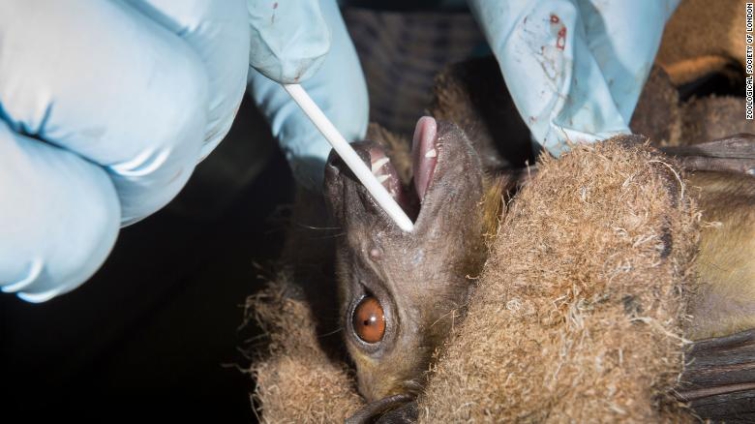
The issue of bats came up to as why they are always called into question in any outbreak.
Dr Hoek explained that bats are subject because they live in huge colony.
"Because they live in large population pathogens have a lot of opportunities to infect bats," he said.
Dr Maarten Hoek is also a risk analyst, medical consultant in public health and a non-executive director at Madaktari Africa, a non-profit organization working to educate and train health care workers in Sub-Saharan Africa.
He has worked on health strengthening projects in Africa for eight years.
Latest Stories
-
Women farmers need tailored pensions – Zanetor
1 minute -
MP, MCE provide street bulbs and solar panels to lighten Evaloe Adjomoro-Gwira constituency
2 minutes -
ECG upgrades infrastructure, assures reliable, stable power supply
4 minutes -
Aggrieved cocoa farmers urge Parliament intervention
9 minutes -
Ghana launches first maternal mental health policy
12 minutes -
Mahama issues three calls to action at One Health Summit
18 minutes -
KNUST secures $2.3m funding for research activities
22 minutes -
Ayigboe residents fear disaster as ECG delays repairs on live faulty cables
27 minutes -
PIAC urges investment as oil production falls
30 minutes -
Heath Goldfields seals $2.8bn Trafigura deal to revive Bogoso-Prestea
54 minutes -
Trump says US military to stay around Iran; threatens action if Tehran fails to comply with deal
1 hour -
Only 6% insured locally – Prof. Gyampo exposes cracks in import regime
1 hour -
Thousands of containers lost at sea – GSA’s Prof Gyampo warns importers are exposed to risk
2 hours -
Keep the money in Ghana – Gov’t enforces local cargo insurance
2 hours -
US Army veteran charged with leaking classified information to journalist
2 hours