

Audio By Carbonatix
The government of the United States of America says that although it is open to receiving requests for the extradition of Ghanaian fugitives from American soil, the process may not be “quick."
Chargé d'Affaires at the U.S. Embassy in Accra, Rolf Olson, who was speaking at a media roundtable conversation with visiting Deputy Assistant Secretary for West Africa in the U.S. Department of State’s Bureau of African Affairs William B. Stevens, noted that the U.S has established processes and protocols that will be activated in the event of any request for the extradition of any person of interest for Ghanaian law enforcement agencies.
His comments come in the wake of questions over why the Special Prosecutor, Kissi Agyebeng, is yet to successfully secure the extradition of former Finance Minister Ken Ofori-Atta, who has been on his wanted list since the beginning of the year.
At the start of his trial in absentia Thursday, December 11, following the filing of a 78-count indictment alleging corruption and financial loss to the state, the OSP told the courts that while some of the accused, including Mr Ofori-Atta, are currently outside Ghana and have cited health reasons for their absence, it has applied appropriate legal mechanisms, including summons and cooperation with international law enforcement where applicable, to ensure appearances as required by law.
As of Monday, December 8, 2025, more than 3,100 people had signed a public petition addressed to the US Embassy in Accra demanding the extradition of former Finance Minister Ken Ofori-Atta.
US-based Ghanaian Professor Stephen Kwaku Asare, also known as Kwaku Azar, started the petition on December 2, asking American authorities to work with the Ghanaian government to help extradite Mr. Ofori-Atta, who has been officially charged with economic crimes and corruption-related offences.
It requests that the Embassy help confirm Mr. Ofori-Atta's location, encourage cooperation between Ghanaian and US authorities, and speed up the processing of any official extradition request.
However, commenting on whether or not the American government was willing to cooperate with local authorities to trigger any process in the US, Rolf Olson explained that processes for evaluating an extradition request on the American side are “very well-established and it is generally not very quick.”
He added that if the US receives a request, it goes through the various mechanisms. “But the door is always open to requests. There is no individual case that can be prejudged because US judges make the decisions, so they have the ability to approve or disapprove a request."
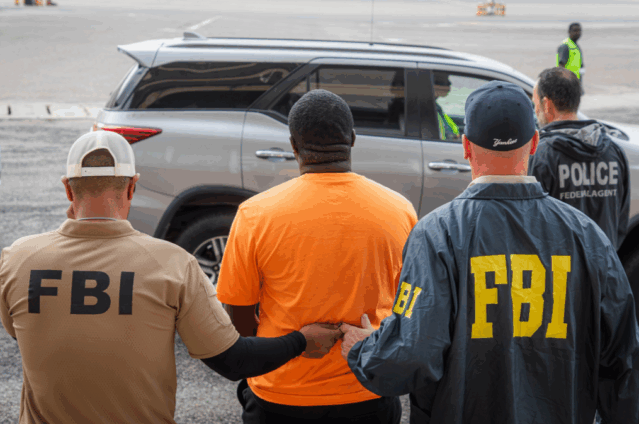
So far this year, American law enforcement agencies have extradited nine Ghanaians, with the majority of the cases linked to romance scams—an activity that has emerged as a dominant form of transnational crime in the West African sub-region.
Latest Stories
-
Health Ministry engages Ga Mantse ahead of Free Primary Healthcare launch
2 minutes -
We can tackle multiple priorities – Sam George defends Anti-LGBTQ Bill push
37 minutes -
Statement: Ghana Chamber of Mines’ Response to Claims in Joe Jackson’s “Ananse Stories about the Economy of Ghana”
38 minutes -
GES opens 2026 teacher recruitment for licensed B.Ed graduates
40 minutes -
Ghana must value skilled trades, build resilient learners — Ibn Chambas
49 minutes -
Ghana must rethink education around relevance, resilience and responsibility — Ibn Chambas
51 minutes -
Prince Harry faces defamation lawsuit from charity he co-founded
53 minutes -
South Korea deploys thermal cameras to track escaped zoo wolf
55 minutes -
Calls for royal meeting with Epstein survivors grow ahead of US visit
58 minutes -
Ibn Chambas advocates blend of technology and human values in education
60 minutes -
UMA improves healthcare access in Asutifi North with GH₵700k ‘Kim Taylor Legacy’ Walkway
1 hour -
Scholarships Authority and Fanaka University offer sponsorship for procurement and supply chain studies
1 hour -
Bisa Kdei drops new single ‘Go N Look’ featuring Medikal
1 hour -
Benin facing rising terrorism in north as French military presence faces growing criticism
1 hour -
UEW Public Lecture Series 2026: Education debate ‘about the soul of Ghana’s future’ — Dr Ibn Chambas
1 hour