

Audio By Carbonatix
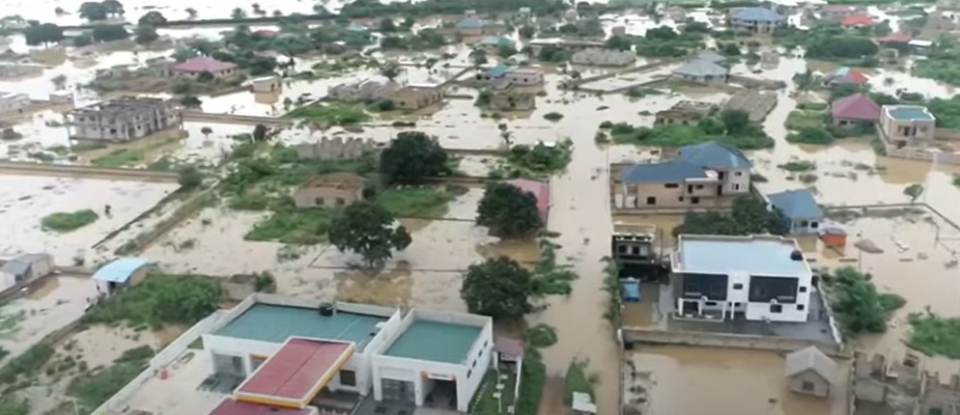
As weekly cholera cases in the affected African countries decline, heavy flooding due to seasonal rains and tropical cyclones in southern Africa are raising the risk of the disease spreading and threatening to undermine outbreak control efforts.
New cholera cases fell to 2,880 in the week ending on 26 February, a 37% decline compared with the week before when 4,584 cases were recorded. Deaths remained nearly unchanged, declining marginally from 82 to 81 in the same period. Twelve African countries are currently reporting cases, with South Africa, Tanzania and Zimbabwe the latest to detect cholera.
In southern Africa, cholera outbreaks are occurring amid seasonal rains and tropical storms that have caused heavy flooding. In Malawi, which is experiencing its worst-ever cholera outbreak, increased rainfall is slowing outbreak control efforts in some areas, with response teams facing difficulty reaching people in need of assistance due to inaccessible roads and infrastructure damage. Some cholera treatment units have been flooded and there has been an increase in cases reported in some locations following the heavy rainfall.
In Mozambique, Tropical Storm Freddy, which made landfall on 24 February, has caused widespread infrastructure damage. More than 44 000 people have been affected, 55 health facilities damaged or destroyed and nearly 3500 km of road damaged, according to preliminary assessments. Mozambique is facing a cholera outbreak that has affected six of its 11 provinces. The country has seen a sharp increase in cases since December 2022 amid the ongoing rainy season. Cholera vaccination is currently taking place. Neighbouring South Africa and Zimbabwe have also reported flooding.
“Countries have stepped up cholera control measures and early indications are promising. However, the heavy flooding and cyclonic events in parts of southern Africa risk fuelling the spread of the disease,” said Dr Matshidiso Moeti, World Health Organization (WHO) Regional Director for Africa.
“We’re reinforcing our support to countries to increase disease detection capacity, providing medical supplies and stepping up readiness in regions at risk of flooding.”
In Madagascar, which last reported cholera in 2,000, recent cyclones, particularly Cyclone Cheneso that hit the country in January, have caused widespread flooding, some of which is subsiding slowly. The floods have led to an upsurge in malaria cases and increased the risk of cholera outbreaks. More than 470,000 people do not have access to health services after Tropical Cheneso destroyed at least 77 health facilities. In the aftermath of Tropical Cyclone Freddy that swept through the island on 21 February, more than 116 000 people have been affected and nearly 29,000 houses flooded or damaged in seven of the country’s 23 regions. Emergency preparedness and response is being stepped up.
To support cholera response, WHO has deployed 80 experts to the affected countries. Over the past two months, the Organization has shipped 455 tons of critical cholera supplies to Malawi and Mozambique. The supplies have also been delivered to Burundi, the Democratic Republic of the Congo, Ghana, Kenya and Zambia to bolster outbreak preparedness and response.
While cholera is highly virulent and can be deadly, the disease is easy to treat. Most people can be treated successfully through prompt administration of oral rehydration solution or intravenous fluids. Sustainable and effective cholera control requires comprehensive measures such as improved detection and response, access to treatment and vaccination, safe water and sanitation.
The ongoing cholera outbreaks in Africa are being exacerbated by extreme climatic events and conflicts that have increased vulnerabilities, as people are forced to flee their homes and grapple with precarious living conditions.
Dr Moeti spoke today at a press conference. She was joined by Professor Zely Arivelo Randriamanantany, Minister of Health, Madagascar. Also on hand from WHO Regional Office for Africa was Dr Thierno Balde, Regional COVID-19 Incident Manager; and Dr Patrick Otim, Health Emergency Officer, Acute Events Management Unit.
Latest Stories
-
Chisora beaten by Wilder in captivating bout
19 minutes -
One dead, six maimed as bloody land feud tears Krachi Nchumuru apart
43 minutes -
Missing service member rescued by US forces after jet downed in Iran, Trump announces
1 hour -
Gomoa Easter Carnival: Sarkodie, Kuami Eugene, Tinny, set festival ablaze as Day 3 ends on high note
2 hours -
“Feels amazing” – Antoine Semenyo reveals after Manchester City dismantle Liverpool
2 hours -
Mahama calls for emergency cabinet meeting over rising fuel prices
3 hours -
Asante Gold reports US$345million loss for 2025
4 hours -
Prof. Naana Jane Opoku-Agyemang provides update on Women’s Development Bank
4 hours -
‘It’s not easy’ – Mother of late Dr Omane Boamah breaks silence
4 hours -
Gov’t making progress in clearing $1.7bn power debt – Mahama
4 hours -
Justice is the engine of growth – Chief Justice
5 hours -
Meet us halfway – Trade Minister tasks private sector with AfCFTA success
6 hours -
After more than 14 years at Atletico Madrid, what next for Simeone?
6 hours -
Conquering the World – Building on the foundations laid by Otto Addo
6 hours -
[Playback] Sarkodie, Kwami Eugene, Tinny, Keche and others thrill fans at Gomoa Easter Carnival
6 hours