

Audio By Carbonatix
Private business associations operating in Ghana’s forestry sector have formed a united front to address common challenges while pursuing a sustainable operational model.
The Forest Industries Association of Ghana (FIAG) is formed as a not-for-profit conglomerate of 11 trade and business associations operating in the private sector of forestry in Ghana.
President of the Association, Richard Nsenkyire, says priority areas include “ensuring sustainability by promoting the adoption of circular economy and green economy principles in our business practices. For instance, some processing companies are retooling to be able to use more of their residues. Others are also supplying their residues to others for further processing”.
The goal of FIAG is to enhance corporate performance, have a common voice on concerns and forge a strong entity to continue contributing to the socio-economic development of Ghana.
“The individual firms collectively employ over 300,000 in the business areas of plantation development, logging, milling, manufacturing, haulage and equipment services, sales and marketing; and capacity building,” said Richard.
Indirectly, the businesses lubricate many links of the forest products supply-chain by consuming products from other members to keep the conveyor belt moving.
“The sector is also a major consumer of electricity, fuel, plant and machine accessories, with other players in the economy depending on them for their businesses to survive,” observed Richard Nsenkyire.
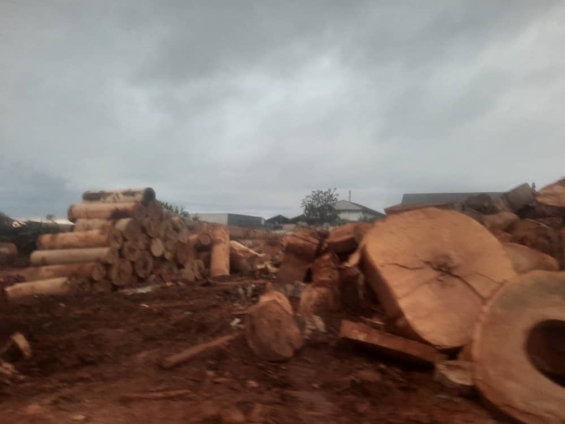
However, the industry is faced with the challenge of diminishing raw material supply from forest reserves which have gone down from 1million m3 to 500,000 m3.
Other challenges include the dwindling log production in off-reserve areas to unsustainable levels due to inadequate incentives for farmers to retain timber trees on their farms as well as the degradation of the resource base due to destruction by illegal mining, illegal farmers and illegal mining.
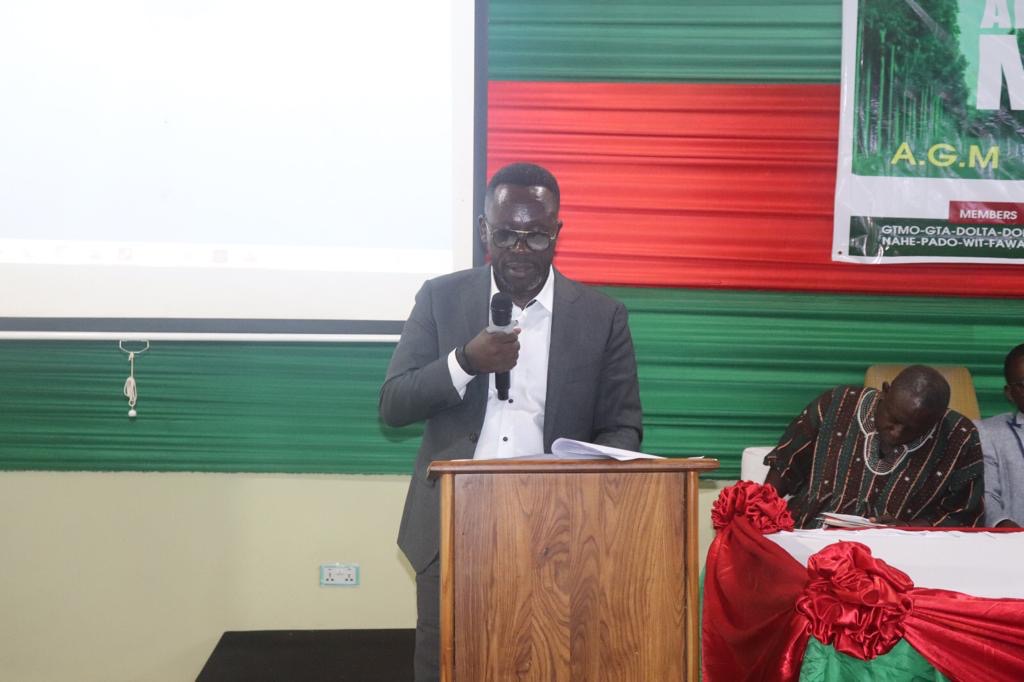
Chief Executive Officer of the FIAG, Dr. Kwame Asamoah Adam, says opportunities in the sector will be explored through the Association’s green economic models.
“The transition to a green economy business model is necessary for companies to achieve sustainable development targets. This virtuous circle encourages resource and energy efficiency and promotes sustainable production, enabling the use of environmentally friendly technologies, processes, and products,” he said.
Latest Stories
-
Philanthropist Alhaji FuZak donates Da’wah bus to Ambariya Sunni community
3 minutes -
GUTA calls for suspension of Publican AI system over trade disruptions, demands temporary halt in import activities
6 minutes -
TTAG raises alarm over proposed recruitment of 7,000 teachers, demands national posting roadmap
39 minutes -
Civilians feared killed after reports of air strike on Nigerian market
48 minutes -
Bishop Simon Kofi Appiah installed as new Jasikan Diocese Bishop
49 minutes -
Trump’s Strait of Hormuz blockade threat raises risks and leaves predicaments unchanged
52 minutes -
US Court backs extradiction of former MASLOC CEO Sedina Tamakloe-Attionu’s to Ghana
1 hour -
Seven arrested as NAIMOS dismantles illegal mining camp, seizes firearms at Boin River
1 hour -
Fire erupts at Madina Ritz Junction, destroys multiple wooden structures and containers
1 hour -
Daniel-Kofi Kyereh returns from long-term injury, registers assist for Freiburg U23
2 hours -
Knifeman calling himself ‘Lucifer’ slashes three at NYC’s Grand Central
2 hours -
Brands are built from within to without
2 hours -
Matriculants urged to pursue excellence as gov’t reaffirms support for Maritime education
2 hours -
See the areas that will be affected by ECG’s planned maintenance on Monday, April 13, 2026
2 hours -
GPL 2025/26: Salim Adams double fires Medeama back to summit after Kotoko rout
2 hours