

Audio By Carbonatix
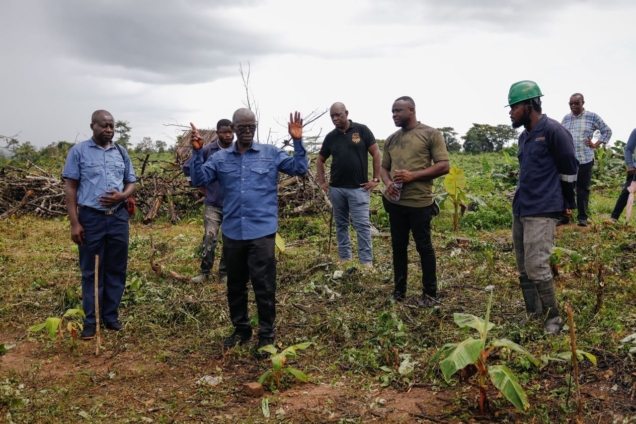
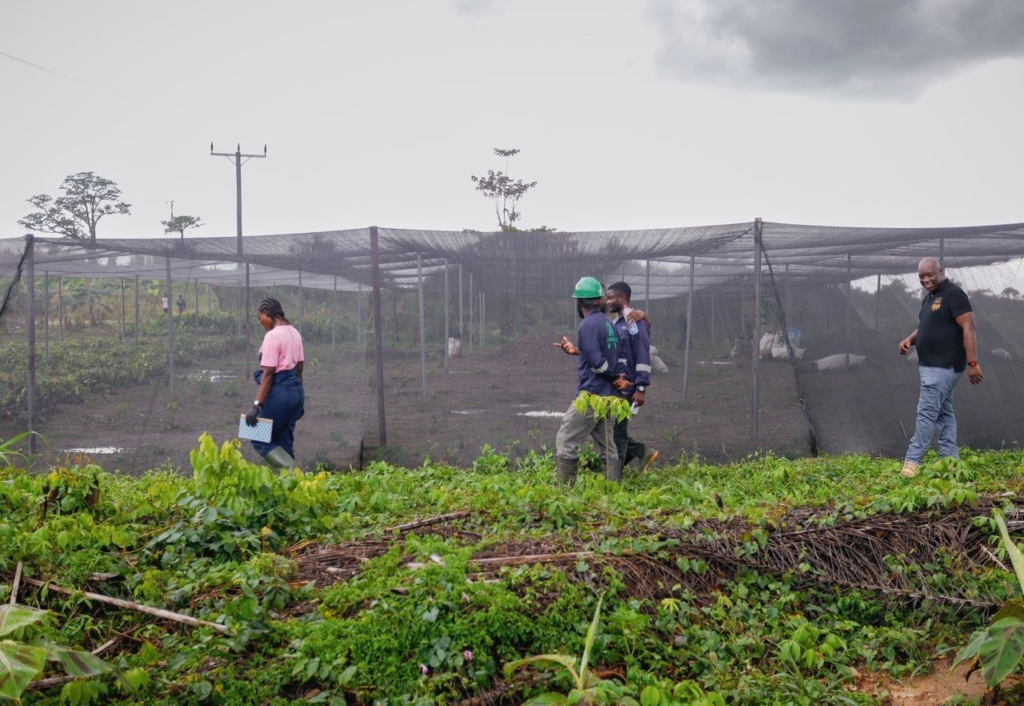
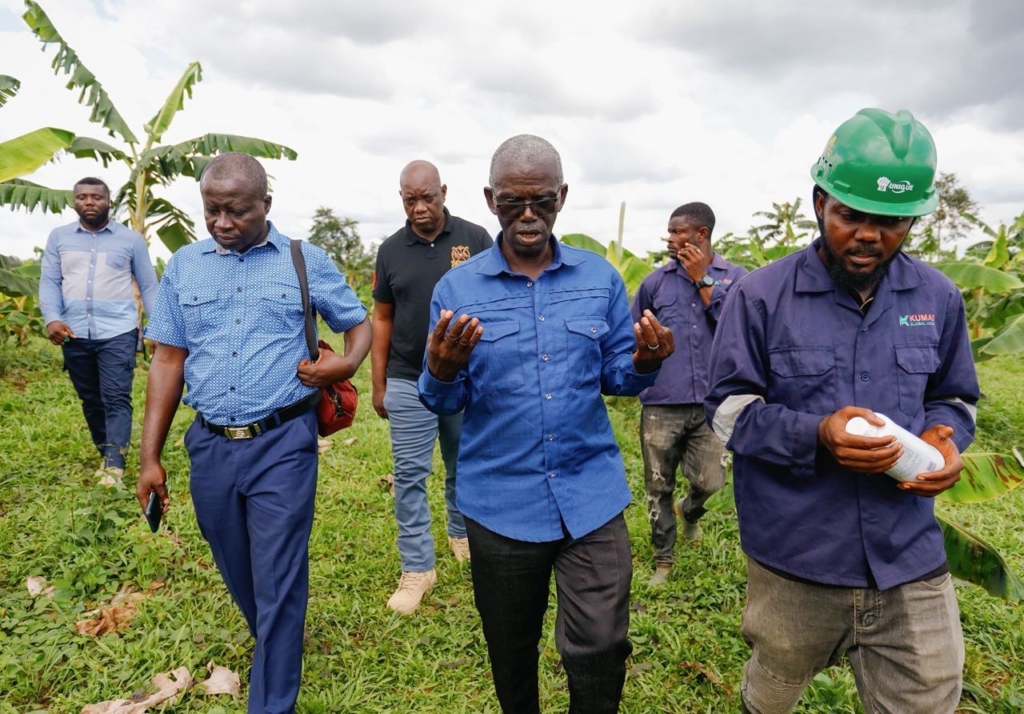
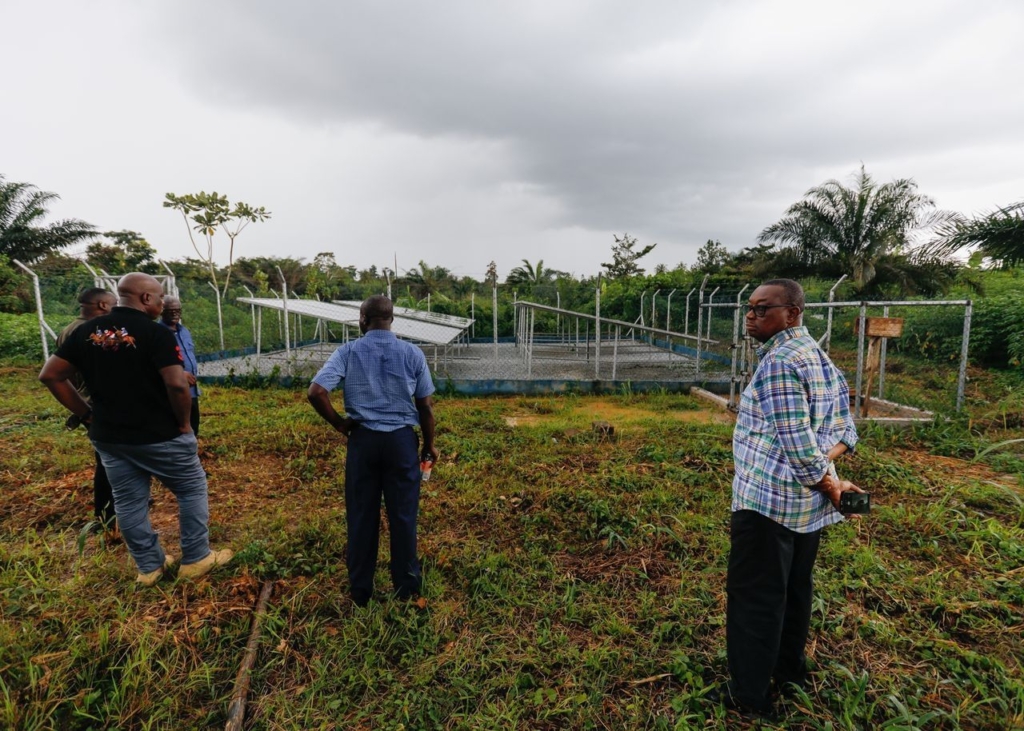
Cocoa seedlings require a lot of attention. That’s what farm manager Alex recently confirmed when I visited the farm he has nurtured close to Mankessim in the Central Region to introduce the water retainer, a premium soil conditioner. He walked me through the young plants — explaining shade control, watering discipline, soil nutrition and pest management.
“Sir, if you neglect them at this stage,” he said, “you lose the future harvest.”
It struck me that cocoa policy is no different from cocoa seedlings.
It requires careful nurturing.
Government, led by the Hon. Cassiel Ato Forson, has announced that from the 2026/2027 season, 50% of Ghana’s cocoa beans must be processed locally, alongside reviving PBC and CPC.
On paper, this is bold. Ghana remains the world’s second-largest cocoa producer after Côte d’Ivoire. For decades, we have exported raw beans and imported finished chocolate at a premium.
Value addition at home is the right ambition.
But like seedlings, policy must survive real conditions.
Processing 50% locally works only if three realities align.
First, processors must buy beans at competitive prices. Otherwise, we may as well just sell the beans to other willing buyers. Yet if they purchase at high domestic prices but sell into competitive global markets, margins shrink and factories struggle. So at what price do we sell the beans to processors? And at what price will we sell the processed cocoa?
Second, global buyers must prefer Ghana’s processed cocoa — even if it costs more — over simply buying cheaper raw beans from other producing countries. Nations like Nigeria, Cameroon, Ecuador and Indonesia produce cocoa, in some cases at lower cost. Multinationals optimise for price, logistics and efficiency — not patriotism.
If it is cheaper for a European or Asian manufacturer to import raw beans elsewhere and process them at home, our processing journey suddenly becomes commercially fragile.
Third, will the government act as market maker? Will it secure structured offtake agreements for processed cocoa same as it does for the beans? and will it support export marketing and provide working capital guarantees to processors?
Processing is not transformation unless it is profitable and globally competitive.
Alex’s seedlings reminded me: growth requires consistent care, discipline and market awareness.
If we nurture this policy with pricing realism, productivity improvements and global market alignment, Ghana will move from beans to bars sustainably and successfully.
Bold policy is good.
Sustained competitiveness is even better.
Latest Stories
-
Trump lashes out at Supreme Court justices over tariffs ruling
47 minutes -
Refrain from mass marketing or public promotional campaigns on virtual assets – BoG to VASPs
2 hours -
Government bans land transit of cooking oil; orders crackdown on customs complicity
2 hours -
NPA engages industry stakeholders on 24-hour economy pilot in petroleum sector
3 hours -
Ablakwa outlines key bilateral agreements with Burkina Faso to boost trade, security and border cooperation
3 hours -
Ghana, Burkina Faso deepen security ties after terrorists kill 8 Ghanaians in Titao
3 hours -
Luv FM launches 7th edition of Primary Schools Quiz; pupils urged to embrace Ghanaian culture
4 hours -
Nollywood star Michael Dappa stuns fans with big chop ahead of new film role
4 hours -
NPA slams gas ‘shortage’ rumours; assures over one month’s cover
4 hours -
BoG, SEC order the removal of all crypto billboards within 48 hours
5 hours -
Majority Leader fires back at Sefwi protesters
6 hours -
New Horizon Fun Games: Vice President calls for stronger national commitment to inclusion
6 hours -
Prof. Amoah warns Africa against becoming China’s ‘Dumping Ground’
7 hours -
President Mahama commissions B5 Plus Steel Ball Mill and Manufacturing Plant to ignite industrial revolution
7 hours -
Fighters demand amnesty for cannabis convicts following massive policy shift
8 hours