

Audio By Carbonatix
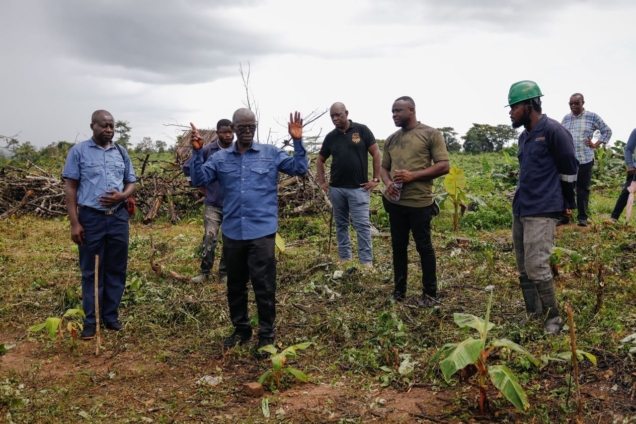
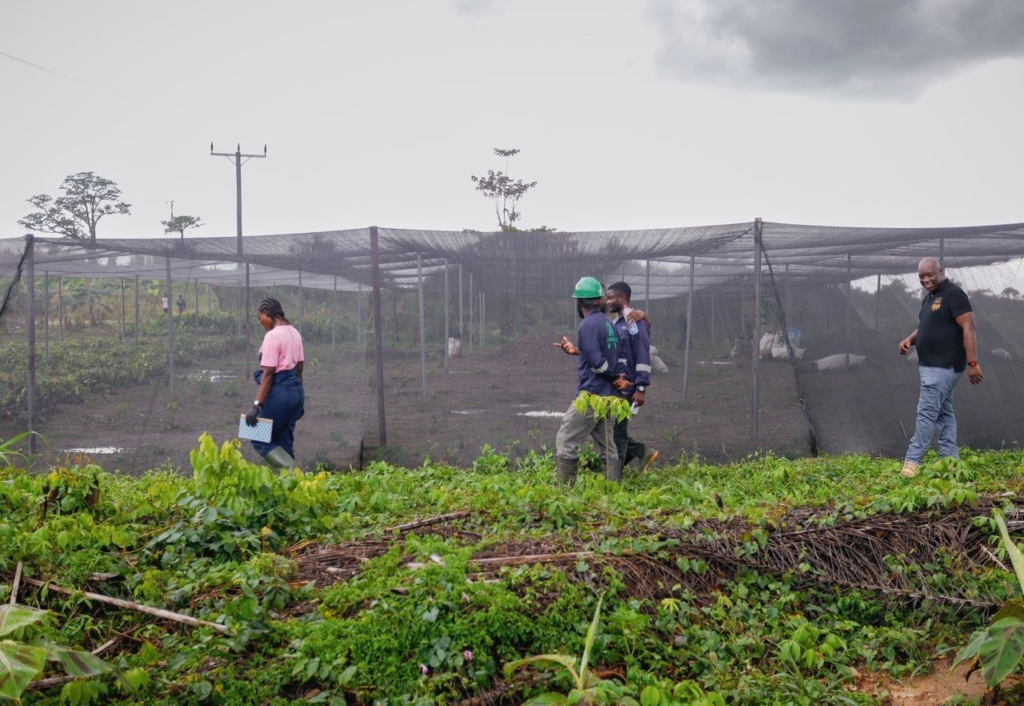
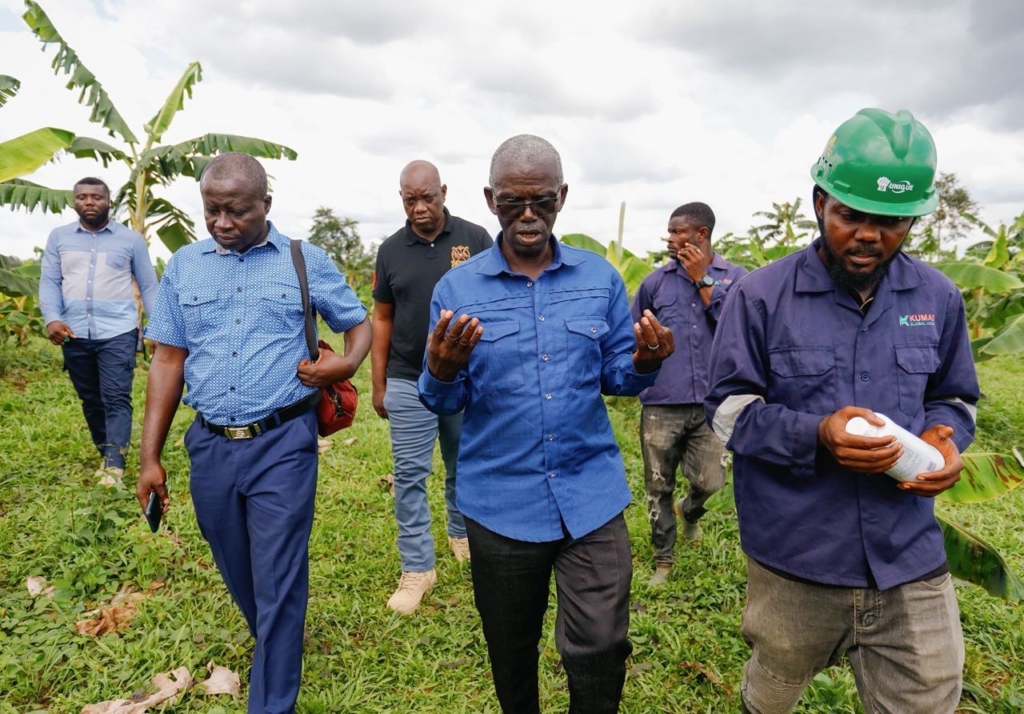
Cocoa seedlings require a lot of attention. That’s what farm manager Alex recently confirmed when I visited the farm he has nurtured close to Mankessim in the Central Region to introduce the water retainer, a premium soil conditioner. He walked me through the young plants — explaining shade control, watering discipline, soil nutrition and pest management.
“Sir, if you neglect them at this stage,” he said, “you lose the future harvest.”
It struck me that cocoa policy is no different from cocoa seedlings.
It requires careful nurturing.
Government, led by the Hon. Cassiel Ato Forson, has announced that from the 2026/2027 season, 50% of Ghana’s cocoa beans must be processed locally, alongside reviving PBC and CPC.
On paper, this is bold. Ghana remains the world’s second-largest cocoa producer after Côte d’Ivoire. For decades, we have exported raw beans and imported finished chocolate at a premium.
Value addition at home is the right ambition.
But like seedlings, policy must survive real conditions.
Processing 50% locally works only if three realities align.
First, processors must buy beans at competitive prices. Otherwise, we may as well just sell the beans to other willing buyers. Yet if they purchase at high domestic prices but sell into competitive global markets, margins shrink and factories struggle. So at what price do we sell the beans to processors? And at what price will we sell the processed cocoa?
Second, global buyers must prefer Ghana’s processed cocoa — even if it costs more — over simply buying cheaper raw beans from other producing countries. Nations like Nigeria, Cameroon, Ecuador and Indonesia produce cocoa, in some cases at lower cost. Multinationals optimise for price, logistics and efficiency — not patriotism.
If it is cheaper for a European or Asian manufacturer to import raw beans elsewhere and process them at home, our processing journey suddenly becomes commercially fragile.
Third, will the government act as market maker? Will it secure structured offtake agreements for processed cocoa same as it does for the beans? and will it support export marketing and provide working capital guarantees to processors?
Processing is not transformation unless it is profitable and globally competitive.
Alex’s seedlings reminded me: growth requires consistent care, discipline and market awareness.
If we nurture this policy with pricing realism, productivity improvements and global market alignment, Ghana will move from beans to bars sustainably and successfully.
Bold policy is good.
Sustained competitiveness is even better.
Latest Stories
-
Gomoa Easter Carnival: Edem Agbana and Joy Prime fans shower festival with endorsements as masquerades and ‘street anthems’ ignite Day 3
2 hours -
Gov’t to overhaul free zones into manufacturing hubs for local production – Trade Minister
3 hours -
Ghana losing $2.5bn yearly from raw exports – Trade Minister reveals
3 hours -
President Mahama unveils plans for Kwahu Airport, Convention Centre
4 hours -
World’s oldest leader, Paul Biya to get a deputy for first time in 43-year rule
4 hours -
Search for missing US airman continues as Trump threatens ‘hell’ if Iran does not reach deal
4 hours -
US says it has arrested relatives of late Iranian general Qasem Soleimani
4 hours -
La Liga: Real Madrid’s title hopes hang in the balance as Mallorca snatch stoppage-time winner
4 hours -
FA Cup: Haaland hat-trick powers Man City past Liverpool into semi-finals
4 hours -
FA Cup: Chelsea thrash Port Vale to reach Wembley semi-final
4 hours -
Gov’t to boost tourism in coastal communities through infrastructure, sanitation – Vice President
4 hours -
Universities management urged to involve alumni in curricula development, career guidance to reduce unemployment after school
5 hours -
Vice President Opoku-Agyemang enstooled as Development Queen of Kedzi
5 hours -
Globen School @30: From humble beginnings to a hub of innovation and excellence
5 hours -
Children’s health and happiness take centre stage at 2026 Giggle Fun Fest in Peki Avetile
5 hours