

Audio By Carbonatix
A beekeeping organisation, Bee for Development Ghana (BfDG) has revealed the negative effects of illegal mining on the honey industry.
According to the group, the chemicals used for galamsey can affect the quality of honey produced.
In a statement dated September 23, 2024, BfDG explained that the chemicals used for mining are toxic to the ecosystem of which the bees are a part.
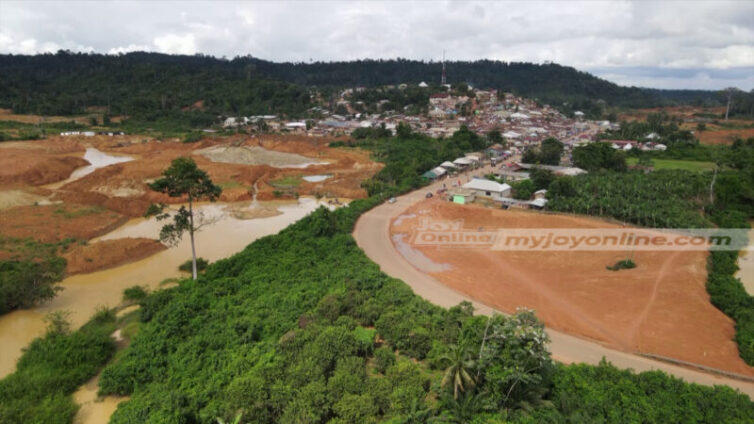
It said that illegal mining activities are destroying the forests which are apiary sites where bees thrive therefore bees are unable to produce honey like they used to.
“Toxic substances from illegal mining can contaminate the ecosystem and may affect beekeeping. Degradation of the environment reduces apiary sites, and forage available for bees, leading to fewer and weaker colonies and lower honey yields. This directly affects beekeepers’ ability to produce and sell honey and other hive products, threatening the livelihood of beekeepers."
"The honey industry, especially in areas like the Kwahu Afram Plains where beekeeping is an emerging economic activity, could see severe economic setbacks. As honey production decreases and trade opportunities shrink, both domestic and export markets will decline.”
In the statement, BfDG also mentioned that the activities of illegal miners have become a major setback to some of the projects undertaken by them to ensure environmental sustainability.
It highlighted that the Beekeepers Restore the Forest of Afram Plains has faced significant challenges due to illegal mining.
“Our projects in the country such as “Beekeepers Restore the Forest of Afram Plains” face setbacks due to illegal mining. We are aware of pending or potential mining activities in the heart of Kwahu Afram Plains as various companies are in the area for gold and oil exploration. These activities reverse conservation gains, threatening both biodiversity and community resilience, ” the statement said.
The statement also cited other negative effects of galamsey on the economy since it can lead to the loss of jobs of beekeepers.
“Farmers, particularly those engaged in agroforestry and beekeeping, suffer as illegal mining activities reduce the availability of arable lands and healthy ecosystems necessary for beekeeping and crop production. This leads to reduced crop yields and diminished income. Beekeeping has emerged as a viable and sustainable livelihood activity, particularly for communities in forested areas.”
The organisation therefore called on the government to help curb the menace and ensure that the environment is sustained.
“Restoring ecosystems damaged by galamsey is critical for safeguarding biodiversity and livelihoods of local communities and ensuring a sustainable future. BfDG advocates more sustainable land use practices, such as beekeeping, that protect biodiversity and the environment while providing income for local communities.”
Latest Stories
-
Berekum Chelsea edge Aduana FC in Bono derby to boost survival hopes
3 hours -
‘They can’t control the team’ – Ernest Thompson doubts local coaches for Black Stars role
3 hours -
Ghana-born midfielder Seidu realises ‘dream’ with Atlético Madrid debut
4 hours -
GPL 2025/26: Bubakari strikes late to hand All Blacks vital win over Dreams FC
4 hours -
Fatal crash on Kintampo–Tamale highway claims four lives
4 hours -
2025–26 FA Cup Semifinal Draw: Chelsea, Man City Learn Wembley Opponents
4 hours -
GPL 25/26: Gold Stars back on top after beating Nations FC
5 hours -
GPL 2025/26: Heart of Lions roar back with victory over Vision FC in Kpando
5 hours -
Solomon Agbasi: Hearts keeper in stable condition after concussion
5 hours -
GPL 2025/26: Late Salim Adams penalty earns Medeama draw at Bechem
6 hours -
Hearts pip Young Apostles 1-0 to end 5-game winless run
6 hours -
Boakye Agyarko marks Easter Sunday with a call for Godly leadership ahead of nationwide campaign tour
7 hours -
Pepsi withdraws as UK festival sponsor after Kanye West backlash
7 hours -
Pope Leo calls for global leaders to choose peace in his first Easter Mass
7 hours -
Kpando MP highlights progress on road projects
7 hours