

Audio By Carbonatix
In the heart of the Greater Accra Region, within the pediatric unit of the physiotherapy department of a government hospital (name withheld), I, as a physiotherapist, participated in a silent yet profound struggle that unfolded as mothers entered with their newborns, a mix of despair and hope etched on
their faces.
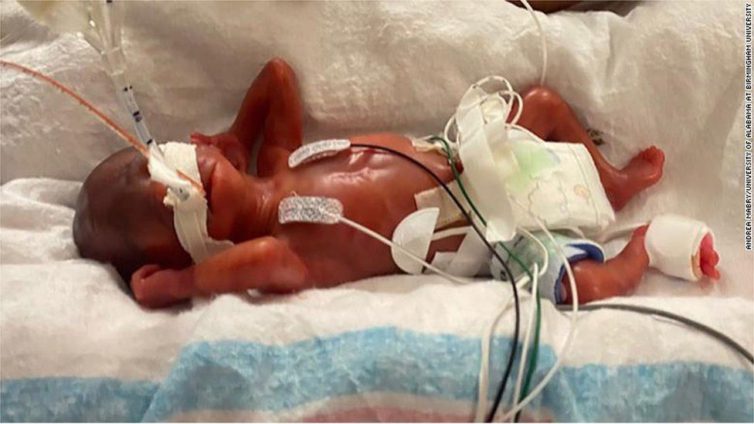
These infants, born prematurely, faced a challenging journey marked by physical obstacles and developmental delays that led them to the doors of the physiotherapy department.
Many of these mothers, referred by dedicated doctors, midwives, or attending nurses from antenatal
units, had been attending physiotherapy sessions for months, seeking to rectify conditions affecting
their newborns. The infants grappled with weakness in their necks, arms, trunks, or legs, rendering them
unable to move as typical newborns do, facing difficulties in responding to external stimuli. Their
"crime"? Being born preterm, before the standard 38-40 weeks of pregnancy.
A preterm birth, occurring before the due date, places both the baby and the mother at risk. Premature
infants, born at around 37 weeks of pregnancy or earlier, encounter a higher likelihood of health
problems compared to those born closer to their due dates. Various factors contribute to preterm delivery, with the mother's health playing a pivotal role. Conditions such as high blood pressure,
diabetes, infections during pregnancy, or unhealthy lifestyles like smoking, alcohol consumption, or
stress increase the risk of preterm birth. Age, genetics, multiple births, and insufficient time between pregnancies are additional factors that elevate the chances of premature delivery.
Sometimes, complications such as bleeding necessitate early induction of labor or cesarean section delivery. Intriguingly, preterm delivery often occurs spontaneously, devoid of clear links to these factors.
The premature birth poses challenges as the systems of both the mother and the baby are unprepared.
The baby's organs are not fully formed, inviting potential complications that could affect the brain,
heart, lungs, blood, or intestines.
Premature babies face a range of challenges, including breathing problems, feeding difficulties, cerebral
palsy, developmental delays, vision and hearing problems, and retardation. The mothers, too,
experience their own set of difficulties, including anxiety, postpartum depression, post-traumatic stress
disorder, and challenges in bonding with their infants.
Physiotherapy emerges as a beacon of hope in this challenging journey. The physiotherapy treatment
regime, including stretching, strengthening, and balance training, are integral in the transformation of
these infants. Physiotherapists tirelessly work towards enhancing sitting, standing, and walking quality,
refining fine and gross motor skills, and guiding these infants to achieve developmental milestones.
Importantly, the impact of physiotherapy extends beyond the hospital, as education and advice are
provided to parents and teachers, empowering them to continue essential supportive care at home.
In a world where premature birth brings uncertainties, physiotherapy stands as a steadfast pillar of
support, offering healing, progress, and hope for both premature infants and their mothers. The
collaborative efforts of healthcare professionals and parents contribute to the well-being and development of these newborns and their mothers, ensuring a brighter future despite their challenging
start in life.
As a witness to this journey, I am deeply honored to have played a role in nurturing the resilience of
these remarkable premature infants and supporting their courageous mothers as they tread the path
towards hope and healing.
Geetha Opata, PT, MGPA, is a physiotherapist and a health writer, trained to rehabilitate persons with
neurological, pediatric, musculoskeletal, respiratory and cardiovascular conditions as well as sports injuries. She is also trained to rehabilitate persons suffering from vertigo or dizziness through vestibular rehabilitation.
She has a special interest in promoting preventive measures in sustaining physical health.
Email: geethaopata@yahoo.com
Latest Stories
-
AU flatly rejects Somaliland bid, reaffirms Somalia’s unity
1 hour -
Mali rally to claim draw against AFCON host Morocco
2 hours -
Man City players ‘incredibly disciplined’ – Guardiola
2 hours -
How to get rid of unwanted Christmas presents – without being found out
2 hours -
Zelensky plans to meet Trump on Sunday for talks on ending Russian war
2 hours -
Thousands of US flights disrupted as winter storm looms
2 hours -
US judge blocks detention of British social media campaigner
2 hours -
Gun Amnesty: Greater Accra leads in weapons surrendered
3 hours -
Dave Bishop outlines vision as he seeks Ghana Boxing Federation executive board position
3 hours -
Former Ivory Coast coach Gasset dies
4 hours -
An Open Letter to the Deputy Attorney General, Dr Justice Srem-Sai
4 hours -
Humour at its finest at Kumasi Comedy Show
4 hours -
Police Christmas special operation: 101 suspects arrested in Greater Accra
5 hours -
15 arrested after sporadic shooting at Ho central mosque
5 hours -
GES condemns alleged theft of food supplies at Awaso STEM SHS
5 hours