

Audio By Carbonatix
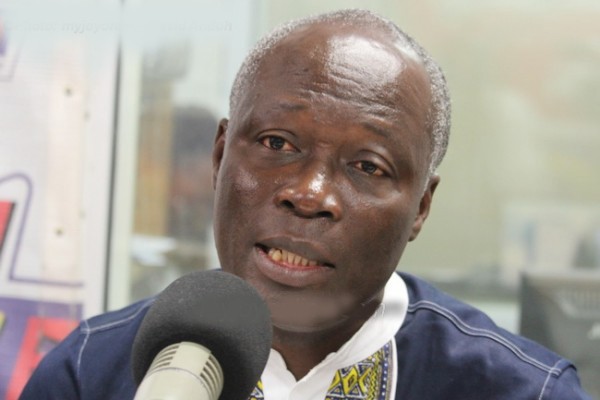
The National Coordinator of the District Road Improvement Programme (DRIP), Nii Lantey Vanderpuye, has appealed to Ghanaians to support the newly introduced GH¢1 fuel levy, cautioning that failure to implement the measure could result in a drastic 50% hike in electricity tariffs.
He made these remarks on Thursday, June 5, during an interview on Channel One TV, where he described the levy as a strategic intervention to safeguard the country’s energy stability.
According to Mr Vanderpuye, the fuel levy is a proactive step by the government to avoid passing the full financial burden of the energy crisis onto consumers through higher electricity bills.
“This levy is meant to resolve a problem we have created ourselves. Realistically, if we do not act now, we are looking at paying 50% more for electricity. It’s a matter of choosing between contributing one cedi now or bearing a far greater cost later,” he stated.
The GH¢1 charge, introduced under the Energy Sector Levy (Amendment) Bill, 2025, was approved by Parliament on June 3. It imposes a GH¢1-per-litre levy on petroleum products, with the government aiming to mobilise approximately GH¢5.7 billion.
The funds are intended to help clear ballooning debts in the energy sector and ensure the continued purchase of fuel for the country’s thermal power generation.
Finance Minister Dr Cassiel Ato Forson disclosed that the energy sector currently faces a staggering $3.1 billion debt, with a further $3.7 billion needed to settle outstanding obligations.
Additionally, an estimated $1.2 billion will be required to procure fuel for the 2025 financial year. These figures underscore the urgency of the government’s fundraising efforts.
Mr Vanderpuye insisted that the intention behind the fuel levy is not to unduly burden citizens but to stave off a possible return of erratic power supply—commonly known in Ghana as dumsor.
“It is either tariffs or taxes. We believe introducing this tax is the better option to ensure stable electricity without increasing tariffs,” he concluded, urging Ghanaians to consider the broader benefits of energy security.
Latest Stories
-
Full text: Deputy Finance Minister delivers A-G’s report on 2024 arrears and payables
27 minutes -
Audit uncovers GH¢159m ‘ghost’ teacher trainee arrears
39 minutes -
Societe Generale Ghana records resilient performance amid macroeconomic resetting
54 minutes -
NaCCA applauds GPA at 50, stresses importance of books in education and national identity
55 minutes -
Grain scandal: Finance Ministry alarmed by GH¢61.7m ‘ghost transport’ payout in 2024
55 minutes -
ACPSEA launched to strengthen Africa’s peace and security architecture
57 minutes -
Tema port dredging to reduce delays for cement manufacturers – Deputy Trade Minister
60 minutes -
Mother allegedly assaults 12-year-old daughter over plantain sale in Abrabra
1 hour -
Proposed mining royalty regime could cost Ghana nearly one million jobs – Patrick Boamah
1 hour -
Gov’t blocks GH¢4.4bn in fraudulent recycled contract claims – Deputy Finance Minister
1 hour -
Transport, Fisheries Ministries vow to operationlise James Town Harbour after years of neglect
1 hour -
Auditor-General’s Report: Deputy Finance Minister flags missing rice, GH¢771m maize delivery shortfall
1 hour -
Auditor-General uncovers GH¢9.4m payment backed by forged documents – Deputy Finance Minister
1 hour -
Audit exposes massive ‘dry spell’ supply scandal; 10,000 tonnes of rice missing
1 hour -
35 contractors paid $7.9m under Agenda 111 failed to start work – Audit
1 hour