

Audio By Carbonatix
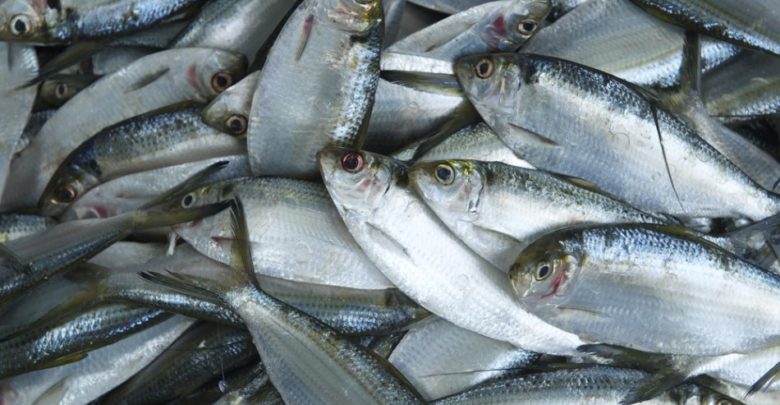
Many Ghanaians will experience hunger and malnutrition by 2030 due to an anticipated drop in national fish production, according to Professor Berchie Asiedu, Dean of the School of Natural Resources at the University of Energy and Natural Resources (UENR).
He revealed that the nation’s fish consumption is expected to reach 888,096 tonnes by 2030.
However, total fish production is anticipated to constitute only about 43 per cent of the total fish requirement.
“This clearly shows that demand for fish consumption is expected to outweigh the national supply,” Prof. Asiedu explained.
At the current growth rate, per capita fish consumption is predicted to decline from 28 kg in 2018 to 23.9 kg in 2030. Prof. Asiedu noted that while fish consumption would increase, people would be eating less fish.
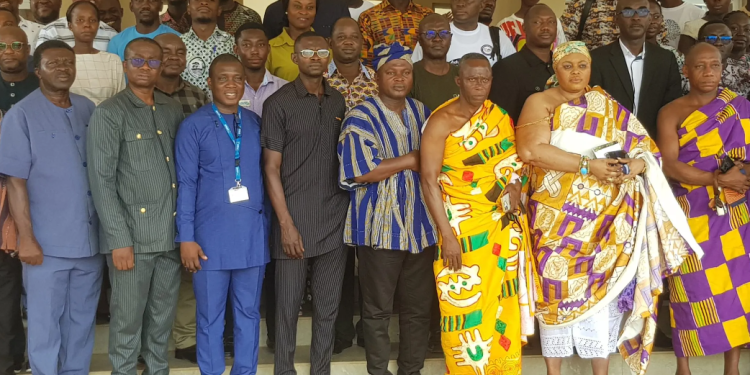
Prof. Asiedu made this known during a research update session organized by the School of Natural Resources in Sunyani, themed “Managing our Natural Resources: Academia-Industry Partnership for Sustainable National Development.” The session was attended by natural resources experts.
He emphasised that as the cheapest and most consumed animal protein (60 per cent) in the country, fish demand had increased rapidly over the past few years, growing from 960,000 tonnes in 2010 to 1.1 million tonnes in 2020.
During the same period, per capita fish consumption increased from 24.2 kg to 27.9 kg at a rate of 1.6 per cent per annum.
Given the gaps in production and consumption trends, Prof. Asiedu called for urgent policies to accelerate aquaculture development in the country.
He also highlighted the importance of improving fisheries management practices and exploring adaptive strategies to enhance the adaptive capacity of fishers to climate change.
In a later interview, Hanson Kodzo Dzamefe, Bono Regional Director of the Fisheries Commission, expressed concern about the nation’s over-reliance on marine fish and called for private-sector collaboration to develop the aquaculture sector.
He noted that aquaculture has huge potential for job creation and food security, stating that the inland fishing value chain could create millions of jobs if investments are made in the sector.
Mr Dzamefe encouraged unemployed youth and graduates to engage in commercial fish production, noting that aquaculture remains a lucrative business that can improve their livelihoods and contribute to national food security.
Latest Stories
-
Kwaku Azar writes: A-G vs OSP
27 minutes -
Mfantsipim–Adisadel rivalry built excellence, not division – Sam Jonah
52 minutes -
Vice President launches Mfantsipim’s 150 years of shaping Ghana’s greatest mind
1 hour -
I assure Otumfuo, Mahama will join him to commission KNUST Teaching Hospital by end of this year – Haruna Iddrisu
2 hours -
Barcelona dominate derby to extend La Liga lead
2 hours -
Gov’t to roll out free special education for persons with disabilities from July 1 – Education Minister
2 hours -
Importers and Exporters Association declares full support for Publican AI port system
2 hours -
“We used it to test our officiating officials’ readiness” – Bawah Fuseini after CAA Athletics event
3 hours -
Volleyball emerges as Ghana’s fastest rising sport
3 hours -
National Sports Fund needs strong leadership from the top – Administrator David Wuaku
3 hours -
JoySports Exclusive: Steve McLaren in talks with GFA after expressing interest in Black Stars job
3 hours -
Fire guts auto parts warehouse at Bubuashie, one fire officer injured
3 hours -
I owe my victory to coach Ofori Asare – Allotey after winning WBA Africa Gold Super Flyweight belt
3 hours -
Church of Pentecost supports over 2,000 BECE candidates in Obuasi with career guidance seminar
5 hours -
Brandon Asante and Coventry all but promoted to Premier League despite Sheffield Wednesday draw
5 hours