

Audio By Carbonatix
Ghana Health Service has expressed deep concern over the significant rise in cases of measles and rubella, which have surged by more than 100 per cent in the past two years in the Ashanti Region.
This alarming trend highlights a growing public health issue that officials are struggling to contain.
Despite intensified efforts by health officials to combat the spread of these diseases, the number of reported cases continues to escalate.
In 2021, only four cases of measles were recorded, but this figure jumped to 24 cases in 2022.
By 2023, the situation worsened further, with 79 reported cases, and the trend has not abated in 2024, which has already seen an alarming 119 cases.
Dr Fred Adomako Boateng, the incoming Director of the Ghana Health Service in the Ashanti Region, has attributed the surge in cases to gaps in vaccine administration.
His comments underline the critical role that immunization plays in preventing outbreaks of these preventable diseases.
“As the number of unvaccinated children rises, the likelihood of outbreaks is very high. And if you will bear with us, remember last year, some of the northside and even here, we started having a lot of measles cases. Measles-rubella’s complications are something that you cannot really pay for."
“And you never know who is going to be at risk and I believe that you don’t want your child to have to be blind or to be deaf. And this is the opportunity that you have that you can vaccinate your child against measles and rubella.”
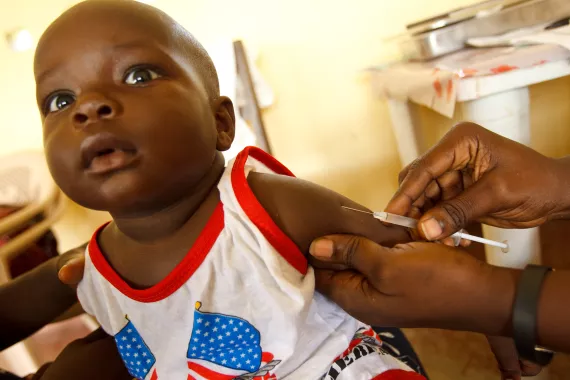
In response to this concerning situation, health authorities are launching a supplementary campaign for measles and rubella vaccination.
This initiative is scheduled to take place from October 2 to October 6, 2024, aiming to enhance vaccination coverage and protect vulnerable populations, particularly children.
The campaign seeks to address the vaccination gaps identified by health officials and curb the rising cases of measles and rubella in the region.
With the ongoing efforts to raise awareness and increase vaccination rates, health authorities hope to reverse the current trend and safeguard public health in the Ashanti Region.
Latest Stories
-
I assure Otumfuo, Mahama will join him to commission KNUST Teaching Hospital by end of this year – Haruna Iddrisu
25 minutes -
Gov’t to roll out free special education for persons with disabilities from July 1 – Education Minister
47 minutes -
“We used it to test our officiating officials’ readiness” – Bawah Fuseini after CAA Athletics event
1 hour -
Volleyball emerges as Ghana’s fastest rising sport
1 hour -
National Sports Fund needs strong leadership from the top – Administrator David Wuaku
2 hours -
JoySports Exclusive: Steve McLaren in talks with GFA after expressing interest in Black Stars job
2 hours -
Fire guts auto parts warehouse at Bubuashie, one fire officer injured
2 hours -
I owe my victory to coach Ofori Asare – Allotey after winning WBA Africa Gold Super Flyweight belt
2 hours -
Church of Pentecost supports over 2,000 BECE candidates in Obuasi with career guidance seminar
4 hours -
Brandon Asante and Coventry all but promoted to Premier League despite Sheffield Wednesday draw
4 hours -
GPL 2025/26: Late Kwartemaa strike downs Hearts in Tema
4 hours -
Ghana Faces Sierra Leone Moment as Prosecutorial Powers come under strain
4 hours -
Don’t consume fish or seafood from Tema Shipyard until further notice – FDA warns
4 hours -
Why volunteering might be Africa’s most underrated career accelerator
4 hours -
ActionAid Ghana raises concern over gender gaps in Feed Ghana Programme
4 hours