

Audio By Carbonatix
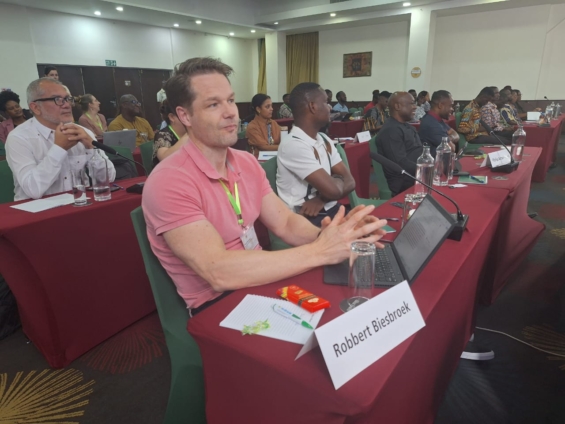
Ghana took center stage in climate adaptation discussions when the Environmental Protection Agency and the United Nations University – Institute of Natural Resources in Africa (UNU-INRA) hosted an IPCC outreach meeting at the Alisa Hotel in Accra. The event brought together government officials, academics, climate experts, and international development partners to explore how climate change strategies can focus on people’s lives and communities, not just infrastructure and projects.
At the heart of the meeting was a keynote presentation by Director of United Nations University- Institute of Natural Resources in Africa (UNU-INRA), Prof. Fatima Denton, titled “Adaptation: Whose Story Counts?”
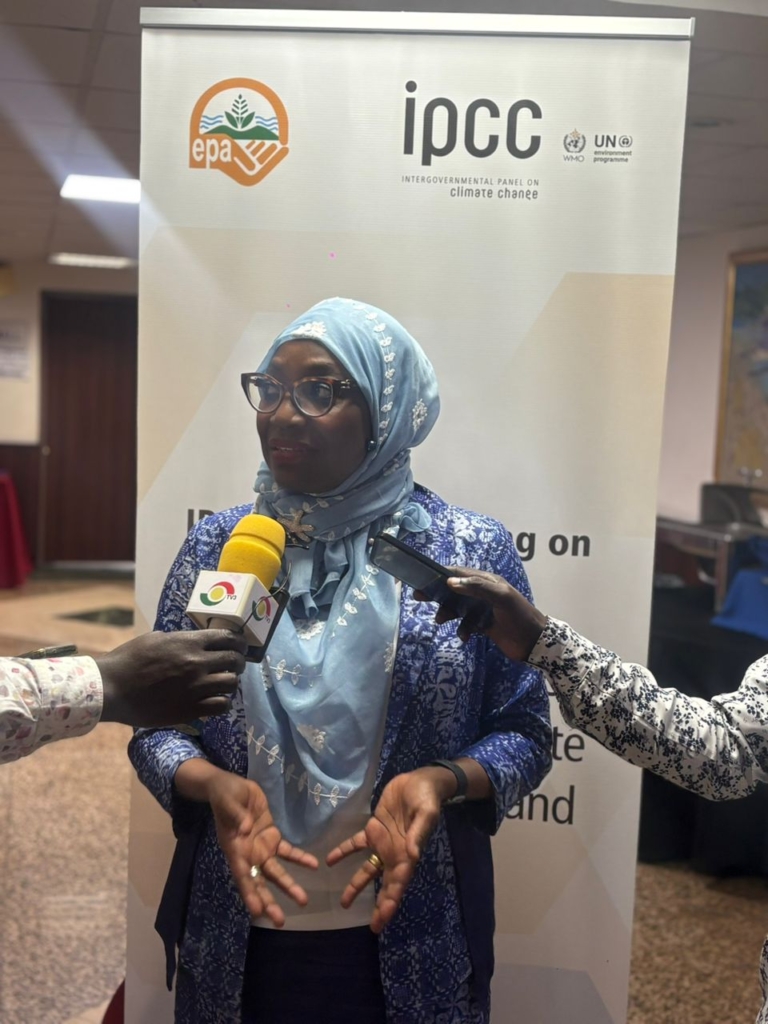
She explained that adaptation success is often measured by visible outputs such as flood barriers, drainage systems, or other infrastructure, while the real impact comes from improving people’s health, livelihoods, and daily resilience. She urged that metrics should reflect the experiences of vulnerable communities, showing what works for ordinary households and not only what can be counted easily.
Prof. Denton highlighted that adaptation planning must consider health impacts such as heat stress, changing disease patterns, and strain on local health systems. She emphasized that household coping strategies often disappear when aggregated into national or global indicators and called for adaptation measures that ensure justice for the most exposed groups. She said adaptation is not neutral, and it must make people visible in the way success is measured and funded.
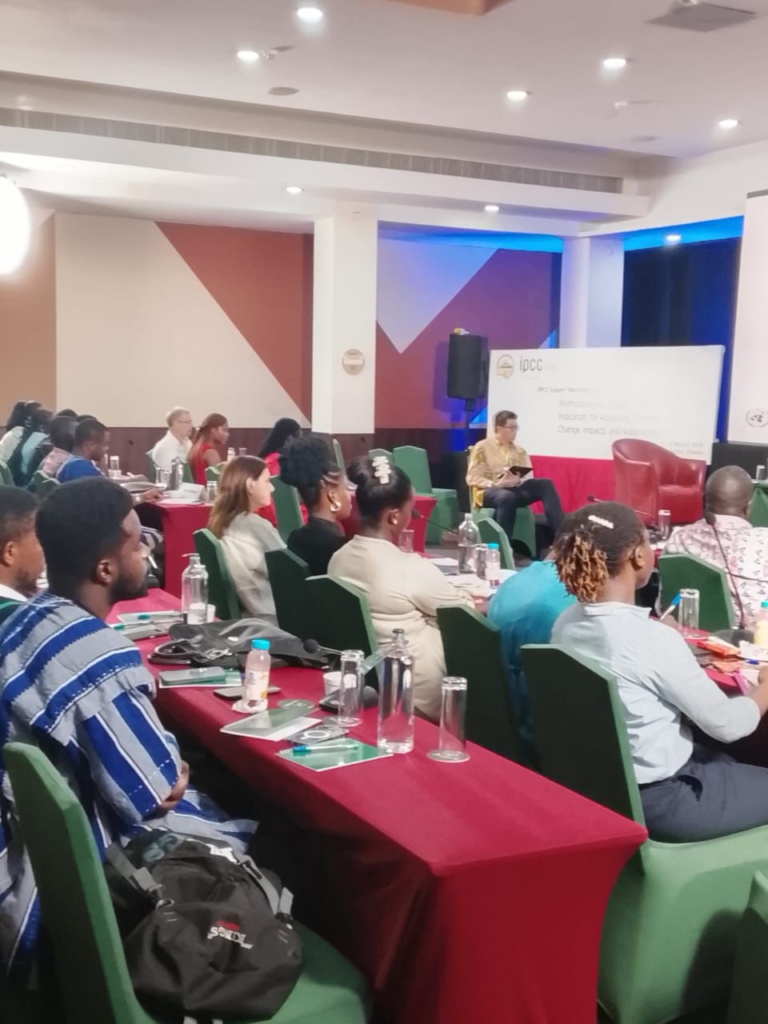
The outreach event also featured a panel discussion on how IPCC findings can inform national decision-making. Experts including Dr. Phillip Antwi from KNUST, Dr. Nana Antwi Boasiako Amoah from EPA, among others explored ways Ghana can design policies that use scientific evidence to support vulnerable communities.
The discussions showed that integrating human-centered metrics into adaptation strategies can guide finance, planning, and policy to deliver real benefits to the people who need them most.
The event demonstrated Ghana’s leadership in connecting global climate science with local realities to show that the country is moving beyond counting projects to counting lives, health, and livelihoods. Participants agreed that adaptation efforts that focus on people will not only improve outcomes for communities but also strengthen Ghana’s position as a model for climate action in West Africa.
Latest Stories
-
Bishop Asuamah urges hope, peace amid global and local conflicts
1 minute -
Ahmed Ibrahim climaxes Easter with call for national sacrifice, fervent prayers
3 minutes -
NMC commits to reviving Media Advisory Committees
5 minutes -
Mahama lauds Julius Debrah for shaping Kwahu Business Forum
9 minutes -
Mahama outlines plans to elevate Kwahu Business Forum
16 minutes -
Ghana’s disinflation drive came at significant cost – BoG Governor
26 minutes -
Vice President engages Anlo traditional authorities as Queenmothers push for women’s empowerment
32 minutes -
Kanye West’s right to enter UK under review after festival outcry
1 hour -
Trump threatens to take out Iran in ‘one night’ if no deal before deadline
1 hour -
Mahama reaffirms government’s commitment to Savannah Region’s development
2 hours -
Prudential Life settles GH¢100,000 medical bills under its PRUCares Valentine Experience Initiative
7 hours -
Wa West Picnic: Peter Lanchene Toobu champions peace, health and unity in landmark celebration
7 hours -
Dr Mensah Market flooded after downpour in Kumasi
7 hours -
Armed men reportedly storm Adjen Kotoku Onion Market amid tensions
8 hours -
Tecco Mensah writes: Why football fans must look beyond statistics
9 hours