

Audio By Carbonatix
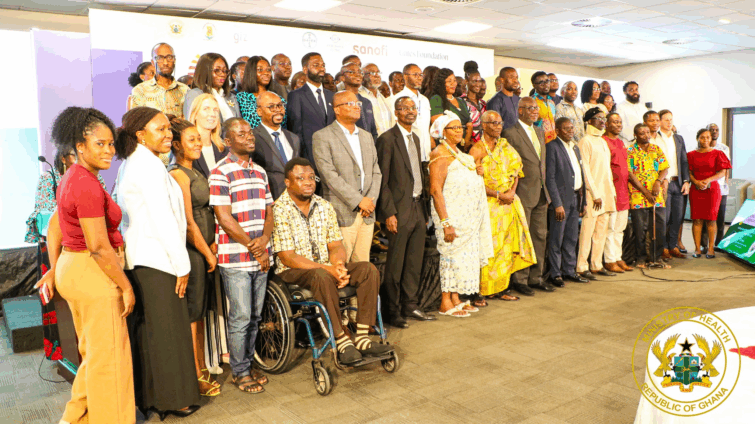
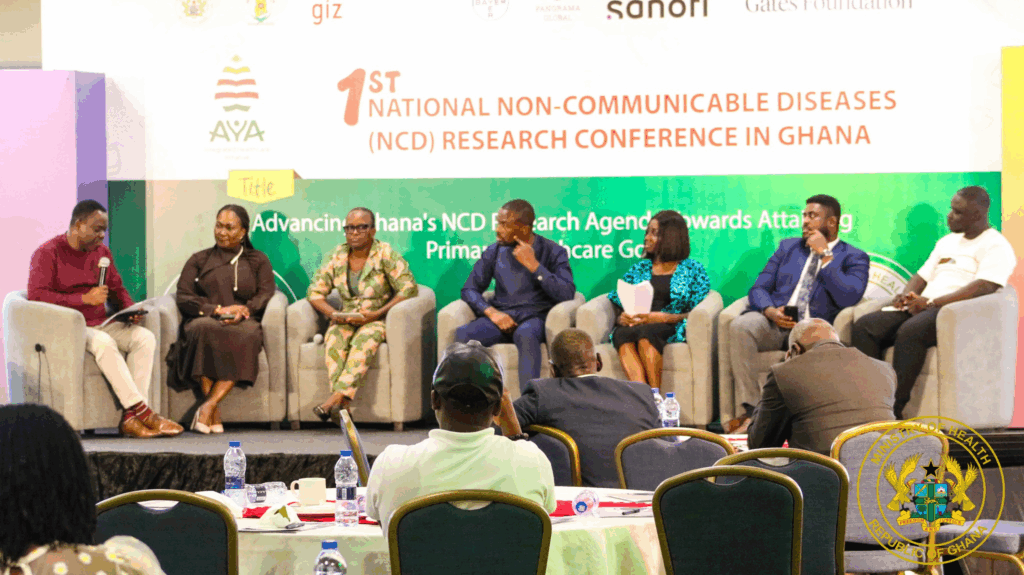
Ghana has launched its first National Non-Communicable Diseases (NCDs) Research Conference, an initiative by the Ministry of Health in collaboration with the Ghana Health Service, GIZ, and the AYA Integrated Healthcare Initiative.
The conference was held under the theme “Advancing Ghana's NCDs Research Agenda Towards Attaining Primary Healthcare Goals.”
The event brought together researchers, policymakers, development partners and health professionals to deliberate on the development of a National NCD Research Agenda.
The aim is to generate evidence to guide policy decisions, promote multidisciplinary research, and strengthen Ghana’s healthcare system for the prevention and control of NCDs.
Speaking on behalf of the Minister for Health, Kwabena Mintah Akandoh, the Director of External Health Cooperation at the Technical Coordinating Department of the Ministry of Health (MOH), Dr Hafez Adam Taher, stressed the government’s commitment to improving research and data quality.
He explained that the conference offers an important opportunity to convert research into practical policy.
He said the meeting would help build stronger links between Ghanaian and international NCD researchers and “enhance national policy for data collection and knowledge generation.”
Dr Taher added that the goal is to develop a national agenda that aligns with major health sector priorities, including the Ghana Medical Trust Fund (MahamaCares), free Primary Health Care, and the Universal Health Coverage roadmap.

In acknowledging the support of partners, the ministry praised the commitment of local research institutions.
He encouraged them to deepen their collaboration with the Ministry of Health and the Ghana Health Service so that research “transcends academic outcomes and becomes the backbone of policymaking.”
Delivering remarks on behalf of the Director-General of the Ghana Health Service, Dr Franklin Asiedu-Bekoe, Director of Public Health, stressed the importance of research in transforming NCD care.

He noted that strong research can lead to early detection, better clinical care, stronger health systems and improved monitoring and accountability.
He concluded that the battle against NCDs would be won through knowledge, research that informs practice, transforming systems, and saving lives.
Latest Stories
-
Eleven remanded over land guard case activities
3 hours -
Air Force One set for makeover paint job with new colours
3 hours -
Bodo/Glimt stun Inter Milan to continue fairytale
3 hours -
Ga Mantse stable after early morning accident
3 hours -
Pressure mounts as Arsenal blow 2-goal lead to draw at Wolves
3 hours -
Club Brugge fight back to leave Atletico tie delicately poised
3 hours -
Benfica claim ‘defamation campaign’ against Prestianni
3 hours -
Sinner and Alcaraz reach Qatar quarter-finals
4 hours -
Kenpong Travel and Tours to launch 2026 World Cup travel package on Friday
4 hours -
‘It hurts a lot’ – Coutinho announces Vasco exit
4 hours -
Provider – A new gospel anthem of faith, hope, and divine supply
4 hours -
MOBA heads to Accra Ridge for 11th National Conference on Feb 21
4 hours -
Ghana’s Doris Quainoo clocks new PB 8.23s to claim second place at Jarvis City Invite
4 hours -
Spain luxury hotel scammer booked rooms for one cent, police say
4 hours -
Zuckerberg defends Meta in landmark social media addiction trial
4 hours