

Audio By Carbonatix
The European Union (EU) has allocated GH¢1.6 million (€100,000) in humanitarian funding to assist communities affected by the ongoing cholera outbreak in Ghana.
The outbreak, which began in October 2024, has spread to 36 districts across five regions: Greater Accra, Central, Western, Eastern, and Ashanti.
In a press release, the EU announced that its financial support would aid the Ghana Red Cross Society (GRCS) in implementing essential relief measures, including the provision of chlorine for disinfection, handwashing devices, and public health education.
By the end of December, the Ghana Health Service reported 4,850 suspected cases and 35 deaths, despite ongoing vaccination efforts to control the disease.
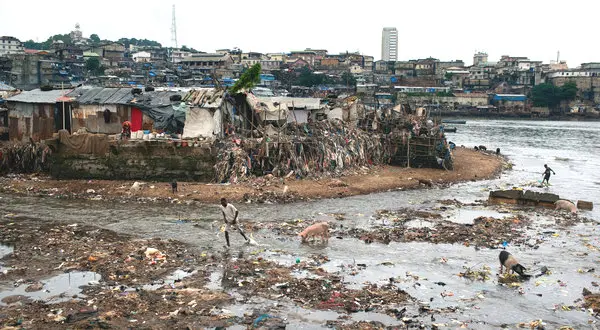
The outbreak has been linked to poor hygiene practices, inadequate sanitation, and heavy rains that have worsened drainage issues.
The relief efforts would, therefore, prioritise high-risk areas such as displacement camps and informal settlements on the urban periphery, the release said.
According to the EU, the funding is expected to benefit 150,000 individuals who are at high risk of cholera transmission due to inadequate access to clean water and sanitation facilities.
The Ghana Red Cross has been at the forefront of the response, providing sanitation resources and engaging communities to curb the outbreak’s spread.
The support forms part of the EU’s broader contribution to the Disaster Response Emergency Fund (DREF) of the International Federation of Red Cross and Red Crescent Societies (IFRC).
The EU has a €14.5 million humanitarian delegation agreement with the IFRC to replenish the DREF for small-scale disasters that do not trigger a formal international appeal.
The EU and its members are the world’s leading providers of humanitarian aid, according to the release.
It works through its Civil Protection and Humanitarian Aid Operations department to assist millions of victims of conflict and natural disasters.
With headquarters in Brussels, and a global network of field offices, the EU provides emergency relief based on humanitarian needs.
In addition to its humanitarian aid, the EU contributes €40 million towards the development of Ghana’s vaccine manufacturing capability under the Global Gateway flagship initiative.
Latest Stories
-
EPA boss encourages journalists not to relent in their support to fight galamsey
3 minutes -
Domestic Gold Purchasing Programme helped Ghana’s economy during difficult period – IMF
5 minutes -
Ike City Group of Companies touches hearts at Dzorwulu Special School with compasionate donation
23 minutes -
Vehicle exhaust pipes on the left create about 40% more pollution on the road than those on the right – Study
33 minutes -
My Response to Dr Bryan Acheampong: Facts must prevail
39 minutes -
U.S. and Ghana Armed Forces strengthen medical readiness at SETAF-AF Best Medic Competition
1 hour -
Earlier passage of BoG’s Amendment Bill could have prevented haircuts – Dr. Asiama
2 hours -
Economic stability gains were hard-won through discipline and institutional effort – BoG Governor
2 hours -
GCB Bank rewards customers at first “Pa To Pa” Promo Draw
2 hours -
EC sets March 3 for Ayawaso East by-election
3 hours -
Call for Applications: WikkiTimes launches Anas Aremeyaw Anas AI fellowship
3 hours -
GPL 2025/26: Dreams hold Hearts as Phobians record 8th draw
3 hours -
If you attempt to bribe a police officer now, he will disgrace you; he wants a promotion – IGP Yohuno
3 hours -
Kwabena Adu Koranteng: KGL: Ghana’s most transparent, accountable indigenous corporate brand
3 hours -
This Saturday on Newsfile: NPP presidential primaries, Ofori-Atta, Sedina detention and LGBTQ-tainted manual
3 hours