

Audio By Carbonatix
Ghana has taken a monumental step towards building a more sustainable future by unveiling a comprehensive roadmap to decarbonise the building and construction sector.
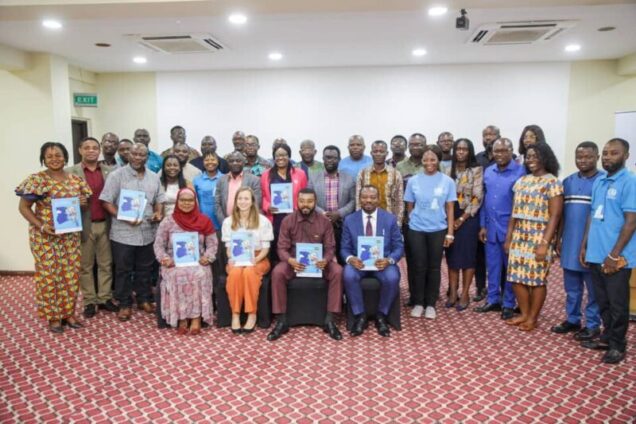
The roadmap, launched on October 24 at the AH Hotel in Accra, aims to significantly reduce carbon emissions across the entire construction value chain.

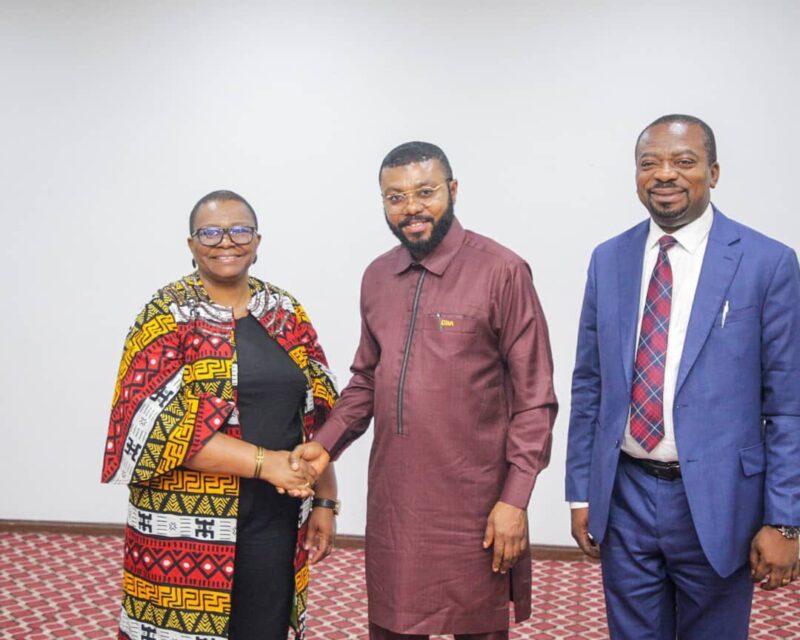
Speaking at the launch, the Deputy Minister of Housing, Dr. Prince Hamid Armah, emphasized the importance of this initiative, describing it as a “transformative” and “pivotal step” in the nation’s journey toward environmental sustainability.
“This moment marks a pivotal step in our collective effort to create a more sustainable, resilient, and environmentally responsible built environment in Ghana,” Dr. Armah declared.
In collaboration with UN-Habitat and UNOPs, the Government of Ghana has crafted this roadmap as part of broader efforts initiated in November 2023 under the “Transforming the Built Environment through Sustainable Materials” program.
The roadmap seeks to address the construction sector’s significant contribution to global climate change.
“The building sector is a major contributor to climate change. According to the United Nations Environment Programme, this sector accounts for over 37% of global energy-related carbon emissions,” Dr Armah highlighted, emphasising the urgent need for action.
He further pointed out the staggering statistics linked to the industry’s environmental impact, including its consumption of 40% of global energy and 30% of raw material extraction.
Key strategies outlined in the roadmap include the promotion of energy-efficient systems, green building materials, water conservation, and the adoption of innovative technologies.
“This roadmap is not just a document; it is a blueprint for meaningful change,” Dr. Armah stated.
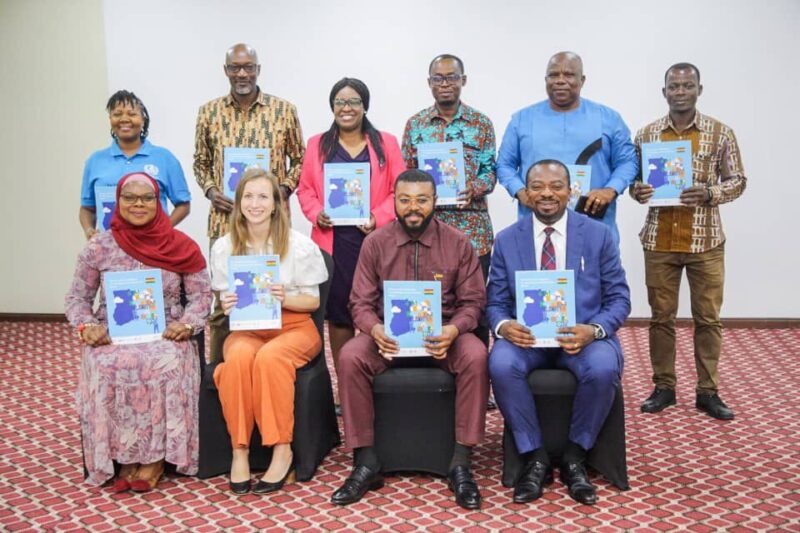
He also stressed that collaboration from all stakeholders is crucial to the success of the roadmap.
As Ghana continues to experience rapid urbanisation, with an urban population of 58%, the demand for sustainable construction practices has become more urgent.
Dr. Armah urged stakeholders—government entities, the private sector, financial institutions, and civil society—to work together to ensure that Ghana’s built environment reflects its values, culture, and commitment to sustainability.
In conclusion, the Deputy Minister launched the roadmap with a hopeful message: “Let it inspire action, encourage partnerships, and drive the innovation needed to build a future we can all be proud of.”
Latest Stories
-
Dafeamekpor chairs Kenpong Travel’s 2026 World Cup Travels management team
6 minutes -
Group petitions OSP, EOCO,AG, over alleged unlawful role of unlicensed firm in GoldBod operations
45 minutes -
Ghana in Praise 2026 set to open new year with national worship gathering
47 minutes -
Keeping Ofori-Atta for 8 years was Akufo-Addo’s worst decision – Winston Amoah
1 hour -
Whose security? whose interest?: U.S. military action, Nigeria’s internal failure, and the dynamics of ECOWAS in West Africa
2 hours -
Abuakwa South MP names baby of 13-year-old teenage mother after First Lady
2 hours -
Police thwart robbery attempt at Afienya-Mataheko, 4 suspects dead
2 hours -
Don’t lower the bar because things were worse before – Kojo Yankson on Mahama gov’t
3 hours -
Jefferson Sackey rallies support for Dr. Bawumia
3 hours -
2024 elections helped stabilise Ghana’s democracy – Sulemana Braimah
3 hours -
Playback: 2025 Year in Review
4 hours -
Ghana’s crypto transactions hit $10bn by November – SEC
4 hours -
SEC says VASP law will protect investors, ensure market integrity
4 hours -
Mandatory Smart Port note will increase cost of doing business – Coalition of exporters, importers and traders
4 hours -
Banda MP hands over police station, quarters to Banda Boase community
4 hours