

Audio By Carbonatix
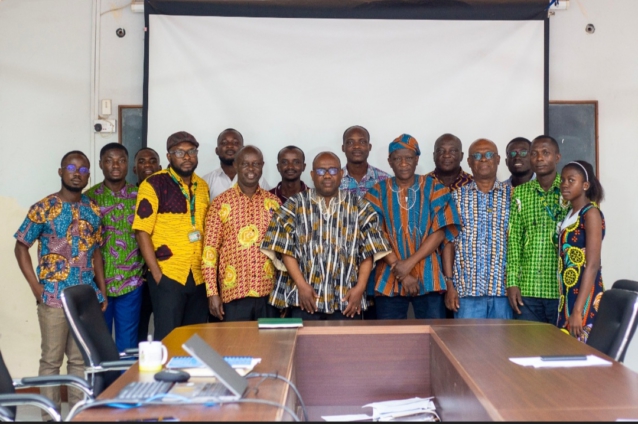
Geophysicists at the Department of Physics, Kwame Nkrumah University of Science and Technology, are set to commence geophysical/geoarchaeological investigations into one of Ghana’s oldest slave centres in the southeastern part of Ghana.
It is in partnership with the Department of Archeology and Heritage Studies, University of Ghana.
The project aims to advance the field of geophysics and geoarchaeology and also train a new generation of geoscientists in Ghana by exploring the use of geophysics. It will complement the methods that archaeologists use in investigating the past; especially in excavating and documenting the myriad nature of the relics of the slave trade in southeastern Ghana.
The project funded by the Society of Exploration Geophysicists (SEG) is in collaboration with the KNUST Geophysical Society.
The two-week field camp would trace the different slave routes and living conditions of enslaved people essentially for enriching historical contexts.
The project would provide a proper understanding of the varied nature of the trade in enslaved people.
It would discover relics of slavery such as shackles, rifles, unearthed remains, pottery, beads, and evidence of cultural practices.
Giving an overview of the project, Project Lead, Dr. Cyril D. Boateng, said “the project will significantly impact the growth of geophysics and geoarchaeology in slavery-related heritage studies in the West African region”.
Head of Department of Physics, Prof. Reuben Yao Tamakloe indicated “the maiden project would continue to keep the Department at the forefront of geophysical research and training in Ghana”.
In a move to expand the knowledge base in geophysics in Ghana, the project would train at least twenty-five geophysics students.
They will be equipped on site with the technical know-how in using geophysical implements for archaeological explorations.
The two-week field camp is said to commence in the first two week of October, 2022.
Project co-lead, Prof Wazi Apoh from Department of Archeology and Heritage Studies, University of Ghana indicated the project will contribute to the achievement of SDGs 4, 10 and 11 before the 2030 deadline.
President of KNUST Geophysical Society, Gad Thompson emphasized the relevance of application of geophysical techniques to national development.
He called for the preservation and maintenance of the Ghanaian heritage.
The first KNUST SEG Geophysics Field Camp has been launched with applications open to the general public with interest in geophysical science.
Apply to join the 1st KNUST SEG Geophysics Field Camp and complete the process.
Latest Stories
-
GPL 2025/26: Dreams FC stage stunning comeback to hammer Eleven Wonders
2 hours -
Livestream: The Probe examines Kumasi’s looming water crisis
2 hours -
MTN Ghana gears up to lead Africa’s AI revolution
2 hours -
Philanthropist Alhaji FuZak donates Da’wah bus to Ambariya Sunni community
2 hours -
GUTA calls for suspension of Publican AI system over trade disruptions
2 hours -
TTAG raises alarm over proposed recruitment of 7,000 teachers, demands national posting roadmap
2 hours -
Civilians feared killed after reports of air strike on Nigerian market
3 hours -
Bishop Simon Kofi Appiah installed as new Jasikan Diocese Bishop
3 hours -
Trump’s Strait of Hormuz blockade threat raises risks and leaves predicaments unchanged
3 hours -
US Court backs extradition of former MASLOC CEO Sedina Tamakloe-Attionu to Ghana
3 hours -
Seven arrested as NAIMOS dismantles illegal mining camp, seizes firearms at Boin River
3 hours -
Fire erupts at Madina Ritz Junction, destroys multiple wooden structures and containers
3 hours -
Daniel-Kofi Kyereh returns from long-term injury, registers assist for Freiburg U23
3 hours -
Knifeman calling himself ‘Lucifer’ slashes three at NYC’s Grand Central
4 hours -
Brands are built from within to without
4 hours