

Audio By Carbonatix
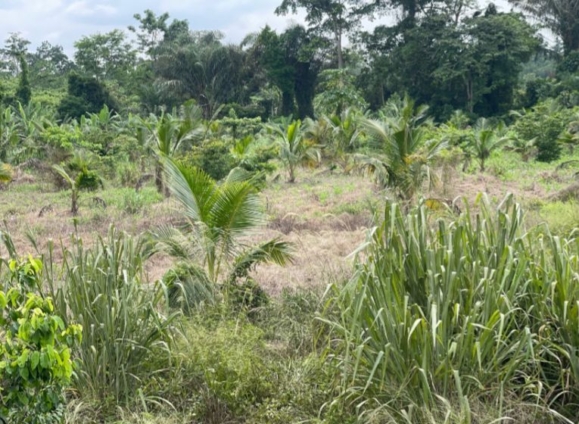
Ghana, a country renowned for its rich gold deposits, is experiencing a new gold rush, this time in the coconut industry.
The burgeoning coconut sector presents immense opportunities for economic growth, job creation, and sustainable development. However, this emerging industry also faces challenges that need to be addressed to ensure its long-term viability.
This article delves into the opportunities, challenges, and prospects of Ghana's coconut industry. Once an overlooked crop, coconut, is now experiencing a surge in popularity that is transforming the country's agricultural landscape.
From smallholder farmers to large-scale producers, Ghanaians are embracing the versatile and lucrative potential of coconut, driving a boom that is expected to have far-reaching impacts on the nation's economy, environment, and food security.
As global demand for coconut products continues to soar, Ghana is poised to become a major player in the industry, leveraging its ideal climate and rich soil to produce high-quality coconuts that are already finding their way into international markets.
Ghana is currently the leading producer of coconut in Africa and number 12 in the world with an annual production of 504,000 metric tonnes (FAO Statistical Database 2022).
According to the Vice President of the Coconut Federation of Ghana, Kwaku Boateng, about 1.8 million Ghanaians have gained employment in the coconut sector.
The coconut boom in Ghana is about more than just export earnings; it is also about empowering local communities, promoting sustainable agriculture, and unlocking the potential of a crop that has been a staple in Ghanaian culture for centuries.
Coconut production is generating employment opportunities for thousands of Ghanaians, particularly in rural areas. Coconut production is promoting community development, as farmers invest in their families and communities.
Smallholder farmers and large-scale producers are benefiting from training and support programs under the GEPA Coconut Revitalization Project and the Tree Crops Development Authority, enabling them to improve their yields and incomes.
According to Kwaku Boateng, the government of Ghana has made provision for coconut farmers to receive seedlings as well as training to help boost the coconut industry under the GEPA Coconut Revitalization Project and the Tree Crops Development Authority. Several sessions of distribution and training have taken place.
Despite its economic importance, the coconut industry in Ghana faces several challenges. One of the major challenges is
the competition between the local value chain and the export market.
Many farmers prefer to sell their coconuts to export companies rather than to local processors, leading to a shortage of raw materials for local industries.
One farmer shared that selling it to exporters is more lucrative because they buy in large quantities and pay more.
The industry also faces challenges related to farming practices and technology. Many farmers still use rudimentary farming methods, which lead to low yields and poor-quality coconuts.
Upon visiting some coconut farms across the country, it was evident that most farmers are set in their old ways when it comes to farming. There is a need for improved farming practices and technology to increase yields and improve the quality of coconuts.
Mr. Kwaku Boateng stated that investing in the coconut industry is a sure way to make the coconut business in Ghana more appealing to Ghanaians. In that regard, the coconut festival, celebrated to showcase the numerous prospects of coconut and to connect stakeholders is one of how the investment is being made.
The festival has been organized by the African Coconut Group in collaboration with the Ghana Export Promotion Authority (GEPA) in September every year since its inception, organisers assure Ghanaians this year will be no exception all things being equal.
Ghana's coconut gold rush presents a unique opportunity for economic growth, job creation, and sustainable development. Addressing the challenges and harnessing the opportunities in this burgeoning industry will require a collaborative effort from the government, private sector, and civil society.
By prioritizing sustainability, innovation, and market access, Ghana can establish itself as a significant player in the global coconut industry, contributing to economic prosperity and environmental stewardship.
Latest Stories
-
We can tackle multiple priorities – Sam George defends Anti-LGBTQ Bill push
2 minutes -
Statement: Ghana Chamber of Mines’ Response to Claims in Joe Jackson’s “Ananse Stories about the Economy of Ghana”
4 minutes -
GES opens 2026 teacher recruitment for licensed B.Ed graduates
6 minutes -
Ghana must value skilled trades, build resilient learners — Ibn Chambas
14 minutes -
Ghana must rethink education around relevance, resilience and responsibility — Ibn Chambas
17 minutes -
Prince Harry faces defamation lawsuit from charity he co-founded
19 minutes -
South Korea deploys thermal cameras to track escaped zoo wolf
20 minutes -
Calls for royal meeting with Epstein survivors grow ahead of US visit
24 minutes -
Ibn Chambas advocates blend of technology and human values in education
25 minutes -
UMA improves healthcare access in Asutifi North with GH₵700k ‘Kim Taylor Legacy’ Walkway
30 minutes -
Scholarships Authority and Fanaka University offer sponsorship for procurement and supply chain studies
33 minutes -
Bisa Kdei drops new single ‘Go N Look’ featuring Medikal
40 minutes -
Benin facing rising terrorism in north as French military presence faces growing criticism
41 minutes -
UEW Public Lecture Series 2026: Education debate ‘about the soul of Ghana’s future’ — Dr Ibn Chambas
42 minutes -
EU fingerprint and photo travel rules come into force from today
1 hour