

Audio By Carbonatix
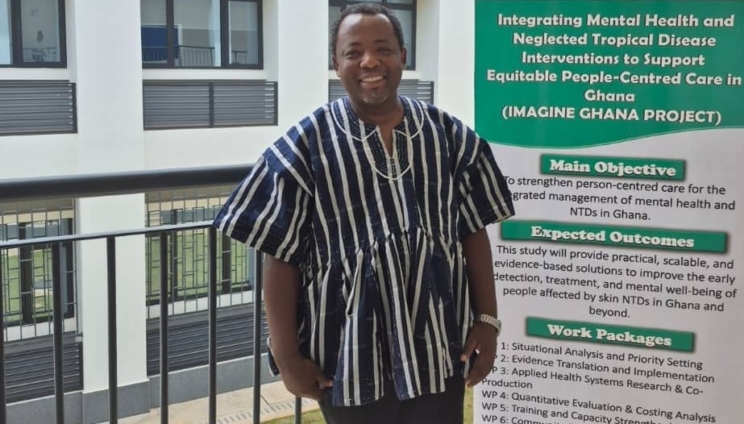
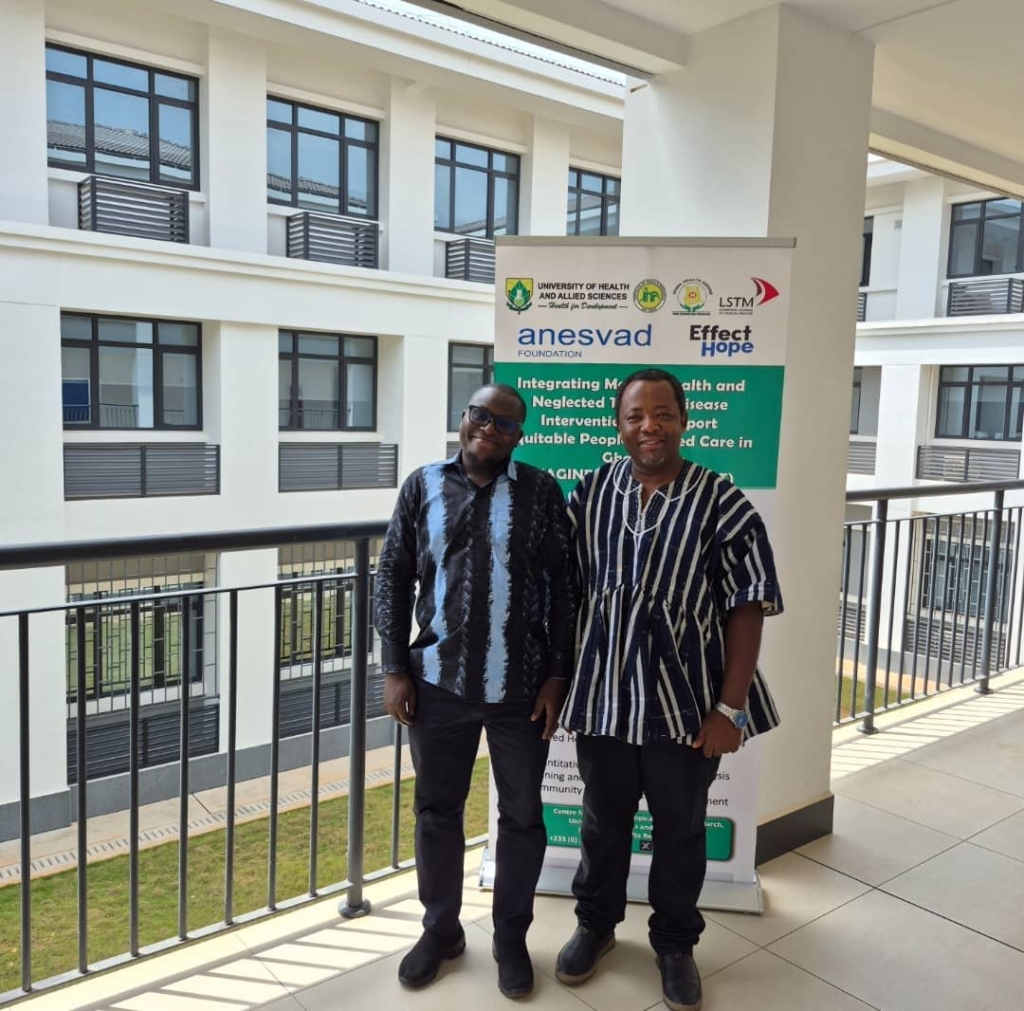
The Director of the Centre for Neglected Tropical Diseases Research at the Institute of Health Research, Dr Alfred Kwesi Manyeh, has called for urgent structural reforms within Ghana’s health system to integrate mental health into the treatment of skin-related Neglected Tropical Diseases (NTDs).
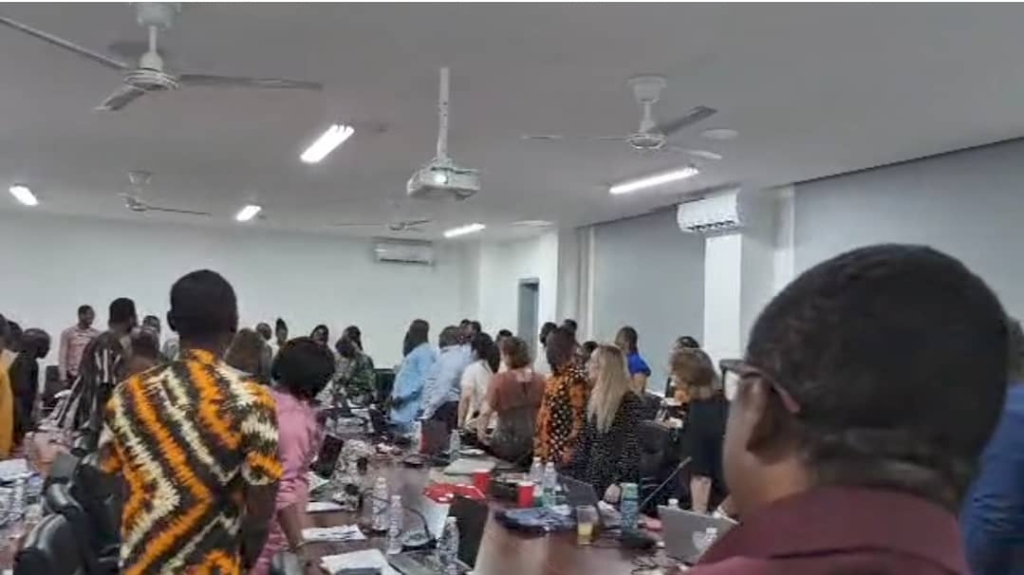
Speaking during a multi-stakeholder engagement under the IMAGINE GHANA Project at the University of Health and Allied Sciences (UHAS) in Ho in the Volta region on February 25, 2026, Dr Manyeh revealed that although both mental health and NTD programmes operate under the Ghana Health Service, they largely function independently.
“If a patient presents with a skin NTD, the physical condition is treated, but their mental health status is often not assessed,” he explained. “Yet these diseases come with enormous psychosocial pain, stigma and emotional distress.”
According to Dr Manyeh, a baseline study conducted across pilot districts uncovered clear policy and implementation gaps:
-Mental health policies do not include skin NTD management.
-NTD master plans do not incorporate mental health assessment or support.
This disconnect, he noted, weakens treatment outcomes and limits person-centred care.
“We cannot continue working in silos. Health service delivery must address the whole person — not just the visible symptoms,” he stressed.
To address these gaps, the project convened stakeholders from national to district levels, including the Ministry of Health, Mental Health Authority, NTD Programme, Ministry of Environment Science and Technology and affected communities, to review findings and jointly design an integrated intervention.
The project is being implemented by the University of Health and Allied Sciences in collaboration with the Liverpool School of Tropical Medicine and supported by development partners.
Currently being piloted in Ho, Hohoe, Ellembelle and Bole, the four-year initiative aims to produce an integrated assessment tool that can be scaled nationwide.
Dr Manyeh pointed out that similar implementation research has only been conducted in Liberia within Africa, positioning Ghana as the second country on the continent to undertake such an initiative.
He believes the project could reshape national health policy and serve as a model for integrated NTD–mental health care across the region.
“If we succeed,” Dr Manyeh noted, “any patient who walks into a health facility in Ghana with skin NTD will receive both physical and mental health assessments as part of routine care.”
Latest Stories
-
Health Ministry engages Ga Mantse ahead of Free Primary Healthcare launch
4 minutes -
We can tackle multiple priorities – Sam George defends Anti-LGBTQ Bill push
38 minutes -
Statement: Ghana Chamber of Mines’ Response to Claims in Joe Jackson’s “Ananse Stories about the Economy of Ghana”
40 minutes -
GES opens 2026 teacher recruitment for licensed B.Ed graduates
42 minutes -
Ghana must value skilled trades, build resilient learners — Ibn Chambas
50 minutes -
Ghana must rethink education around relevance, resilience and responsibility — Ibn Chambas
53 minutes -
Prince Harry faces defamation lawsuit from charity he co-founded
55 minutes -
South Korea deploys thermal cameras to track escaped zoo wolf
57 minutes -
Calls for royal meeting with Epstein survivors grow ahead of US visit
60 minutes -
Ibn Chambas advocates blend of technology and human values in education
1 hour -
UMA improves healthcare access in Asutifi North with GH₵700k ‘Kim Taylor Legacy’ Walkway
1 hour -
Scholarships Authority and Fanaka University offer sponsorship for procurement and supply chain studies
1 hour -
Bisa Kdei drops new single ‘Go N Look’ featuring Medikal
1 hour -
Benin facing rising terrorism in north as French military presence faces growing criticism
1 hour -
UEW Public Lecture Series 2026: Education debate ‘about the soul of Ghana’s future’ — Dr Ibn Chambas
1 hour