

Audio By Carbonatix
Ghana’s international reserves dropped to US$11.4 billion, ending August 2026.
This represented 4.2 months of import cover.
It marked a US$1.9 billion decline from the about US$12.94 billion that the country recorded at the end of June 2026.
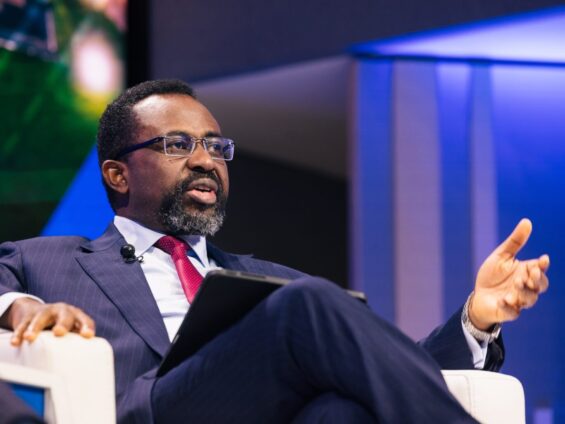
The Bank of Ghana Governor, Dr. Johnson Asiama, revealed this international reserves data when he opened the 132nd Meeting of the Monetary Policy Committee of the Bank of Ghana on 23 September 2026.
Dr. Asiama also disclosed that Ghana’s current account is projected to record a deficit in the third quarter as gold shipments slowed and service payments increased.
However, fresh data that JOY BUSINESS has picked up from the Summary of Economic and Financial Data report released by the Bank of Ghana today showed that Ghana's international reserves, as of September 22, 2026, stood at US$12.04 billion.
The Bank of Ghana Governor went on to explain that, based on this development, “Rebuilding net foreign assets must therefore remain the priority heading into the fourth quarter."
“The weaker current account, the decline in reserves, and the pause in gold exports by GoldBod since mid-August call for a careful look at our buffers ahead of the usual rise in foreign exchange demand in the fourth quarter,” the governor added.
He also went on to state that "rebuilding reserves will be a key priority for the Bank in the coming months."
Data from the Bank of Ghana showed that, in February this year, Ghana’s international reserves reached a historic high of US$14.5 billion, representing 6 months of import cover.
What will shape the policy rate review?
In his address to the members of the Monetary Policy Committee, the Bank of Ghana Governor noted that the Committee faces some critical issues and key domestic risks that it must weigh carefully going forward.
“These issues," the governor noted, "will shape their discussions during the meeting, each carrying its own risk," Dr. Asiama stated.
The governor stated that "some of these issues will be the fact that headline inflation has been rising, going up from as low as 3.2% to 5% in August this year."
He, however, added that even the "level remains well below the lower bound of the target band, but the direction has been upward, and the question before the Committee is whether the expected rise over the coming months will be a one-off adjustment to higher energy prices and administered tariffs or the start of more persistent pressure that could unsettle expectations."
The governor also highlighted that the fiscal development in the rest of the year will be very important, adding that “Spending is set to rise, the share of short-term domestic debt is rising, and completion of the external debt restructuring will raise debt service obligations, each with implications for liquidity and the exchange rate."
Latest Stories
-
20% digital tax is not E-Levy – GRA boss
8 minutes -
Defence Minister calls for intelligence-sharing and regional cooperation to tackle maritime insecurity
12 minutes -
Afenyo-Markin failed to comply with procedural rules in defamation suit – Sammy Gyamfi’s lawyers
22 minutes -
GRA recovered GH¢1.3bn out of about GH¢1.4 bn unpaid VAT from ECG – Anthony Sarpong
25 minutes -
KMA to extend daily toll collection to nights and weekends
26 minutes -
Ghana secures second consecutive term on UN Human Rights Council
31 minutes -
KATH Catheterisation lab targets December completion amid specialist staffing concerns
31 minutes -
Government working to address economic challenges driving youth into galamsey – Mahama
41 minutes -
Domestic Capital Africa campaign targets US$600bn pension funds for SME growth
42 minutes -
Women leaders’ wisdom and work deserve recognition – Mahama
52 minutes -
NRSA to refund surplus from auctioned vehicles of non-subscribers after deducting towing costs
53 minutes -
Ghana must integrate AI into mainstream education – DigiMarkt Project Board
54 minutes -
Armwrestling: Ghana unveils World Armwrestling Championship squad, appeals for travel support
54 minutes -
NPRA cites pensions college, data bank to justify 10-storey building project
59 minutes -
16 arrested as security team recovers guns, ammunition at Gbane mining site
60 minutes