

Audio By Carbonatix
The recent announcement by the Minister for Food and Agriculture, Eric Opoku, regarding the termination of the contract for the construction of the Pwalugu Dam has left many stakeholders speculating about the future of this monumental project.
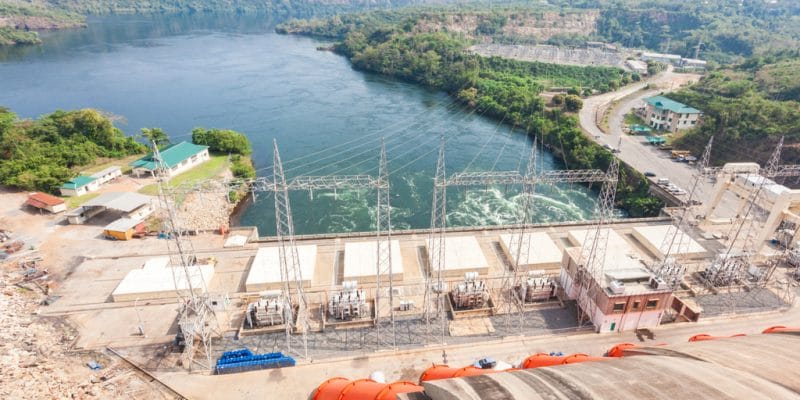
Originally launched in 2019 with a whopping budget of $993 million, the Pwalugu multipurpose dam is intended to play a crucial role in addressing flooding issues in northern Ghana and enhancing irrigation capabilities.
However, as the government proceeds with unraveling this contract, there are urgent questions surrounding accountability, financial implications, and the way forward.
Background of the Pwalugu Dam Project The Pwalugu Dam was envisioned to be a groundbreaking initiative aimed at harnessing renewable energy sources, combining both hydropower and solar energy to deliver a total capacity of 110 MW (60 MW from hydropower and 50 MW from solar). The strategic location at Talensi District in the Upper East Region was chosen not only for its hydrological advantages but also for the potential to address longstanding issues such as flooding—a recurring relief challenge in the northern regions of Ghana.
Despite its ambitious objectives, the project has faced notable delays. As highlighted by the Ghana Irrigation Development Authority (GIDA), approximately $12 million has already been expended on mobilization and site development, yet construction has not commenced. What accounts for this stagnation?
Reasons Behind Contract Termination During a three-day ministerial tour, Eric Opoku indicated the intention to “terminate that contract immediately.” The reasons laid out for this decisive action include:
Lack of Progress:
With the initial completion date set for 2024 now expired, the ineffectiveness of the current contractor in kick-starting the project has become critically evident.
Financial Accountability:
Ensuring that public funds are utilized efficiently is paramount. Continuing this contract further may risk wasting taxpayer money without tangible results.
Exploring New Options:
The Minister mentioned a proactive approach—searching for a new contractor and funding avenues to expedite the realization of the project.
Navigating Potential Legal Challenges
Of significance is the concern raised over potential judgment debts arising from the contract’s cancellation. Tread carefully is the mantra the Minister echoed—indicating that legal counsel would be sought from the Attorney General’s department before moving forward with the termination process. This highlights an understanding of the complexities involved in swiftly discarding contractual agreements that can have lasting implications.
The cautious approach aims not only to safeguard the government's position but also to ensure that the execution of the Pwalugu project can progress unimpeded post-cancellation.
The Future of the Pwalugu Dam
As revealed by Eric Opoku, the objective remains steadfast—a commitment to transform the Pwalugu Dam into what he termed “John Mahama's signature project in the North.”
Here are key areas where authorities might focus moving forward:
Rapid Contractor Search
Identifying a reliable contractor with a proven track record in similar projects will be essential for restoring confidence in the initiative.
Securing Funding
Exploring varied funding options including public-private partnerships could provide much-needed capital that secures the project's viability.
Stakeholder Engagement
Collaboration with local communities, environmental experts, and other stakeholders will enhance transparency and adaptability in planning activities.
Conclusion
The potential impacts of the Pwalugu Dam are significant, offering not just a solution to perennial flooding issues in northern Ghana but also promising advancements in agricultural productivity through enhanced irrigation systems. The Minister's proactive stance may usher in a new chapter for the project—one that, if navigated carefully, could yield fruitful outcomes for the economy and livelihood of the citizens involved.
As the government prepares to take these next steps, all eyes will be on their ability to effectively manage both the challenges and opportunities that lie ahead.
Latest Stories
-
Elsie Addo Awadzi: Leadership reflections, one year on; 7 lessons from 7 years in public office
9 minutes -
Finance Minister announces expiration of DDEP-induced restrictions on domestic bond issuance
21 minutes -
Gov’t urged to aid private nursing training colleges to ease burden on public ones
26 minutes -
Kumasi Mayor vows to keep Kejetia Market free from highly inflammable materials
34 minutes -
Ghana safe from fuel supply disruptions amid Middle East tensions – Dr Oppong
36 minutes -
Ghana Development Awards 2026 set to celebrate excellence in nation-building and economic recovery
1 hour -
IMANI opens applications for 12th SYPALA summer seminar
1 hour -
Khamenei’s wife dies after suffering injuries in air strike – Iranian media
2 hours -
Modernising customs operations: Leveraging advanced technology to combat fraud and inefficiencies
2 hours -
Accra Professional Ladies Open returns after three-year hiatus to mark International Women’s Day
2 hours -
Savannah police command lauds Yagbonwura and others for sustaining current peace
2 hours -
SONA crafted to set up President Mahama – Economist
2 hours -
Gov’t losing focus over cedi appreciation – Economist
2 hours -
March 6 declared statutory public holiday for Independence Day
2 hours -
GCB Bank PLC reaffirms commitment to Ghana–China trade at Chinese New Year climax in Accra
2 hours