

Audio By Carbonatix
Ghana needs a holistic policy environment encompassing both labour supply and demand side interventions, a new World Bank Group report ha stated.
Among various recommendations, the report calls for programmess that incorporate new skills required by employers such as basic digital and soft skills into the education system; as well as operationalise job intermediation systems to ensure that young people are appropriately linked to available jobs, while creating more opportunities for quality jobs.
The 6th Ghana Economic Update titled “Preserving the future: rising to the youth employment challenge” suggests that to boost youth employment, Ghana also needs to strengthen its macroeconomic framework through decisive and sustainable fiscal consolidation, notably, by improving domestic revenue mobilization, reining in on energy sector expenses, and ensuring all public expenditures maximize value for money.
The report observed that such measures will help address Ghana’s debt sustainability concerns which have heightened over the past year.
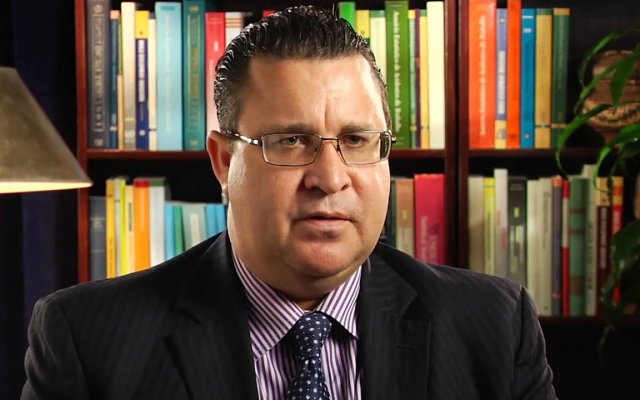
“Restoring the macroeconomic stability will be key to creating more and better jobs, but so will be improving access to finance for businesses, especially small and medium enterprises, and fully leveraging the opportunities created by the Africa Continental Free Trade Area (AfCFTA), to ensure that Ghanaian entrepreneurs can access new markets and stay competitive” says Pierre Laporte World Bank Country Director for Ghana.
Ghana’s growth prospects are positive if it can control the major risks it faces, with growth expected to reach 5.0% in 2022 and to average 5.6% per year over 2022-2024. Growth is expected to be broad-based, led by agriculture and services and a stronger industry sector, supported by high extractives prices.
Ghana has in many ways held remarkably well, not going into a recession in 2020 and showing signs of a rapid recovery in 2021, with a growth rate of 5.4%.
However, this has come at a great cost, most evident in high fiscal deficits. The deficits have resulted in rapid debt accumulation with the country now facing financing difficulties, with limited access to international markets, and a high cost of debt service
“To address the mounting debt sustainability concerns, government must continue to pursue fiscal consolidation and seek to return to compliance with the fiscal rule", said Kwabena Gyan Kwakye, a co-author and Economist.
“It is commendable to note that, the government has set forth an ambitious fiscal consolidation path driven by high revenues and reductions in COVID-19 expenditures and financial sector bailouts. However fiscal policy should also aim to ensure well-targeted support for the vulnerable - including those struggling because of the pandemic, as well as those affected by commodity price spikes now intensified by the war in Ukraine”.
The report cautioned that it will be a mistake to carry out short-term, but necessary, adjustments at the expense of Ghana’s future, which is best embodied by Ghana’s youth.
The report noted that Ghana’s youth has been growing rapidly and now represents 36 percent of the population. The economy’s strong growth performance of the past 30 years has however not delivered enough jobs for them.
The National Population Census established that in 2021 approximately three-quarters of unemployed adults were ‘young’. While governments have created multiple policies and programmes to address youth unemployment over the years, the many programs aimed at helping them have often fallen short of the massive needs.
“To tackle this challenge, policy makers and the private sector must work together to create better quality jobs and ensure that all categories of youth can access them” said Christabel Dadzie, a co-author, and Senior Social Protection Specialist.
“These measures will need to be complemented by interventions in the labor market to limit mismatches of skills and ensure appropriate productive job matches. Comprehensive support to self-employed youth, who constitute the majority, will also be essential", the report added.
The report pointed out that government should review all youth employment programs to maximize their effectiveness and relevance, and where applicable, diminish duplications of effort; the education system will need to adapt to make sure that it produces relevant skills; and technology should be fully leveraged to promote technological adoptions, and beyond adoption, government should identify and intentionally invest in the value chain of technology, while creating markets for SMEs.
Latest Stories
-
CGI orders motorbike training at tactical school in Kyebi
2 minutes -
Sachet water producers in Berekum defy gov’t directives, increase prices
3 minutes -
Critical commodities stuck at port, CSOs warn of family planning crisis
5 minutes -
Gender Ministry mourns victims of Volta Lake boat tragedy, deploys support for affected families
7 minutes -
MPs undergo training on human trafficking and gender dimensions
8 minutes -
Don’t expect instant relief – COMAC CEO warns fuel price drops will be gradual
10 minutes -
GIS to unveil comprehensive plans to enhance officers’ welfare and infrastructure
28 minutes -
Right move, wrong timing? – COMAC CEO questions govt’s delay on fuel price relief
29 minutes -
IMF urges Central Banks to keep inflation in check
52 minutes -
NRSA stands firm on Toyota Voxy ban despite transport operators’ opposition
54 minutes -
H. Kwasi Prempeh raises concerns over Supreme Court’s handling of OSP constitutionality case
1 hour -
Global childhood cancer cases soar
1 hour -
Airline pilots fear retribution over refusing to fly in Middle East, aviators’ group says
1 hour -
Police intensify security in Bosomtwe communities after deadly clash
1 hour -
Corporate Income Tax contributes highest to 2025 petroleum revenue
1 hour