

Audio By Carbonatix
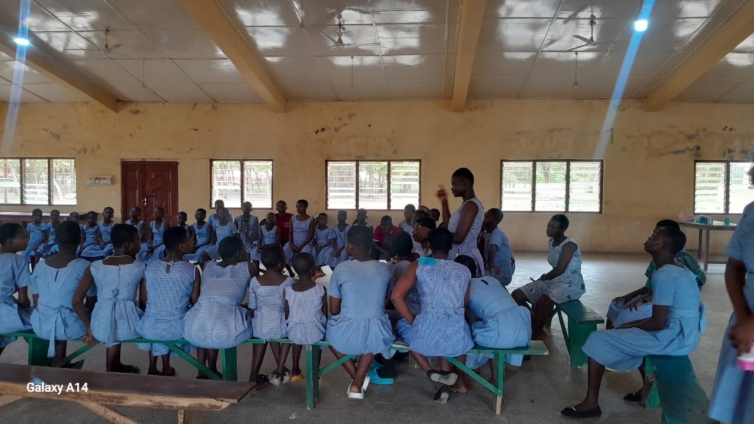
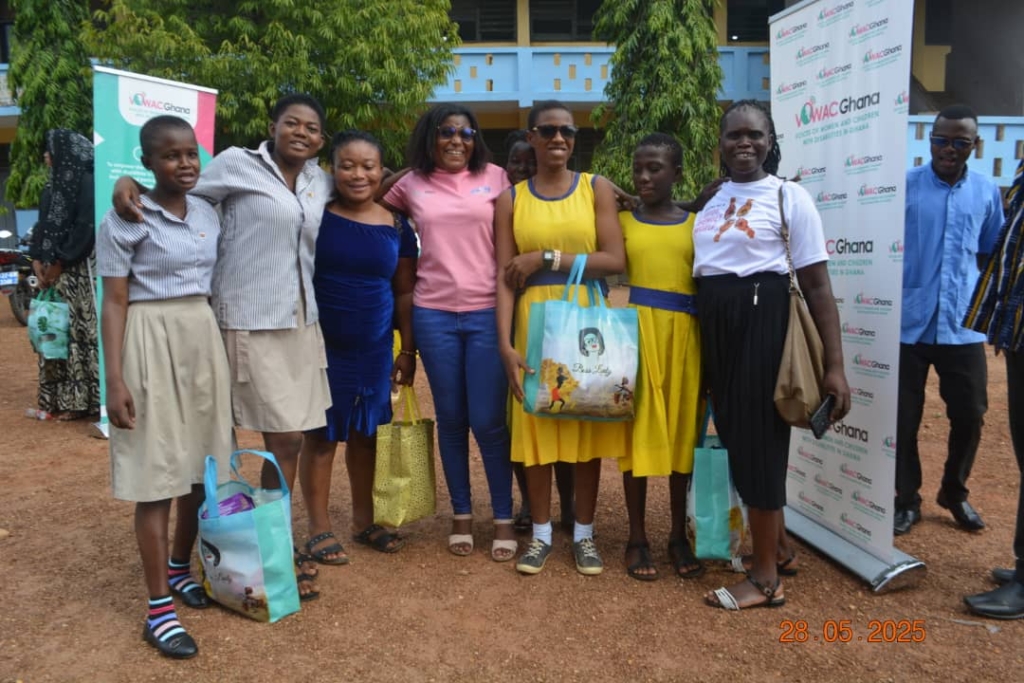
As the world marks the International Day of the Girl Child, the Voices of Women and Children with Disabilities in Ghana (VOWACGhana) has made a passionate appeal to the government and other stakeholders to ensure girls with disabilities are not left behind in national development and decision-making.
This year’s global theme, “The Girl I am, the Change I Lead: Girls on the Frontlines of Crisis,” calls for the empowerment of girls everywhere to take up leadership roles and drive social transformation. However, VOWACGhana says this vision remains a distant reality for many girls with disabilities in Ghana, who continue to face “systemic barriers, deep-rooted inequalities, and triple discrimination.”
In a press statement, the group noted that despite Ghana’s ratification of several international conventions, including the UN Convention on the Rights of Persons with Disabilities and the Convention on the Rights of the Child, girls with disabilities remain among “the most marginalised and vulnerable groups in the country.”
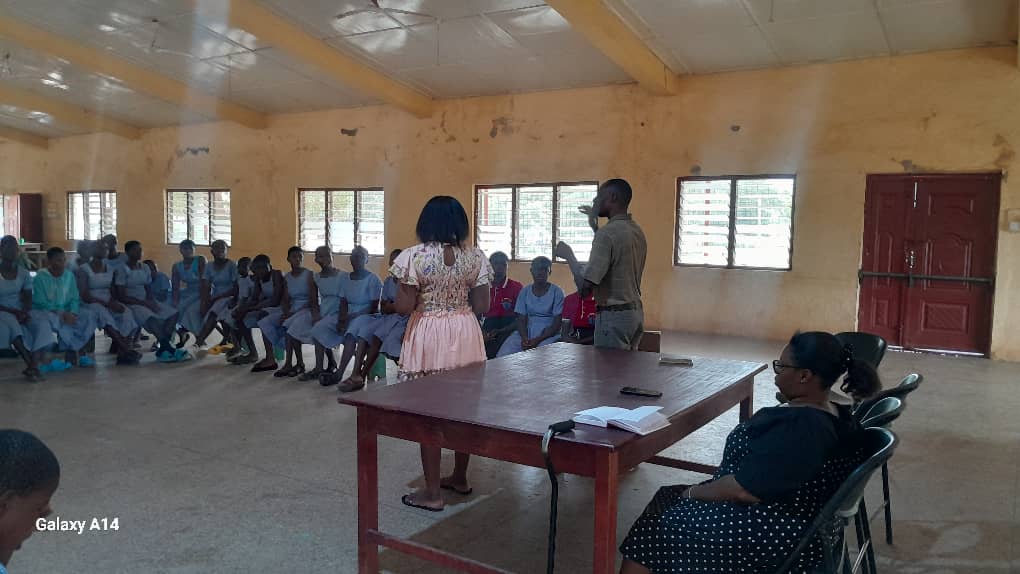
“Their vision of freedom and leadership is clouded by a triple disadvantage of sexism, ableism, and poverty,” VOWACGhana said. “These girls are often denied access to education, healthcare, reproductive rights, and representation at decision-making levels.”
According to the organisation, girls with disabilities are at heightened risk of abuse, exploitation, and neglect, often at the hands of peers and even caregivers. The group stressed that true equality requires deliberate government action backed by adequate funding and strong political will.
VOWACGhana made a series of bold recommendations aimed at transforming the lives of girls with disabilities and promoting full inclusion:
- Enforce Inclusive Education Policy
The group urged the Ministry of Education to “mandate and resource the immediate implementation of fully inclusive, accessible, and well-equipped schools at all levels, especially in rural areas.”
They called for all teachers to receive training in inclusive practices and for schools to be supplied with assistive devices and appropriate learning materials.
“We propose a five-year educational plan dedicated to girls with developmental and psychosocial disabilities,” the statement read, “with at least 10% of the national education budget allocated to fund it.”
- Budgetary Support for Anti-Abuse Programmes
VOWACGhana demanded that adequate budgetary allocations be made to combat violence, abuse, and exploitation against girls with disabilities.
The group also proposed the creation of accessible communication hotlines, with audio, text, sign language, and visual functionalities, to help victims report incidents of abuse.
- Accessible and Quality Reproductive Health Services
“Girls with disabilities deserve the same dignity and healthcare access as any other girl,” the organisation asserted.
It called on the Ministry of Health to fast-track the development of disability-friendly health facilities and train healthcare providers in sensitive, inclusive service delivery, especially in sexual and reproductive health.
- Combat Stigma and Discrimination
VOWACGhana recommended nationwide initiatives to tackle stigma against girls with disabilities through capacity-building for teachers, health professionals, and civil servants.
“Disability is not inability. The fight against stigma begins with training, awareness, and inclusion at every level,” the group said.
- Support for Menstrual Hygiene and Accessibility
The organisation appealed to the government to support girls with disabilities, particularly in special schools, with menstrual hygiene kits to curb “period poverty” and keep them in school.
Additionally, it urged the enforcement of Ghana Accessibility and Building Standards to guarantee accessible washrooms and sanitary facilities.
Call for Collective Action
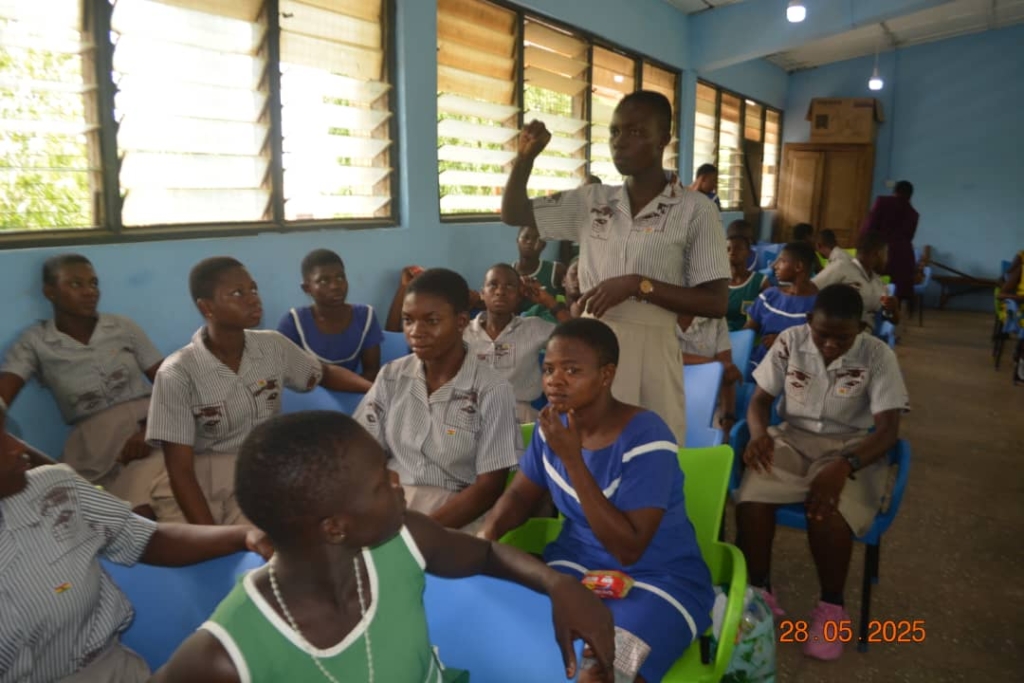
VOWACGhana emphasised that inclusion is not charity but a matter of justice and national progress.
“A truly prosperous Ghana is one where every girl’s potential is realised, regardless of ability,” the statement concluded. “The time for full inclusion is now.”
The organisation also called on the Ministry of Gender, Children and Social Protection, the National Council on Persons with Disabilities, Development Partners, and the United Nations to collaborate in dismantling systemic barriers that limit girls with disabilities from fully participating in society.
As Ghana works toward its inclusive development goals, VOWACGhana’s message serves as a reminder that empowering girls with disabilities is not just a policy choice; it is a moral imperative.
Latest Stories
-
Electricity meter shortage being resolved – Energy Minister assures
7 minutes -
Ghana Young Academy marks International Day of Women and Girls in Science
17 minutes -
Mahama directs expansion of security services recruitment to 40,000
21 minutes -
Crashed helicopter was flying from Ho to Accra – GCAA
30 minutes -
Asenso-Boakye calls for National Highway Master Plan
32 minutes -
Photos of Tema helicopter crash that killed 2
33 minutes -
KNUST names infrastructure research hub in honour of Asenso-Boakye
37 minutes -
From GIS lab to infrastructure research hub: Asenso-Boakye expands legacy of academic support to KNUST’s department of planning
46 minutes -
$214m ‘Gold for Reserves’ loss: Minority intensifies call for full BoG audit
49 minutes -
Video: Charred wreckage of Tema helicopter crash that killed 2
50 minutes -
Aves International Academy wins maiden Tema Inter-Schools Swimming Competition
56 minutes -
Asenso-Boakye deepens commitment to KNUST with new infrastructure research hub
1 hour -
Africa’s unity key to overcoming crude oil supply challenges – Dr Ishmael Hlovor
2 hours -
2 dead as helicopter plunges into school park at Tema
2 hours -
GoldBod signs agreement with Geological Survey Authority for mineral investigations
2 hours