

Audio By Carbonatix
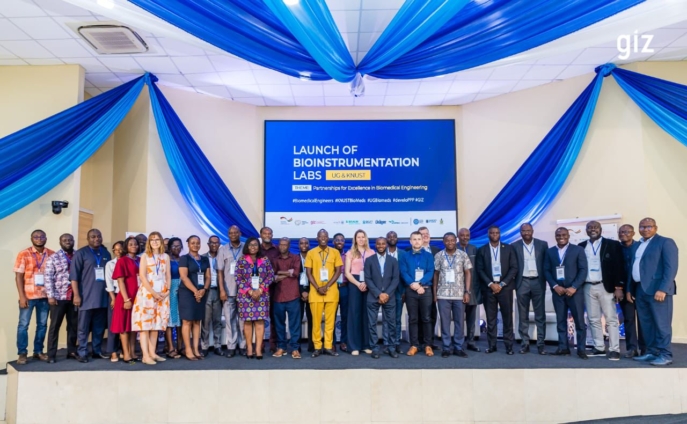
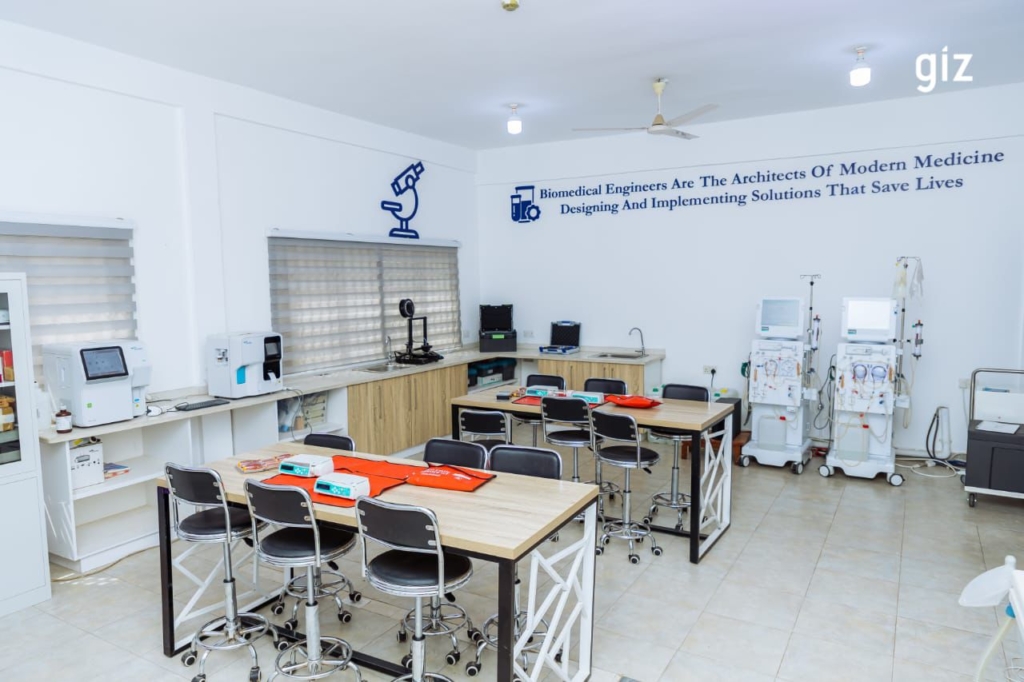
The German Development Cooperation (GIZ) has commissioned a refurbished bio-instrumentation laboratory at the University of Ghana to enhance practical training for Biomedical Engineering students and strengthen technical capacity in Ghana’s healthcare sector.
The laboratory was officially launched at the ISSER Conference Hall of the University of Ghana on Thursday, 26 February 2026, bringing together government officials, university authorities, development partners, and students.
The state-of-the-art facility is equipped with modern biomedical instruments designed to bridge the gap between theoretical learning and hands-on practice, aligning student training with industry standards.
The launch comes as a major relief for students who previously faced challenges gaining practical experience due to outdated equipment and limited laboratory infrastructure. Many students relied heavily on theory, making it difficult to apply classroom knowledge in real-world situations.
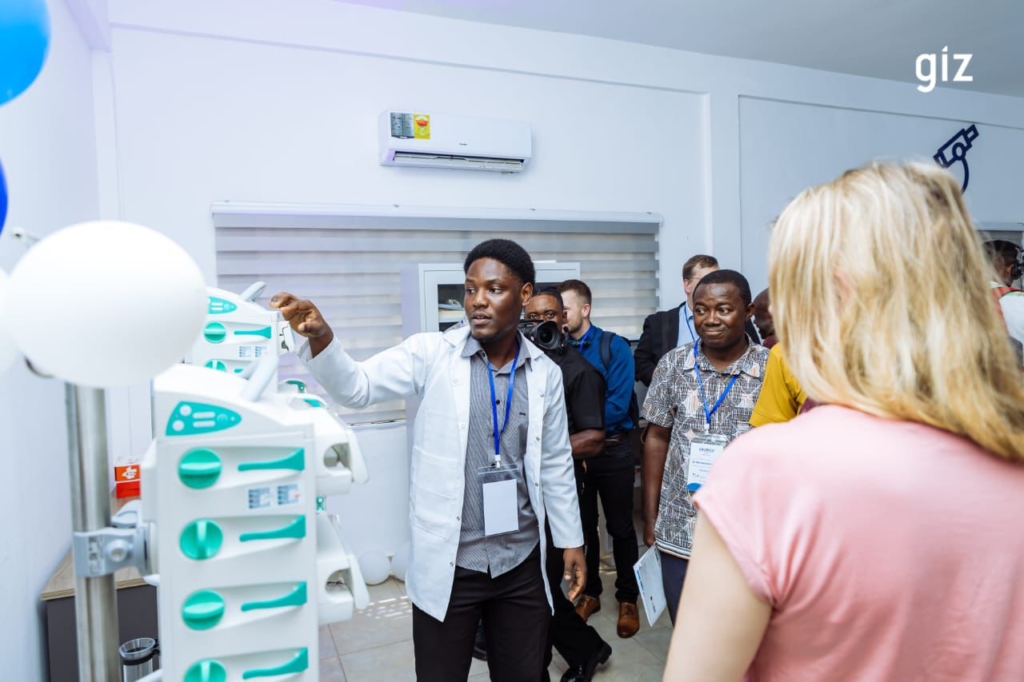
Students, including Daniel Tindan Yinpang and Tricia Andoh-Yamoah, described the new laboratory as a significant improvement that will enhance experimentation, innovation, and professional preparedness.
Speaking at the launch, Professor Elsie Effah Kaufmann, Dean of the School of Engineering Sciences at the University of Ghana, reflected on the long and challenging journey of establishing biomedical engineering education in Ghana.
“We had issues with capacity, facilities, and especially the practical aspects of the programme,” she said, noting that early years were marked by inadequate teaching staff, limited infrastructure, and insufficient facilities for practical training. Lecturers often handled multiple courses while students struggled to gain hands-on experience.
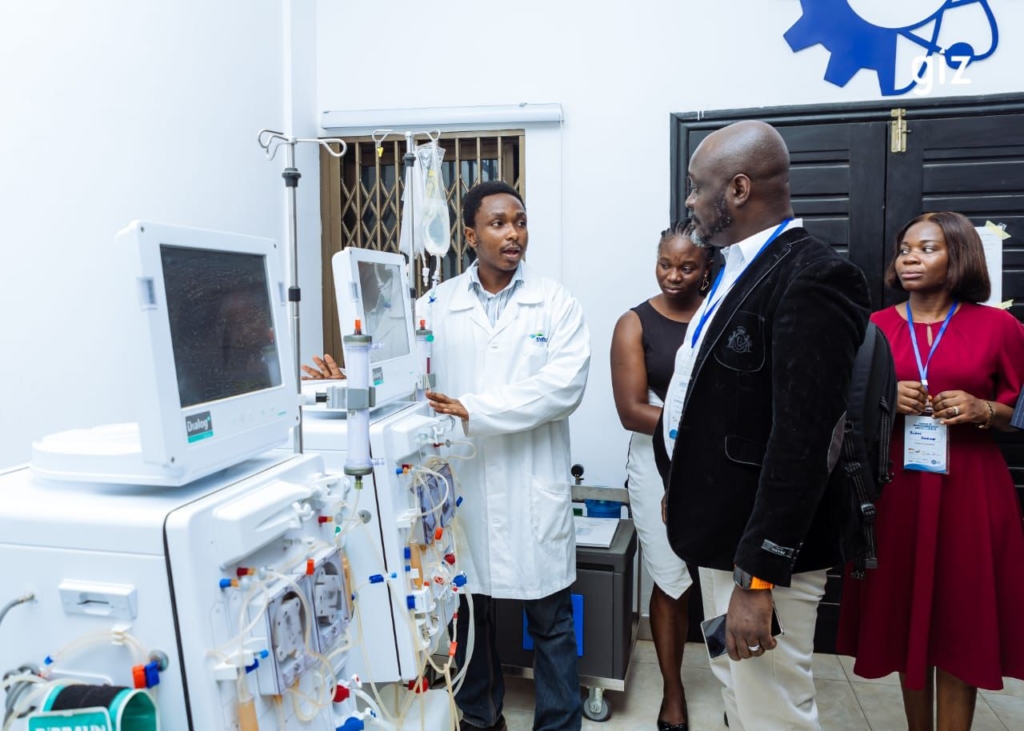
Speaking on behalf of the Minister of Health, Dr Ignatius Awinibuno, Director of Allied Health at the Ministry of Health, emphasised that Ghana’s quest for universal health coverage could be undermined without strong biomedical technology systems and skilled professionals to maintain medical equipment.
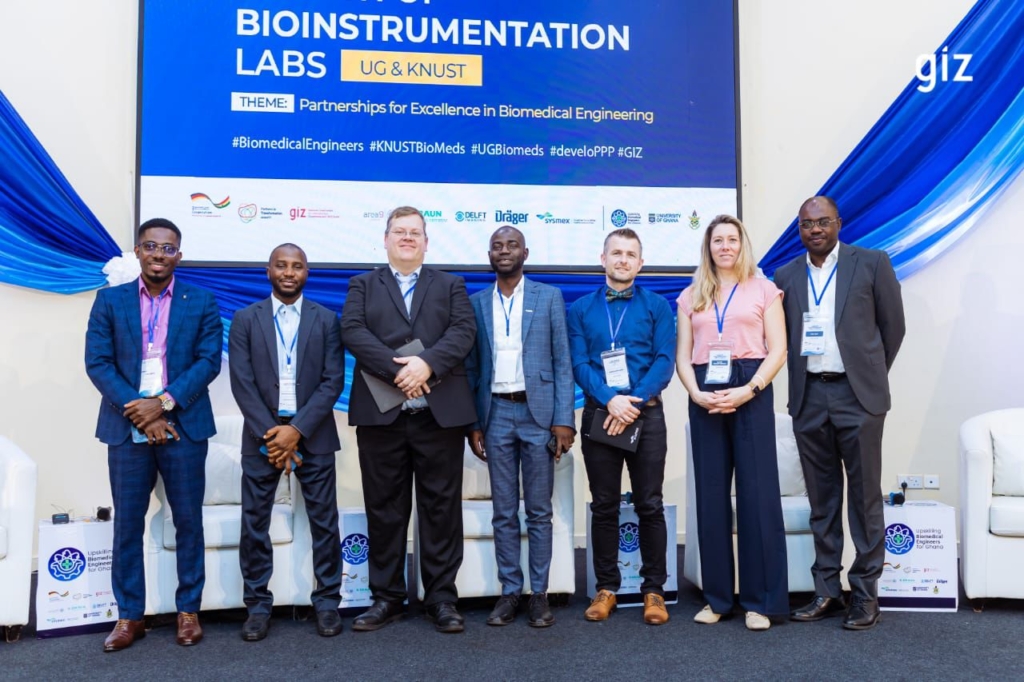
The Lead Consultant for the Upskilling Biomedical Engineers for Ghana initiative, Professor Thorsten Wagner, also highlighted the importance of strengthening practical biomedical engineering education to ensure sustainability in healthcare technology management.
The facility is expected to benefit both current and future cohorts of Biomedical Engineering students, marking a significant milestone in advancing skills-based engineering education at the University of Ghana.
Latest Stories
-
Ghana must value skilled trades, build resilient learners — Ibn Chambas
8 minutes -
Ghana must rethink education around relevance, resilience and responsibility — Ibn Chambas
11 minutes -
Prince Harry faces defamation lawsuit from charity he co-founded
13 minutes -
South Korea deploys thermal cameras to track escaped zoo wolf
14 minutes -
Calls for royal meeting with Epstein survivors grow ahead of US visit
18 minutes -
Ibn Chambas advocates blend of technology and human values in education
19 minutes -
UMA improves healthcare access in Asutifi North with GH₵700k ‘Kim Taylor Legacy’ Walkway
24 minutes -
Scholarships Authority and Fanaka University offer sponsorship for procurement and supply chain studies
27 minutes -
Bisa Kdei drops new single ‘Go N Look’ featuring Medikal
34 minutes -
Benin facing rising terrorism in north as French military presence faces growing criticism
35 minutes -
UEW Public Lecture Series 2026: Education debate ‘about the soul of Ghana’s future’ — Dr Ibn Chambas
36 minutes -
EU fingerprint and photo travel rules come into force from today
1 hour -
Anti-LGBTQ+ Bill: Ghanaians demand expedited passage, not dialogue – Ntim Fordjour to Mahama
1 hour -
EU airline industry warns of fuel shortages if Strait of Hormuz stays closed
1 hour -
White House staff told not to place bets on prediction markets
1 hour