

Audio By Carbonatix
Global food prices have hit the highest level in over a decade after rising by more than 30% in the last year, the United Nations Food and Agriculture Organization (FAO) says.
The agency's figures highlighted the soaring cost of cereals and vegetable oils around the world.
Vegetable oil prices hit a record high after rising by almost 10% in October.
Disruptions to supplies, high commodity prices, factory closures and political tensions are helping to push up prices.
The FAO said its measure of cereal prices was up by more than 22% compared to a year earlier.
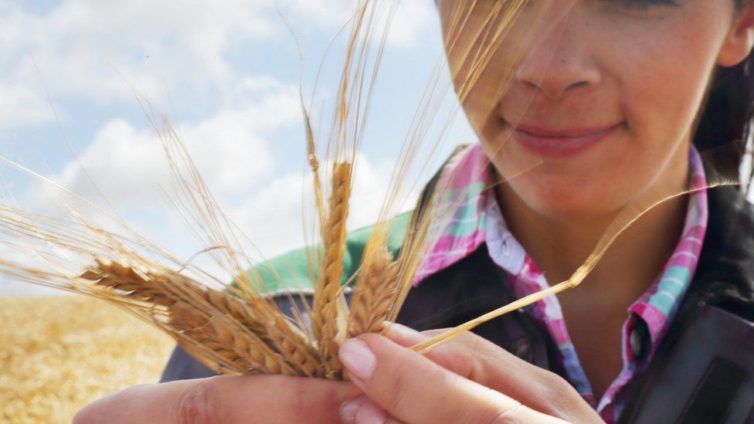
The price of wheat was one of the major contributors to this rise, up almost 40% in the last 12 months after major exporters - such as Canada, Russia and the US - had poor harvests.
"In the case of cereals, we're facing a situation where one could say it's climate change which is ultimately causing falling production," Peter Batt, an agribusiness expert at Curtin Business School told the BBC.
"We've had pretty bad years [of harvests] in a lot of places."
The FAO said its index of vegetable oil prices was pushed up by rises in the cost of palm, soy, sunflower and rapeseed oils.
In the case of palm oil, prices have been driven higher after output from Malaysia was "subdued" due to ongoing shortages of migrant workers, the FAO said.
Labour shortages are helping to push up the cost of production and transportation of food in other parts of the world too.
Mr Batt said: "The other problem that has emerged is getting the product out. For example, here in Australia we've had a lot of ships arrive to take the food away but we can't get crew to come in because of Covid."
Shipping disruptions are also pushing up milk prices, with the cost of dairy products rising by almost 16% over the last year.
Brigit Busicchia from Macquarie University said speculation on global markets is also contributing to price volatility: "Since the 1990s, the deregulation of commodity futures trading has made it possible for institutional investors to enter this market on a large scale."
This is having a particular impact on countries which rely on food imports.
"Expect countries like Egypt or other Middle Eastern countries to experience tensions in their provisioning of cereals," she said.
Ms Busicchia also highlighted that rising food prices are typically felt most acutely by the poor, as disadvantaged groups are pushed further into poverty and that this has the potential to heighten social and political tensions.
Latest Stories
-
Netherlands Fire Chief in Ghana to support fire safety reforms and market fire prevention efforts
2 hours -
Mason goes on remand for stealing
2 hours -
Gov’t cuts fuel taxes, deploys buses to curb impact of rising fuel prices
3 hours -
Interior Minister calls for intelligence-driven strategy as Ghana strengthens counter-terrorism efforts
3 hours -
Adenta Circuit Court remands Pastor William Gyimah over viral threats against Vice President
4 hours -
“We’ve implemented changes to prevent a repeat of the AFCON final” – CAF President Motsepe
4 hours -
Gov’t orders deployment of Metro Mass buses to cushion commuters amid fuel price hike
5 hours -
Key Indian state polls begin in test for Modi’s party
5 hours -
Playback: Gomoa Easter Carnival in photos
5 hours -
Gov’t orders removal of fuel taxes to ease pump price hikes
5 hours -
“Whatever the decision of CAS, we will respect it” – CAF President Motsepe after AFCON final meetings in Morocco
5 hours -
Emma Ankrah: When waiting becomes part of treatment – Reflections on hospital care
5 hours -
Ghana urges travellers to prepare for new EU border system roll-out
6 hours -
Mahama enforces fuel coupon ban for ministers as cabinet moves to slash fuel taxes
6 hours -
Task force probes strange fish deaths in Tema
6 hours