

Audio By Carbonatix
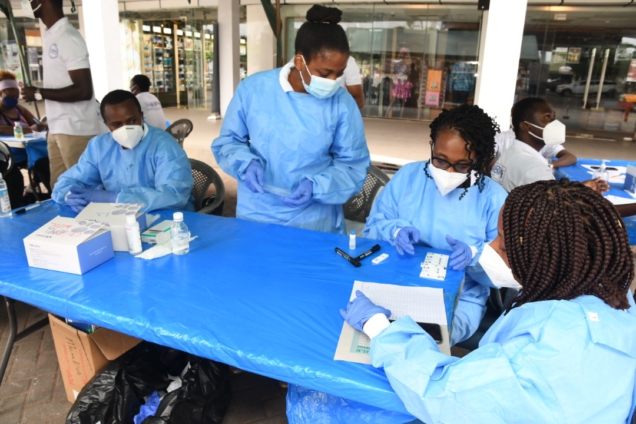
An international consortium of researchers has come together to better understand why COVID-19 was milder in some parts of the world.
Supported by £3.1 million from the Wellcome Trust, the newly-created WWW Consortium links three leading studies in West Africa, the West Indies, and West London, each tracking how both the virus and our immunity have evolved against COVID-19.
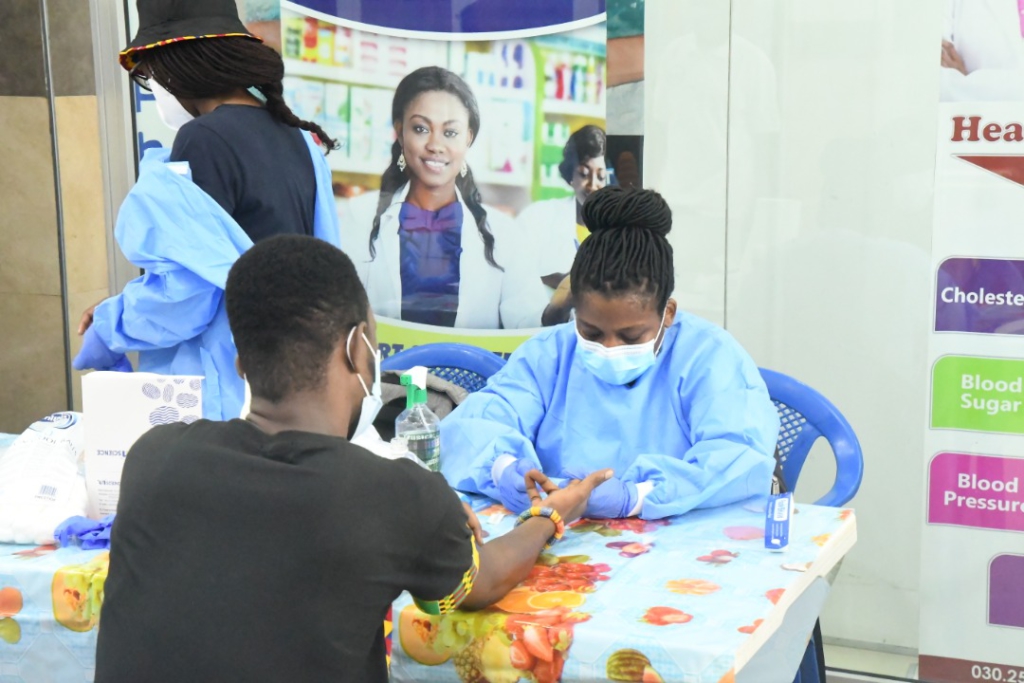
In order to better understand the factors impacting COVID-19 outcomes in these regions, researchers will compare prospective samples and data from vaccinated individuals.
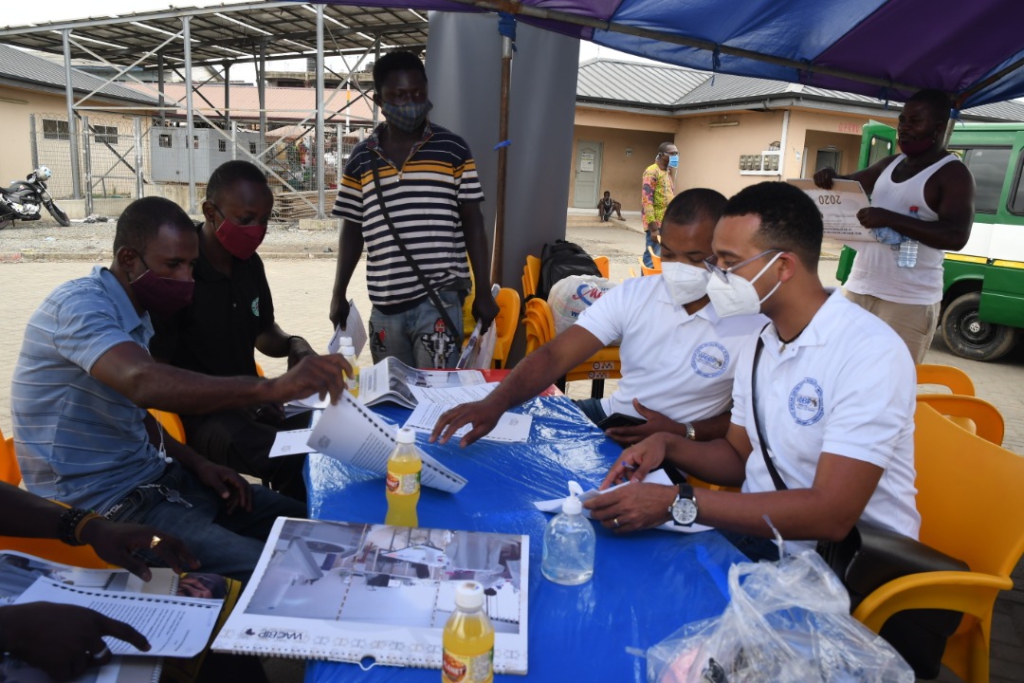
They will assess a variety of immune conditions and medical histories, including prior exposure to SARS-CoV-2, other human and animal coronaviruses, as well as other infectious diseases like malaria.
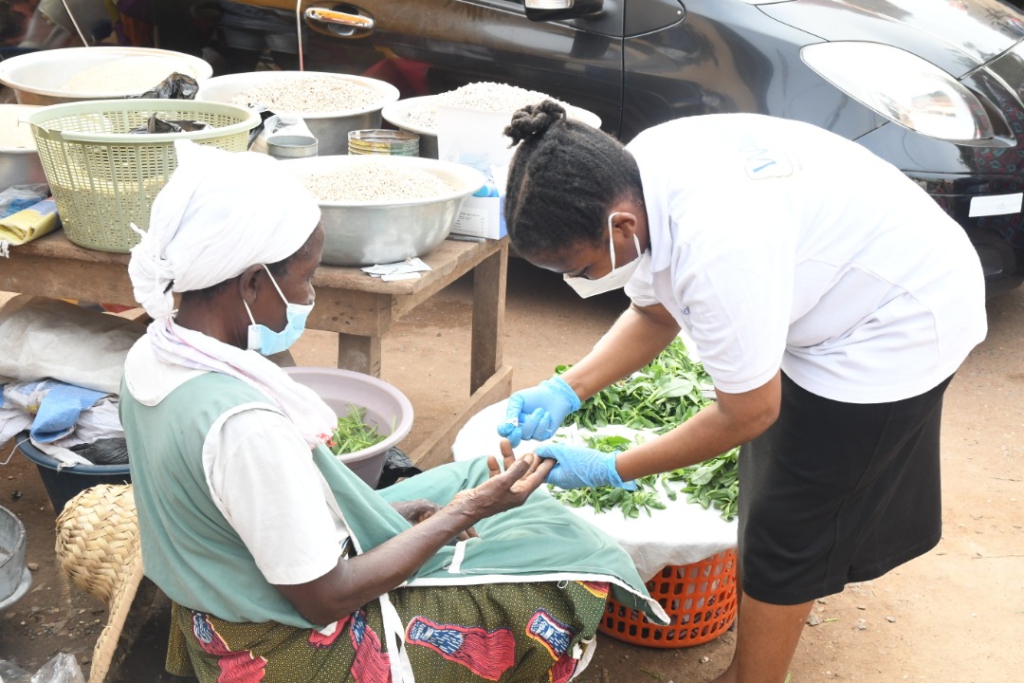
The consortium will provide evidence to help unpick patterns seen so far in different areas of the world. For example, West Africa experienced large undetected SARS-CoV-2 transmission, but with negligible impacts on mortality.
On the other hand, the trends observed in the West Indies were similar to the UK, despite countries like Jamaica having a much lower vaccination rate.
They hope their work will be useful in informing future pandemic response in regions currently underserved by both research and surveillance capacity.
David LV Bauer, who heads the RNA Virus Replication Laboratory at the Crick, will lead the consortium. He said: “While the initial pandemic response to SARS-CoV-2 is scaling down, ongoing research and monitoring will be essential to understand this virus, which will continue to evolve.
“We wanted to build a global consortium so that research and surveillance capacity continues to grow internationally.”
The consortium will strengthen research connections made during the pandemic, as virologists and public experts collaborated to piece together a picture of viral evolution globally.
The project also builds on the success of the Crick African Network (CAN), which established strong ties between African institutions and the Francis Crick Institute.
Emma Wall, UCLH Infectious Diseases consultant and Senior Clinical Research Fellow for the Legacy study at the Crick, said: “Connecting our London-based study with research projects in Africa and the West Indies will help us not only understand differences across countries, but also how to best protect people based on shared characteristics.
“And as SARS-CoV-2 continues to evolve, we will ensure we are prepared with excellent channels of communication and information sharing globally.”
Gordon Awandare, Director of the West African Centre for Cell Biology of Infectious Pathogens (WACCBIP) at the University of Ghana, said: “Pre-exposure to other infectious diseases like malaria is much more common in West Africa, and we think that this can increase the tolerance of the immune system.
“In some cases, this might be helpful, prepping the immune system for future infections and decreasing the chance of severe illness. But it might also mean that vaccines are less effective and we should consider designing vaccines for specific populations.”
Joshua Anzinger, Senior Lecturer of Virology at The University of the West Indies, said: “Vaccination rates are very low in Jamaica. The Windfall cohort includes individuals amongst the first to be vaccinated. Going forward we will be enrolling both unvaccinated and vaccinated individuals, and monitoring their immune responses to different variants.
“With increased sequencing capacity at our university’s Trinidad campus and more recently in Jamaica, we can now contribute a unique picture of immunity across the West Indies. Crucially we can now untangle the increasing complexity of individual responses to infection, and how these might influence population level immunity against future variants.”
Latest Stories
-
Several Ghana-bound vegetable trucks detained in Nigeria
25 minutes -
Black Sherif questions Wendy Shay’s absence in “Artiste of the Year” talks ahead of TGMA 2026
2 hours -
Government confirms arrival of 100 new buses to ease transport challenges
2 hours -
$600m tomato imports undermining Ghana’s economy — Chamber of Agribusiness
3 hours -
Rainstorm wreaks havoc: Faulty transformers, feeder failures leave parts of 3 regions without power
3 hours -
CUTS International calls for urgent competition law amid sachet water price hikes
4 hours -
‘I never did this advert’, AI clones hijack Ghanaian identities for profit
4 hours -
25-year-old woman battles trauma after surviving deadly Nkwanta attack
5 hours -
Vice President honoured at Tortsogbeza as South Tongu leaders highlight development needs
5 hours -
Kwahu Business Forum 2026: Corporate citizenship, sustaining African businesses take centre stage with KGL as the case study
6 hours -
Trump seeks $152m to reopen notorious Alcatraz prison
8 hours -
Ex-Chelsea player Oscar retires with heart issue
8 hours -
CA Foundation drives constitutional literacy in Kpone Katamanso municipality
8 hours -
GPRTU to hold talks with Transport Ministry over rising fuel costs
8 hours -
CUTS International urges gov’t to halt sachet water price hike pending cost review
9 hours