

Audio By Carbonatix
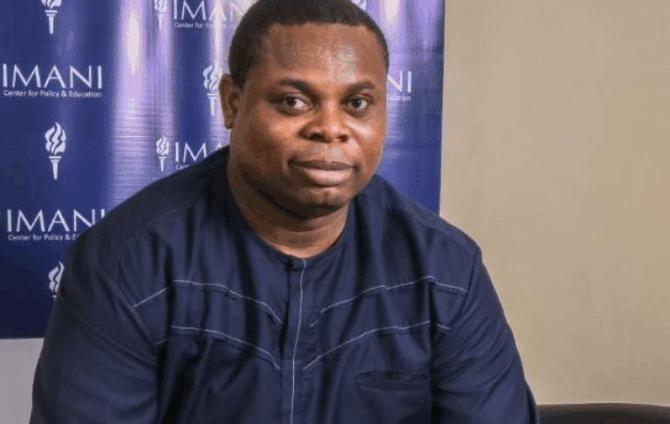
President of IMANI-Africa, Franklin Cudjoe, has commended the Ghana Gold Board (GoldBod), the Bank of Ghana (BoG), and the Ministry of Finance for applying lessons from previous initiatives to improve the implementation of the Gold-for-Oil and GoldBod programmes.
In a post on his social media account on Sunday, Mr. Cudjoe said it was evident that the current administration had made deliberate efforts to avoid repeating past mistakes associated with similar programmes.
“Having followed the Gold-for-Oil and GoldBod programmes, it is clear significant lessons have been learned by the current government in order not to repeat past mistakes,” he stated, adding that GoldBod, the Bank of Ghana, and the Finance Ministry “deserve enormous commendation.”
However, Mr. Cudjoe cautioned that the current structure of the GoldBod system makes transaction losses unavoidable, particularly due to currency conversion between dollars and cedis during gold purchases and sales.
According to him, while he understands why GoldBod may be reluctant to classify such losses on its books, given its intermediary role between the BoG and gold aggregators, these losses should still be recognised as transactional or trade losses.
“But they are losses—transactional or trade losses,” he stressed.
Mr. Cudjoe noted that the reported US$214 million loss in Gold-for-Reserves scheme is significant and warrants full disclosure to help the public understand how, when, and where the losses occurred, including details on buyers involved and the extent of losses per transaction.
He explained that transparency would serve two purposes by helping authorities minimise future losses and preventing potential manipulation or abuse of privileged information, commonly referred to as insider trading.
“I think the Bank of Ghana should provide answers to how the $214m loss happened and what they will do to minimise it in future transactions,” he said.
Mr. Cudjoe also expressed concern that the information about the losses only became public after it appeared in an International Monetary Fund (IMF) report.
“My worry though is that it had to take the IMF to receive this information and then publish it for us to be knocking our heads discussing what name to call it,” he remarked.
Latest Stories
-
Netherlands Fire Chief in Ghana to support fire safety reforms and market fire prevention efforts
34 minutes -
Mason goes on remand for stealing
36 minutes -
Gov’t cuts fuel taxes, deploys buses to curb impact of rising fuel prices
1 hour -
Interior Minister calls for intelligence-driven strategy as Ghana strengthens counter-terrorism efforts
1 hour -
Adenta Circuit Court remands Pastor William Gyimah over viral threats against Vice President
2 hours -
“We’ve implemented changes to prevent a repeat of the AFCON final” – CAF President Motsepe
2 hours -
Gov’t orders deployment of Metro Mass buses to cushion commuters amid fuel price hike
3 hours -
Key Indian state polls begin in test for Modi’s party
3 hours -
Playback: Gomoa Easter Carnival in photos
3 hours -
Gov’t orders removal of fuel taxes to ease pump price hikes
3 hours -
“Whatever the decision of CAS, we will respect it” – CAF President Motsepe after AFCON final meetings in Morocco
3 hours -
Emma Ankrah: When waiting becomes part of treatment – Reflections on hospital care
4 hours -
Ghana urges travellers to prepare for new EU border system roll-out
4 hours -
Mahama enforces fuel coupon ban for ministers as cabinet moves to slash fuel taxes
4 hours -
Task force probes strange fish deaths in Tema
4 hours