

Audio By Carbonatix
The government’s flagship poultry revitalisation programme, 'Nkoko Nkitinkiti' (Twi for small-scale poultry), is expanding into the education sector as part of efforts to improve nutrition under the School Feeding Programme.
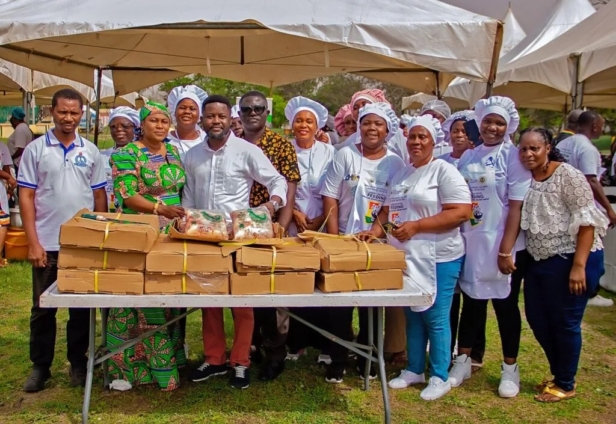
The initiative, which represents a national effort to restore food self-sufficiency, strengthen household resilience and create sustainable livelihoods, was featured at a nutritional workshop for school feeding caterers in the Greater Accra Region.
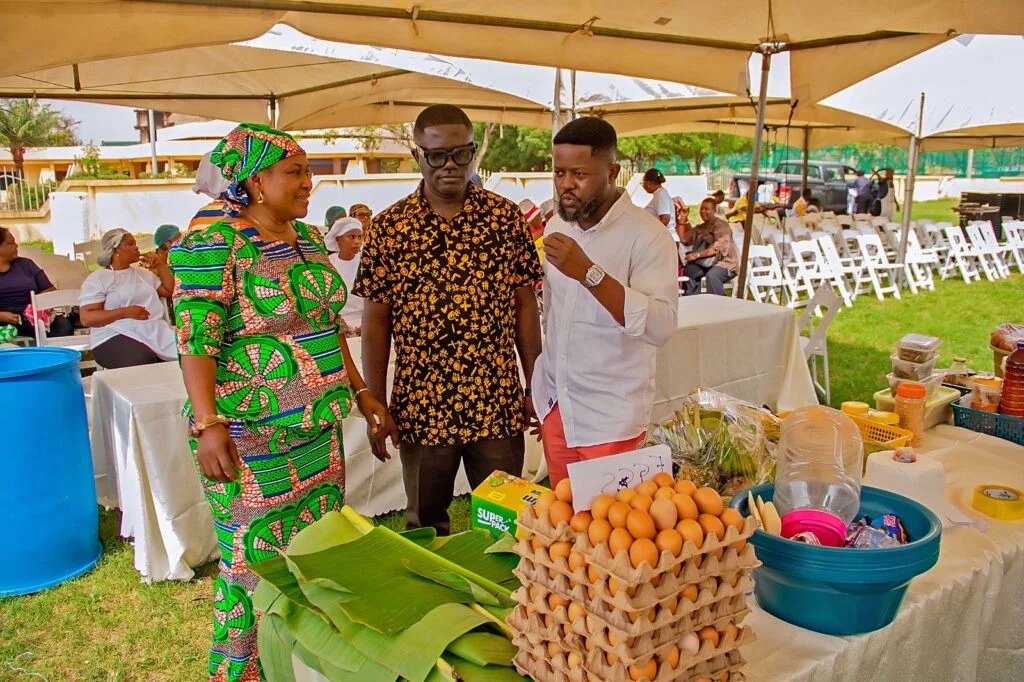
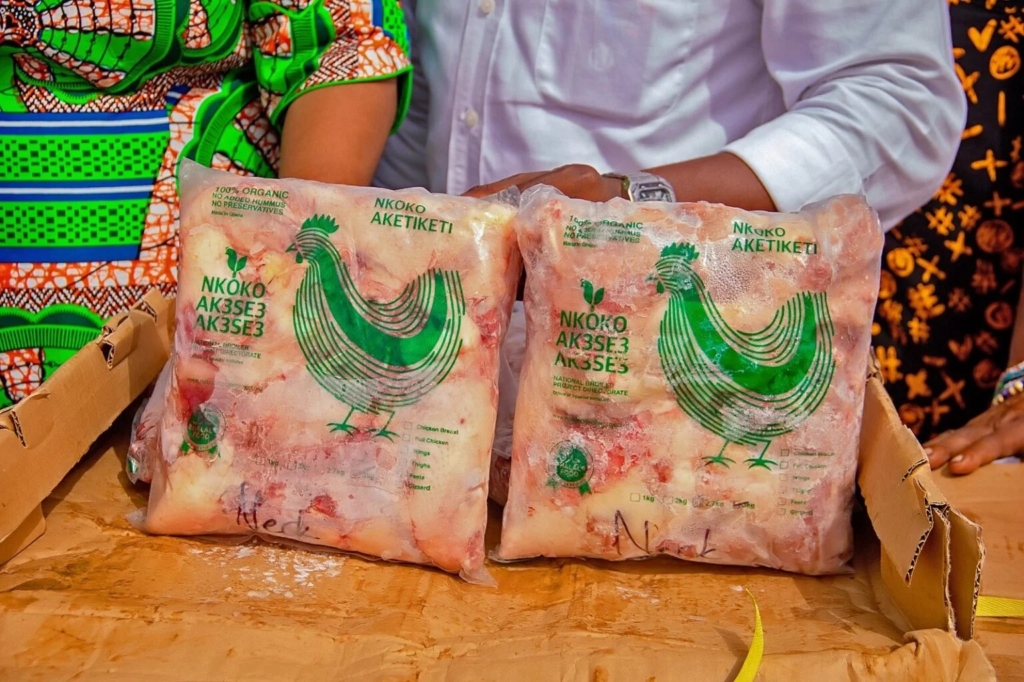
Officials from the National Broiler Project Secretariat at the Office of the Minister of State in Charge of Special Initiatives participated in the event, where chicken produced under the broiler redevelopment programme was supplied to caterers.
The move introduced participants to premium, locally produced chicken while demonstrating its versatility and superior quality for school meals.
Kelvin Ocran, National Coordinator and National Broiler Project Secretary at the Office of the Minister of State in Charge of Special Initiatives, said the programme prioritises children’s health by ensuring the supply of quality poultry products.
"We believe that healthy children start with healthy, locally sourced food. That’s why we were thrilled to join hands with the Greater Accra School Feeding Coordinator and the amazing cooks who fuel the future of our nation.”
Mr Ocran explained that the engagement forms part of a broader strategy to channel and supply schools with organic, healthy and locally produced chicken.
“By working directly with the school feeding programme, we are not only ensuring our children get the best nutrition but also empowering our local farmers and reducing our reliance on imported poultry.”
He further encouraged stakeholders to support the initiative, stressing that the programme seeks to build a sustainable future, one healthy meal at a time.
'Nkoko Nkitinkiti'
'Nkoko Nkitinkiti' is a flagship agricultural initiative launched by the Government of Ghana in November 2025.
Under the broader Feed Ghana Programme, it aims to revitalise the domestic poultry industry, improve food security, and reduce the country’s high annual expenditure (over $300 million) on imported chicken.
Key Objectives and Components:
- Import Reduction: Aims to cut down Ghana's massive chicken import bill and save foreign exchange.
- Job Creation: Targets economic empowerment for approximately 55,000 households and thousands of young people nationwide.
- Health and Safety: Promotes "fresh Ghanaian-grown chicken" over imported options that may use growth hormones or GMOs.
- Two-Pronged Approach:
- Anchor Farmer Programme: 50 commercial farmers aim to produce 4 million birds annually.
- Household Initiative: Distributed to everyday spaces like homes and schools, where individual households raise smaller batches of birds (e.g., 50–500 per year).
Implementation Details
- Beneficiary Support: Participants receive essential inputs, including day-old chicks, high-quality feed, and veterinary services.
- Infrastructure: The government is establishing Farmer Service Centres in agricultural districts and plans to build modern processing plants, such as one in Bechem, Bono Region.
- Current Progress: As of February 2026, the programme has begun distributing birds in regions like Ashanti, with targets to scale production to over 7 million chicks.
Latest Stories
-
Health Ministry engages Ga Mantse ahead of Free Primary Healthcare launch
6 minutes -
We can tackle multiple priorities – Sam George defends Anti-LGBTQ Bill push
41 minutes -
Statement: Ghana Chamber of Mines’ Response to Claims in Joe Jackson’s “Ananse Stories about the Economy of Ghana”
42 minutes -
GES opens 2026 teacher recruitment for licensed B.Ed graduates
45 minutes -
Ghana must value skilled trades, build resilient learners — Ibn Chambas
53 minutes -
Ghana must rethink education around relevance, resilience and responsibility — Ibn Chambas
56 minutes -
Prince Harry faces defamation lawsuit from charity he co-founded
58 minutes -
South Korea deploys thermal cameras to track escaped zoo wolf
59 minutes -
Calls for royal meeting with Epstein survivors grow ahead of US visit
1 hour -
Ibn Chambas advocates blend of technology and human values in education
1 hour -
UMA improves healthcare access in Asutifi North with GH₵700k ‘Kim Taylor Legacy’ Walkway
1 hour -
Scholarships Authority and Fanaka University offer sponsorship for procurement and supply chain studies
1 hour -
Bisa Kdei drops new single ‘Go N Look’ featuring Medikal
1 hour -
Benin facing rising terrorism in north as French military presence faces growing criticism
1 hour -
UEW Public Lecture Series 2026: Education debate ‘about the soul of Ghana’s future’ — Dr Ibn Chambas
1 hour