

Audio By Carbonatix
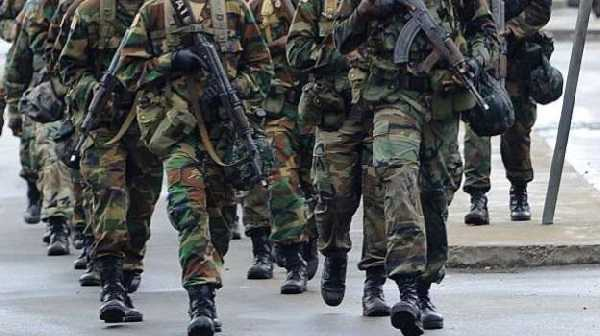
The National Service Authority (NSA) has announced a significant development in the forthcoming 2025/2026 national service cycle with the introduction of a six-week Basic Military Training (BMT) programme.
This initiative, which forms part of a broader strategy to enhance national cohesion and civic responsibility among graduates, will be rolled out on a limited scale during a pilot phase.
According to a statement released on Tuesday, June 17, a select number of graduates from the upcoming cohort will be deployed to participate in the pilot phase of the BMT programme.
The NSA emphasised that participation is voluntary, with interested applicants invited to express their interest during the standard online registration process.
The training, to be delivered in collaboration with the Ministry of Defence and other relevant agencies, is designed to equip young graduates with essential skills in discipline, resilience, and teamwork, while fostering a greater appreciation of national security imperatives.
According to the Authority, final postings to user agencies – where graduates typically serve in civil institutions, educational establishments, or healthcare settings – will only take place after the completion of the military orientation.
The NSA has assured that this phased approach will ensure that no participant forfeits their assigned work placement due to involvement in the BMT.
The NSA has reiterated that it will review outcomes from the pilot phase thoroughly before considering a wider rollout.
The NSA, on May 3, 2025, announced that it will pilot a military training programme for at least 10,000 National Service personnel beginning August 3, 2025, with plans to make it mandatory for all personnel starting next year.
The acting Director-General of the Authority, Felix Gyamfi, said in an interview with JoyNews on #GhanaConnect that the training will instill discipline, patriotism, and a readiness to support national development goals.
He stated that the training aims to prepare young people not just for emergencies and disaster response but also to combat societal challenges like illegal mining, poor sanitation, and environmental degradation.
This year, over 132,000 PIN codes have been issued for prospective national service personnel—a sharp decline from last year’s 176,000. The reduction follows improved data validation processes and the elimination of exaggerated institutional submissions.
More than 3,500 graduates from 22 tertiary institutions without valid accreditation have been disqualified from participating in the upcoming 2025/2026 national service programme, pending the regularisation of their schools’ status with the Ghana Tertiary Education Commission (GTEC).
Read Also: Over 3,500 graduates barred from National Service over unaccredited institutions
Latest Stories
-
Guggisberg Fiagbenu enters race for Central Tongu NPP Chairmanship in Volta region
4 minutes -
Today’s Front pages: Thursday, April 9, 2026
28 minutes -
“Black Stars have what it takes to win the World Cup” – Sports Minister Kofi Adams
54 minutes -
Bank of Ghana Governor to perform official tee-off at 3i Africa Invitational Tournament
1 hour -
Chamber of Bulk Oil Distributors urges caution amidst Special Prosecutor’s petroleum probe
1 hour -
NDC elections: Nat Tetteh eyes Eastern Regional Deputy Secretary position
2 hours -
Ablakwa highlights Ghana-France cooperation, praises Macron on reparatory justice
2 hours -
Protect people, not prices – Joe Jackson rejects fuel tax cuts and subsidies
2 hours -
Finance Ministry, BoG clarify false claims about Databank’s bond market specialist status
2 hours -
Lawyer petitions President to halt Terminal 2 refurbishment over value-for-money concerns
2 hours -
Sunyani Market traders urge government action amid surging ginger prices
2 hours -
Maphlix Farms to supply 3,000 tonnes to help bridge tomato deficit
2 hours -
Ho MP urges public access to officials’ asset declarations
3 hours -
Ecowas Bank for Investment and Development targets SMEs in Ghana with fresh funding for 2026
3 hours -
Two killed in Bosomtwe clash as residents demand increased security presence
3 hours