

Audio By Carbonatix
The government has announced plans to recruit 550 Arabic teachers over the next several months to help address the critical shortage of instructors in Islamic schools across the country.
The first batch of 50 teachers is expected to be recruited by the end of July, while an additional 500 permanent Arabic teachers will be employed through the Ghana Education Service in January 2027.
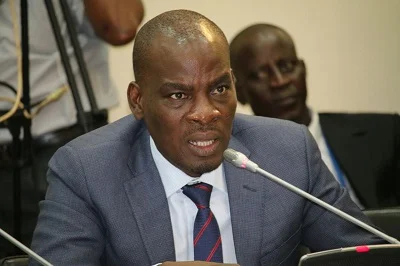
The announcement was made by the Minister for Education, Haruna Iddrisu, during a meeting in Accra with a delegation from the Conference of Regional Chief Imams.
According to a statement issued by the Conference and copied to the Ghana News Agency, the Minister assured the delegation of the government's commitment to strengthening Islamic education and improving teaching and learning in Islamic basic schools.
He also reaffirmed the government's readiness to work closely with the Conference of Regional Chief Imams and the Islamic Education Unit to improve access to quality Islamic education nationwide, while commending the Conference for its continued engagement with the government on issues affecting the Muslim community.
The delegation was led by the Chairman of the Conference of Regional Chief Imams, Sheikh Abdul Rashid Iddi, and included Regional Imams of Ahlussunna Wal-Jama'a, Regional Imams of the Ghana Muslim Mission, representatives of the Islamic Education Unit, and officials from the Office of the National Chief Imam.
Explaining the purpose of the visit, Sheikh Rear Admiral Muniru Tahiru (Rtd) said the meeting was initiated at the request of the National Chief Imam, Sheikh Dr Osman Nuhu Sharubutu, over growing concerns about the shortage of Arabic teachers and its impact on the quality of Islamic education in Ghana.
During the discussions, General Manager of the Islamic Education Unit, Abdul Karim Bapuni, disclosed that Ghana currently has 1,299 Islamic basic schools but requires about 3,033 Arabic teachers to adequately serve pupils.
He revealed that only 706 Arabic teachers are currently on the government payroll, leaving a nationwide deficit of about 2,512 teachers. Mr Bapuni also highlighted other challenges confronting Islamic schools, including the absence of a standardised Arabic curriculum and textbooks at the primary level, inadequate resources for monitoring and supervision, and poor office infrastructure, all of which continue to affect educational standards and learning outcomes.
Latest Stories
-
Techiman unites against child marriage: Joy Impact Makers Awardee leads charge on International Day of the Girl Child
10 minutes -
Ghana Psychological Association calls for greater involvement of people with lived experience in mental health care
1 hour -
Ablakwa says Ghana could evacuate more citizens from South Africa if the situation worsens
2 hours -
Violence against girls must be tackled through individual responsibility – Gender advocate
2 hours -
Ghana’s BRICS bid must be guided by national interest – International Affairs Analyst
2 hours -
Journalists look back on a decade of breast cancer reporting in Ghana
3 hours -
President Mahama ends Resetting Ghana tour of Ahafo Region
5 hours -
African negotiators seek delivery of climate commitments at COP31
5 hours -
BoG develops AI rules for financial sector
5 hours -
‘Big Push’: Government assures contractors of prompt payments
5 hours -
Court fines miner for breaking into gold buying shop
5 hours -
Tarkwa court jails labourer for three years over GH¢123,000 theft
6 hours -
GAEC must retain nuclear scientists for Ghana’s nuclear ambitions – Minister
6 hours -
Man reportedly mistaken for game and shot by hunter dead in forest
6 hours -
19-year-old mason jailed 15 years for defiling seven-year-old pupil
6 hours