

Audio By Carbonatix
Ghana’s 2026 Budget has placed renewed emphasis on capital expenditure, with strategic allocations aimed at revitalising infrastructure and boosting the energy sector to support industrialisation and the government’s 24-hour economy initiative.
According to the budget document, total expenditure for 2026 is projected at GH¢302.5 billion, representing 18.9% of GDP, with a significant portion dedicated to capital projects under the Big Push Infrastructure Programme and energy sector reforms.
The government has earmarked GH¢30 billion for the Big Push Programme, which will fund strategic road and bridge construction across the country.
Key projects include the Accra–Kumasi Expressway, designed to reduce travel time by 50% and create over 30,000 jobs, and the Adawso–Ekye Amanfrom Bridge, expected to unlock the agricultural potential of the Afram Plains.
“The Big Push is not just an infrastructure drive, it is a nation-building vision,” the Finance Minister noted. “We are connecting people, markets, and opportunities to ensure growth is shared across every region.”
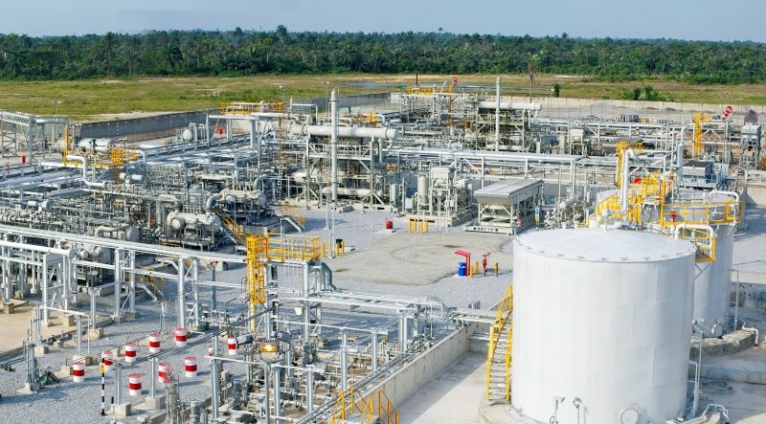
In the energy sector, the government is prioritising affordable and reliable power supply through gas-to-power reforms, renewable expansion, and rural electrification.
An allocation of GH¢15.2 billion has been made for energy sector shortfall payments, alongside GH¢4.8 billion for clearing legacy Independent Power Producer (IPP) debts.
Additionally, GH¢2 billion has been set aside for the Rural Electricity Acceleration and Urban Intensification Initiative, which aims to expand nationwide access to electricity.
Energy initiatives also include new gas supply agreements with ENI and Jubilee partners, projected to add over 150 million standard cubic feet of gas per day, while transitioning from light crude oil to natural gas to cut power generation costs by up to 75%.
Overall, the 2026 Budget reflects a deliberate shift toward productive and growth-enhancing investments, positioning infrastructure and energy as the backbone of Ghana’s economic transformation agenda.
“Every cedi borrowed will deliver value, every repayment will build confidence, and every reform will secure Ghana’s fiscal future,” the Finance Minister affirmed, reinforcing the government’s commitment to fiscal prudence and sustainable development.
Latest Stories
-
Gov’t to establish Prison Industrial Hub to equip inmates with income-generating skills – Prison Service boss
12 minutes -
Alhassan Tampuli donates cement, roofing sheets to support storm victims in Gushegu
13 minutes -
Alhassan Tampuli appeals for urgent support for storm victims in Gushegu
16 minutes -
The hypocrisy must stop; pass Anti-LGBTQ+ Bill now – Alhassan Tampuli to Mahama
19 minutes -
Imprisonment should be rehabilitative, not punitive – Ghana Prisons boss at UNGA
41 minutes -
Ga Adangbe traditional priests petition Mahama over McDan aviation licence revocation
53 minutes -
Anti-LGBTQ Bill: NDC’s arrogance is worrying – Hassan Tampuli
1 hour -
Let’s give OSP time to mature, not to scrap it – Hassan Tampuli
1 hour -
Nigeria convicts 386 Islamist militants in mass trials
1 hour -
Djibouti president wins election with 97.8% of vote, state media says
1 hour -
We don’t have mandate to deduct tax from rent allowance of security services personnel – Interior Ministry clarifies
2 hours -
Ablakwa receives Presidential Special Envoy on Reparations to advance global agenda
2 hours -
Christina Koch becomes first woman to travel around the moon on Artemis II
2 hours -
Epstein survivors’ calls to meet King Charles and Queen harder to ignore as US visit approaches
2 hours -
UN Secretary-General names Ghana’s Anita Kiki Gbeho as South Sudan envoy
2 hours