

Audio By Carbonatix
Janet Nyane, a 25-year-old resident of Manhean in Accra, is among many women in Ghana whose entrepreneurial potential has been limited by a lack of access to opportunities and resources.
Like several women in her community, Janet, a skilled seamstress, faced the harsh reality of struggling to sustain her family due to a lack of business knowledge and limited market access for her products.
When I learned how to sew, I thought it would be my way out of poverty, but I ended up at home with no orders coming in, Janet shared. I wanted to do something meaningful, something that could help not just my family, but my whole community.
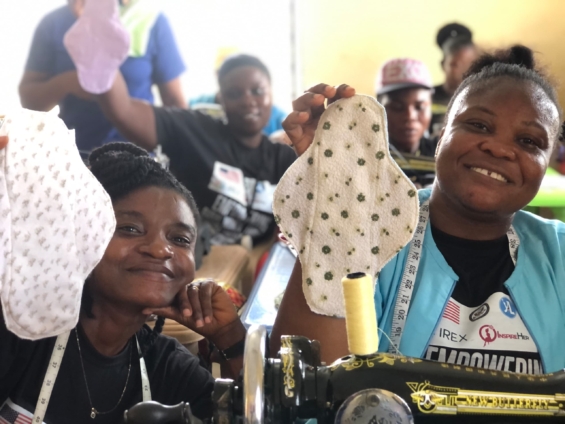
Janet’s story took a transformative turn when she joined the Enterprise Training Program, a six-day initiative sponsored by the LINC grant and implemented by IREX. The programme, which took place from October 7 to 12, 2024, empowered 20 women with basic sewing skills to produce reusable sanitary pads while equipping them with essential business management skills.
The initiative also addressed the pressing issue of period poverty, which affects many women and girls in Ghana and across sub-Saharan Africa.
The training was led by two Mandela Washington Fellows: Sandra Boakye of Inspire Her Ghana and Chekwube Christabel Iheanacho of the Fearless Girls Initiative in Nigeria. Recognising period poverty as a significant challenge in their communities, the fellows collaborated to create solutions that address the issue while also empowering women economically.
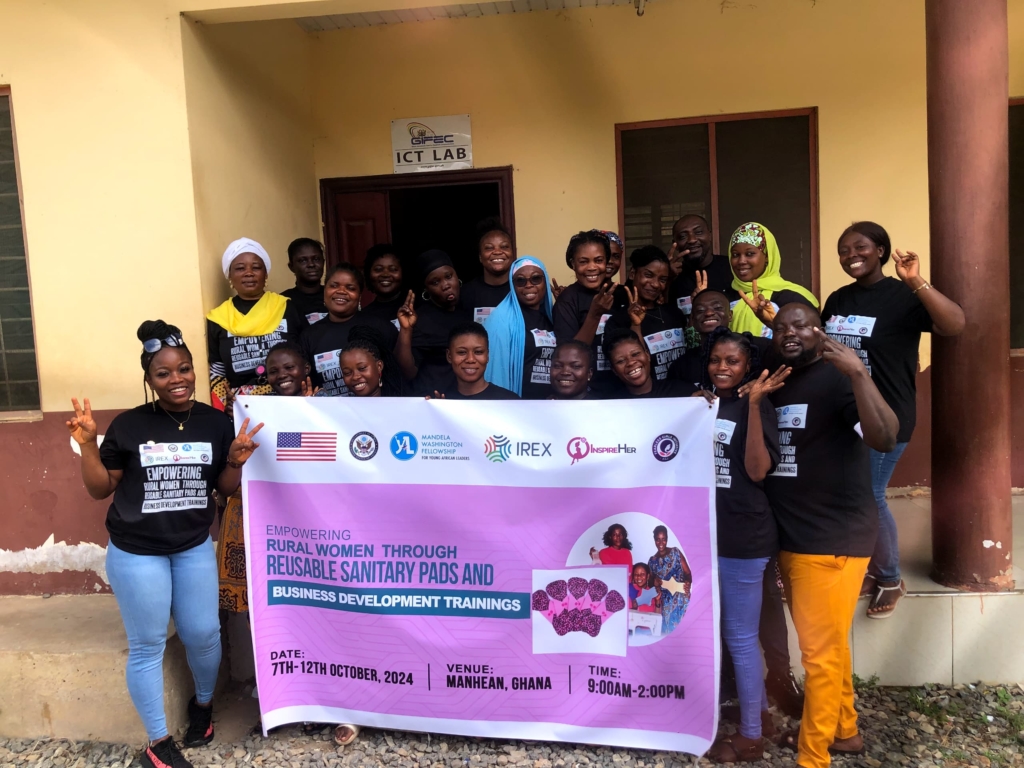
“Period poverty is a big issue in our communities, and we saw an opportunity to combine social entrepreneurship with practical solutions,” Sandra Boakye explained. “We wanted to empower women like Janet to not only support themselves but also make a difference in their communities.”
Christabel Iheanacho added, “Through this programme we’re not just addressing period poverty here in Ghana, but I’ve also gained valuable insights to replicate these solutions back in Nigeria. Social entrepreneurship is a powerful tool for creating jobs while solving social problems.”
Participants received hands-on training in producing high-quality, reusable sanitary pads, alongside lessons in market analysis, pricing strategies, branding, and financial management.
Janet reflected on how this transformed her approach: Before, I was just making things and hoping someone would buy. Now I know how to price my products, reach customers, and make my business sustainable.
As part of the programme, Janet and her peers were provided with two sewing machines and materials to kickstart their businesses. This provision ensures they have the tools to immediately apply their skills and scale their enterprises.
Janet expressed her gratitude and ambition: This programme has given me the tools and confidence I needed. I want to hire other women and teach them what I’ve learned so we can grow together.
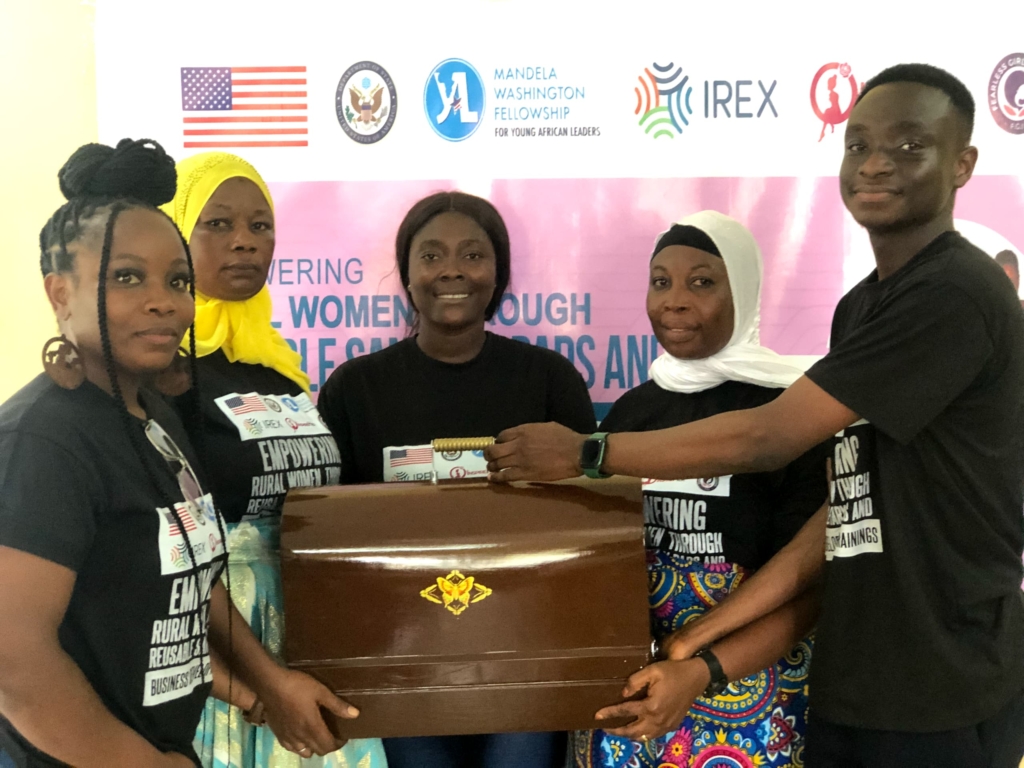
Sandra and Chekwube’s mentorship played a pivotal role in inspiring the participants. “We believe in creating ripple effects,” Sandra remarked. “When one woman is empowered, it can change an entire community.”
Chekwube added, “I am excited to return to Nigeria and implement similar programmes. The success stories from this initiative are proof that we can make a difference.”
Janet now envisions her business as a platform to support other women while tackling period poverty in her community. This isn’t just about me, she said, It’s about creating a movement of women who support each other and build sustainable businesses together.
According to the World Bank, women’s economic participation is critical to breaking cycles of poverty in sub-Saharan Africa. With only 56% of women in the region participating in the labour force compared to 79% of men, initiatives like the Enterprise Training Program are not only equipping women with the tools to succeed but also sparking broader societal transformation.
Looking ahead, Janet plans to expand her business and make reusable pads affordable and accessible to women in need. This programme has given me hope, and I believe it’s just the beginning, she said.
Latest Stories
-
Swift response saves lives as GNFS quenches 2 fires in Accra
37 minutes -
Phenomenal start, fragile future – IMANI raises sustainability worries on Mahama’s performance
1 hour -
Another bus smuggling over 1000 ammunition to northern Ghana from Accra intercepted
2 hours -
Safe hands on the purse – Franklin Cudjoe on why Mahama’s return feels different
2 hours -
What we know about the facility holding Ken Ofori-Atta
2 hours -
When policy credibility is tested: Gold, the cedi, and the cost of short term wins
3 hours -
Discipline, not politics, is powering Mahama’s second coming – Franklin Cudjoe
3 hours -
Bawumia and the policy of centralised gold progressing centres
3 hours -
Big freeze causes travel chaos across western Europe
3 hours -
US will control Venezuela oil sales ‘indefinitely’, official says
5 hours -
Trump backs ban on institutional investor home purchases
5 hours -
US immigration agent fatally shoots woman in Minneapolis, officials say
5 hours -
Battle of the Sexes ‘brought eyes on tennis’
6 hours -
Villa thwarted as Palace hold Emery’s high-flyers
6 hours -
Antoine Semenyo’s late stunner helps Bournemouth sink Spurs
6 hours