

Audio By Carbonatix
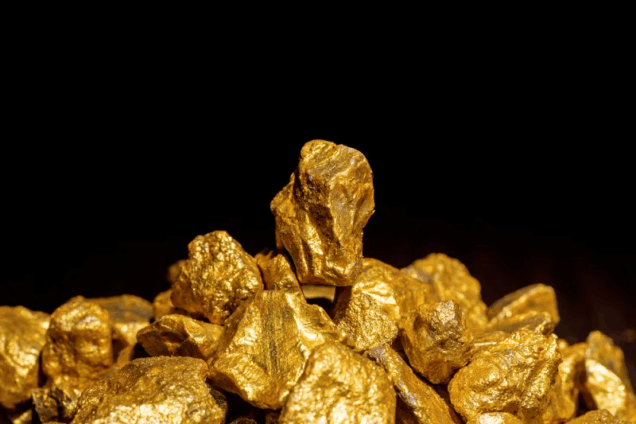
Ghana’s economy is experiencing an unusual moment of relief and the lifeline is not cocoa or oil, it is gold. As global prices of the precious metal surged throughout 2025, Ghana unexpectedly found itself riding a mineral boom that has strengthened the cedi, boosted export earnings, and bolstered international reserves.
New data from the Bank of Ghana reveals that international gold prices rose from $2,641 per ounce in December 2024 to$4,054 in October 2025, representing a remarkable 53.5% surge. Realized prices, what Ghana actually receives, increased by 55.9% over the same period. This price increment transformed the country’s external accounts. Gold export earnings jumped from $10.3 billion at the end of 2024 to $15.2 billion by October 2025, making gold the dominant export, accounting for more than 65% of total receipts.
The contrast with cocoa, Ghana’s traditional economic backbone, is stark. International cocoa prices declined by 43.8% between December 2024 and October 2025, raising concerns about its sustainability and long-term export stability. Yet cocoa export earnings increased from US$1.9 billion to US$2.8 billion, a 45.36% rise and formed 12% of Ghana’s export revenue.
Understanding global commodity prices is critical because they directly determine how much foreign exchange Ghana earns. Higher export prices translate into increased revenues, which strengthen international reserves and, in turn, help stabilize the cedi. That dynamic has been clearly visible in 2025. The gold price boom injected substantial foreign exchange into the economy, easing pressure on the currency market and improving external balances.
The cedi, which closed 2024 at GH¢14.70 to the US dollar, appreciated to GH¢11.12 by November 2025, marking a rare 32.2% recovery.This appreciation coincided closely with the surge in gold export earnings and rising reserves. By September 2025, gross international reserves had increased to US$11.6 billion, providing a much-needed buffer against external shocks.
However, this gold-led relief comes with risks. Gold is among the world’s most volatile commodities, driven more by global geopolitical tensions, investor sentiment, and shifts in interest rates than by Ghana’s domestic economic fundamentals. A change in global risk appetite could cause prices to fall as sharply as they rose. Should that occur, Ghana’s export earnings, reserve position, and recent currency stability could quickly unravel.
Beyond macroeconomic risks, the environmental and social costs are mounting. Elevated gold prices appear to be intensifying illegal mining activities, commonly known as galamsey, which increasingly encroach on cocoa-growing areas. Rivers, farmlands, and forest reserves continue to suffer degradation as enforcement struggles to keep pace with the scale of illicit operations.
The current gold windfall therefore presents Ghana with a narrow but critical window of opportunity. It offers the fiscal and external breathing space needed to rebuild buffers, invest in economic diversification, and strengthen regulation across both the mining and agricultural sectors.
If underlying structural weaknesses remain unaddressed, this golden moment may ultimately be remembered not as a turning point, but as a temporary reprieve.
Latest Stories
-
Berekum Chelsea edge Aduana FC in Bono derby to boost survival hopes
1 hour -
‘They can’t control the team’ – Ernest Thompson doubts local coaches for Black Stars role
2 hours -
Ghana-born midfielder Seidu realises ‘dream’ with Atlético Madrid debut
2 hours -
GPL 2025/26: Bubakari strikes late to hand All Blacks vital win over Dreams FC
2 hours -
Fatal crash on Kintampo–Tamale highway claims four lives
2 hours -
2025–26 FA Cup Semifinal Draw: Chelsea, Man City Learn Wembley Opponents
2 hours -
GPL 25/26: Gold Stars back on top after beating Nations FC
3 hours -
GPL 2025/26: Heart of Lions roar back with victory over Vision FC in Kpando
4 hours -
Solomon Agbasi: Hearts keeper in stable condition after concussion
4 hours -
GPL 2025/26: Late Salim Adams penalty earns Medeama draw at Bechem
4 hours -
Hearts pip Young Apostles 1-0 to end 5-game winless run
4 hours -
Boakye Agyarko marks Easter Sunday with a call for Godly leadership ahead of nationwide campaign tour
5 hours -
Pepsi withdraws as UK festival sponsor after Kanye West backlash
5 hours -
Pope Leo calls for global leaders to choose peace in his first Easter Mass
5 hours -
Kpando MP highlights progress on road projects
6 hours