

Audio By Carbonatix
Huawei hosted the TECH4ALL Education Global Online Summit on Thursday, August 11.
Officials and experts at the summit explored how digital technologies will transform today’s education systems into a more inclusive and innovative paradigm, democratise access to education resources, and build-in systemic resilience to external factors like the pandemic.
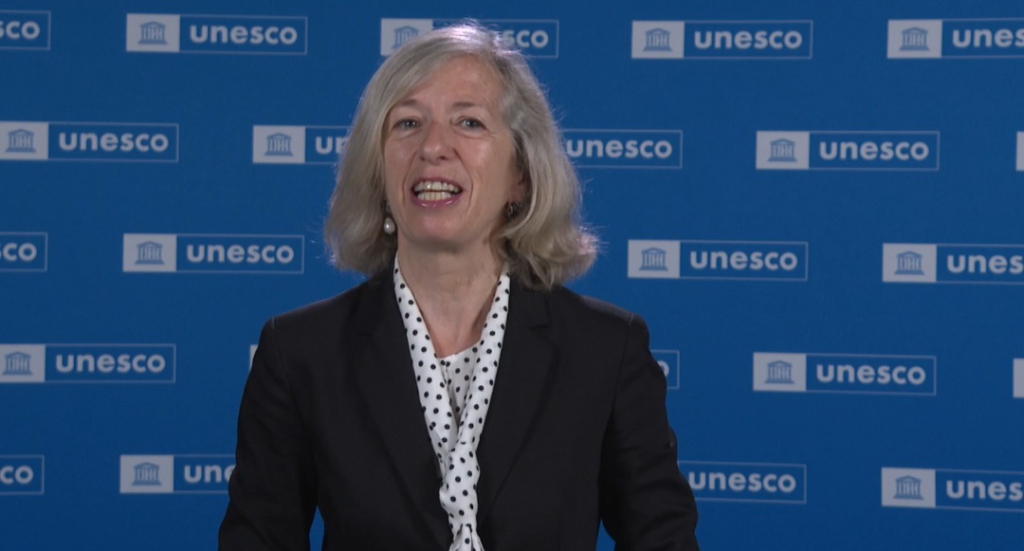
“Technology can play a critical and catalytic role in transforming education,” said Stefania Giannini, Assistant Director-General for Education for UNESCO.
“We need to use technology to ensure connectivity for all; build free, public digital learning content and platforms; and focus on how technology can enhance innovation and change in teaching methodologies.”
Underpinned by connectivity, digital skills, and digital platforms, the transformation of the education sector is gathering momentum.
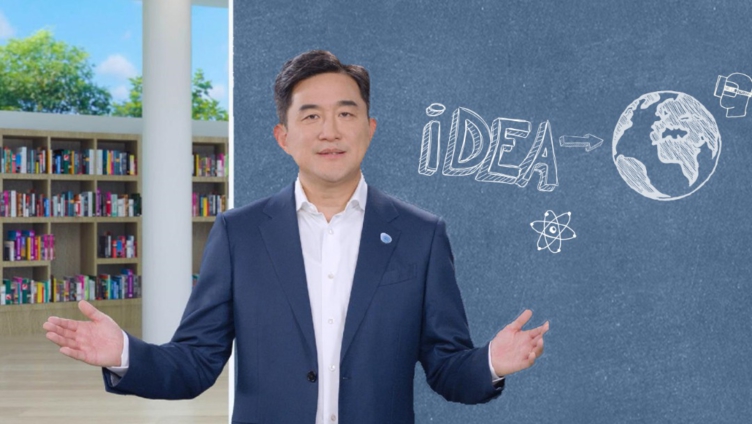
“Technology truly has the power to transform education for everyone,” said Kevin Zhang, CMO of ICT Infrastructure for Huawei. “We are doing this in three ways: connecting schools, promoting digital skills, and supporting STEAM curriculum.”
Strategies that prioritize blended learning are already in play where schools are no longer just physical venues for learning, with educational approaches shifting to prepare today’s students for tomorrow’s world. One UNESCO program that leverages technology and a transformational approach is Technology-enabled Open Schools for All (TeOSS). Supported by Huawei and developed in close collaboration with the MOEs of Ghana, Ethiopia, and Egypt, the three-year project aims to benefit students and teachers in the three African nations and set the foundation for innovative education systems that seamlessly connect school and home learning in online and offline scenarios to maximize inclusion.
“It is a project we are very much excited about,” said John Ntim Fordjour, Deputy Minister of Education of Ghana. “The purpose is to provide reliable connectivity for all schools at the pre-tertiary level. Future educational technology will advance the quality of education and even the ways we teach and learn.”
In Kenya, connecting schools, boosting digital literacy, and providing teachers and students with digital devices is a key priority. Successful completion of phase one of the DigiSchool project, for example, saw 13 schools connected, with more than 6,000 students benefiting.
“The Ministry of ICT, the Ministry of Education, UNESCO, and Huawei formed a collaborative initiative to provide sustainable Internet connectivity. Ensuring no child is left behind is the driving force behind this project,” said Martin Kungania, Deputy Director, Education National Coordinator for Kenya’s Digital Literacy Programme.
Experts from WeTechCare and the Bandung Institute of Technology described progress with the France DigiTruck and Huawei ICT Academy.
In France, 35% of people cannot fully utilise digital tools due to a range of challenges. The DigiTruck – a solar-powered mobile classroom converted from a used shipping container – aims to help address this by providing free training in digital skills, targeting unemployed young people and older citizens.
Continuing the theme of skills development, the discussion on the Huawei ICT Academy centred on the value of developing students’ ICT skills to cultivate the next generation of tech talent – a critical need given the current estimated global shortage of 200 million ICT professionals.
Looking to the future and at how education will evolve, speakers from the National University of Singapore, Pimax Technologies, and Huawei explored how ICT infrastructure and nascent technologies such as AI, VR, and the metaverse will revolutionize the teaching and learning space, reshaping subjects like geography and history with a truly immersive experience that will enable students to virtually travel through time and space.
Latest Stories
-
Ga Adangbe traditional priests petition Mahama over McDan aviation licence revocation
2 minutes -
Anti-LGBTQ Bill: NDC’s arrogance is worrying – Hassan Tampuli
13 minutes -
Let’s give OSP time to mature, not to scrap it – Hassan Tampuli
16 minutes -
Nigeria convicts 386 Islamist militants in mass trials
22 minutes -
Djibouti president wins election with 97.8% of vote, state media says
26 minutes -
We don’t have mandate to deduct tax from rent allowance of security services personnel – Interior Ministry clarifies
40 minutes -
Ablakwa receives Presidential Special Envoy on Reparations to advance global agenda
58 minutes -
Christina Koch becomes first woman to travel around the moon on Artemis II
1 hour -
Epstein survivors’ calls to meet King Charles and Queen harder to ignore as US visit approaches
1 hour -
UN Secretary-General names Ghana’s Anita Kiki Gbeho as South Sudan envoy
1 hour -
Mali withdraws recognition of Sahrawi Republic, backs Morocco’s autonomy plan
1 hour -
Gov’t distributes over 8,500 laptops to One Million Coders project
1 hour -
Julius Debrah, ‘man to beat’ as NDC’s James Agbey dismisses Musah Dankwah’s polls
1 hour -
GPRTU in Savannah Region to protest alleged eviction in Damongo
2 hours -
Re: Reinsurance does not replace process — A response to the SIGA–SIC defence
2 hours