

Audio By Carbonatix
Indigenous communities have vital knowledge about the local ecology which needs to be harnessed to preserve biodiversity and promote a balance in the ecosystem.
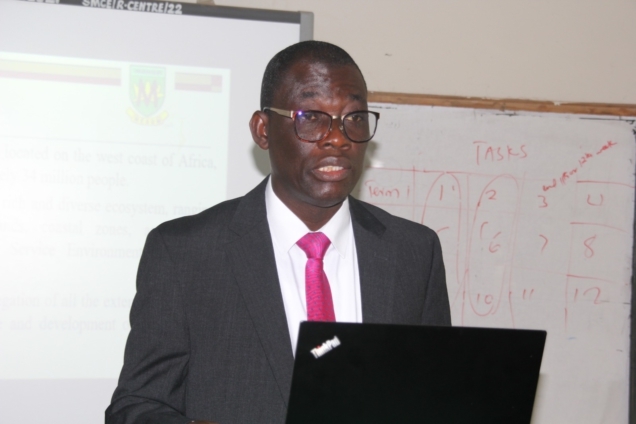
According to the Principal of St. Monica's College of Education, Dr. David Okyere Korankye, any endeavour to remedy the problem of environmental degradation will be ineffective unless adequate alternative livelihoods are provided.
Speaking at a public lecture at St. Monica's College of Education on environmental degradation in Ghana, Dr. Korankye said he believes indigenous people provide strong communal systems for managing natural resources, including forests and water bodies.
“Sustainable and viable alternative livelihood; I am poor and at the same time hungry – I want to eat so when you are telling me that I should not do galamsey - I should not cut down trees for firewood then what alternative are you putting there for me?” Dr. Korankye asked.
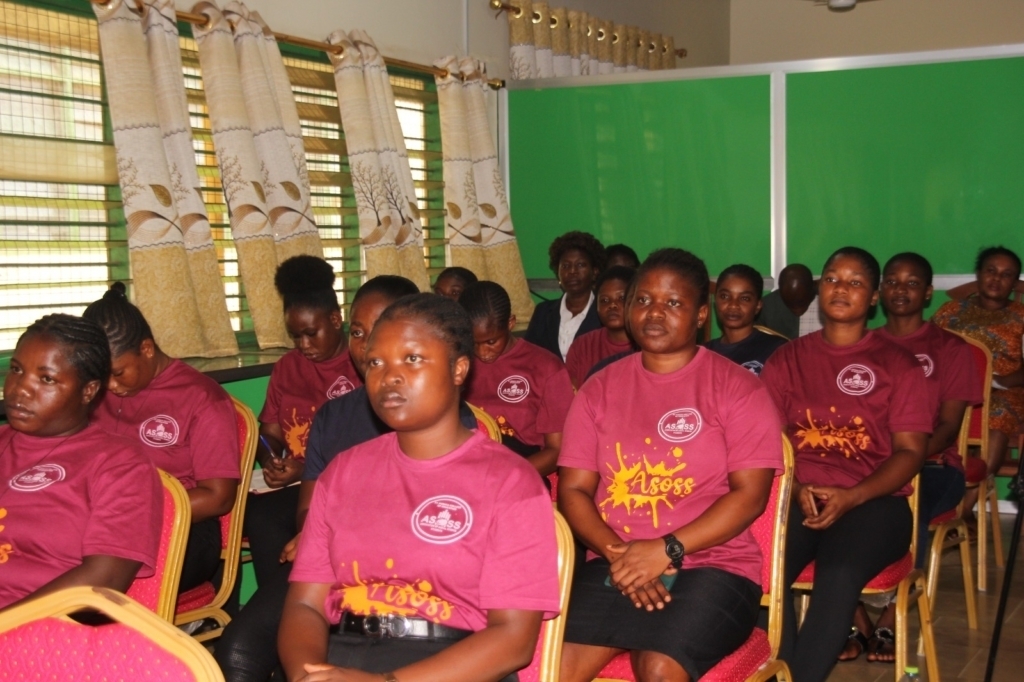
He believes the government should give significant consideration to the country's job predicament.
“When you go to these galamsey sites, they are mostly young people and their minds are that they want what they will eat – nothing else. So if you want to stop them, then you have to provide alternatives,” he added.
According to him, indigenous knowledge in plant and animal species, habitats and relationships needs to be harnessed to preserve biodiversity.
He said incorporating local decision-making processes and empowering traditional leaders remain essential in sustainable land and resource management.
Dr. Korankye further stated that traditional ecological knowledge can be used to guide the selection and sustainable harvesting of medicinal plants, the preservation of sacred forests and biodiversity hotspots, and the preservation of traditional seeds and crop varieties.
The Principal noted that indigenous communities have developed effective methods for water conservation and management.
He believes traditional rainwater harvesting techniques, such as building small reservoirs and underground storage systems, can help capture and store water during the rainy season for use during the dry season.
Indigenous groups in Ghana have been actively participating in community-based conservation activities for many years.
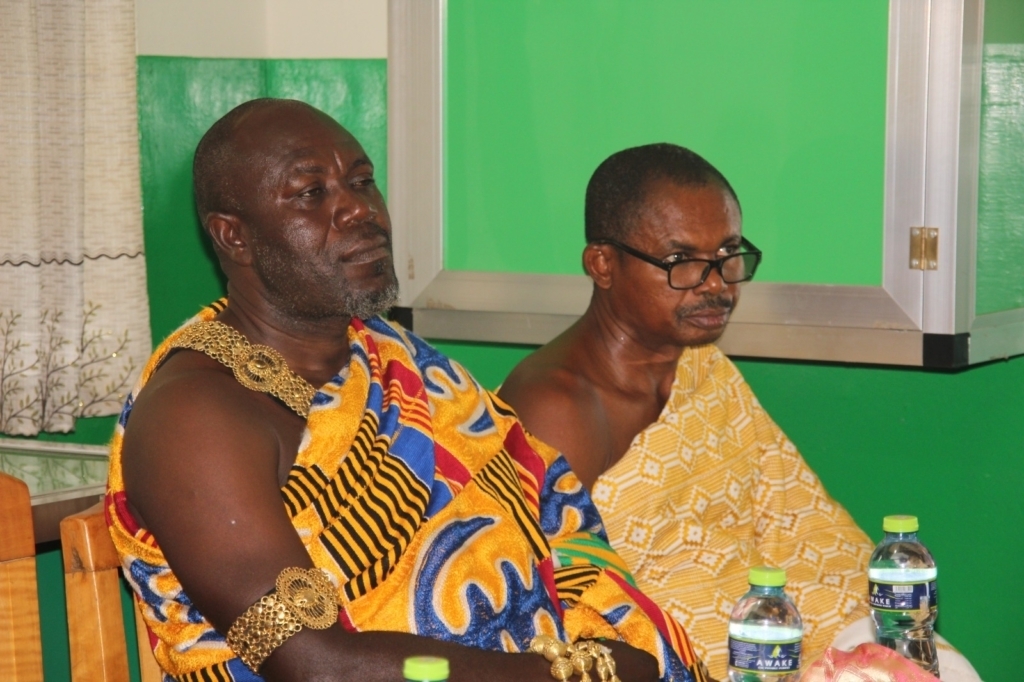
They create community-managed protected areas, wildlife sanctuaries, and sustainable hunting and fishing techniques. These projects not only conserve biodiversity but also give economic opportunities for communities through eco-tourism and sustainable resource utilisation.
According to Dr. Korankye, it is critical to recognise and appreciate indigenous knowledge and practices in combating environmental degradation in Ghana.
Environmental deterioration has far-reaching consequences in Ghana, affecting various facets of the country's socioeconomic growth.
It has resulted in biodiversity loss, with many plant and animal species nearing extinction.
The loss of plant and animal species as a result of the destruction of forests, marshes, and other natural habitats has resulted in a decrease in genetic diversity.
The loss of biodiversity has also had an impact on the ecosystem services provided by these habitats, such as water regulation, soil conservation, and climate regulation.
Latest Stories
-
Maiden Zongo Festival held in Wa amid calls to tackle drug abuse among the youth
19 seconds -
FDA warns of fake HIV test kits on Ghanaian market
29 minutes -
Africa urged to build resilient health systems as donor support tightens
34 minutes -
Easter gesture: Ablakwa settles medical bills for 85 North Tongu constituents
2 hours -
Africa must harness its population strength—Titus-Glover
2 hours -
Visa-free access doesn’t mean unlimited stay – Lom Ahlijah
2 hours -
From Golgotha to Kwahu: The Easter Migration of the Faithful and the Faithless
4 hours -
How the Ghanaian onion traders’ standoff with Nigeria unfolded and threatened local supply
4 hours -
No compensation for demolished structures on 24-Hour Economy market lands — Gov’t to structure owners
4 hours -
Financial Institutions must back local enterprises to spur growth – Deputy Minority Whip
4 hours -
Photos: Gomoa Easter Carnival 2026 ends in a burst of colour and celebration
5 hours -
Gomoa Easter carnival ends in colour as fashion, music and celebrity appearances light up final night
5 hours -
Families pick Luv Fm Family Party to celebrate Easter Monday with music and more
5 hours -
IMANI flags procurement issues in Ghana Gas insurance switch
5 hours -
Kaneshie footbridge rehabilitation to take up to 9 months — AMA
5 hours