

Audio By Carbonatix
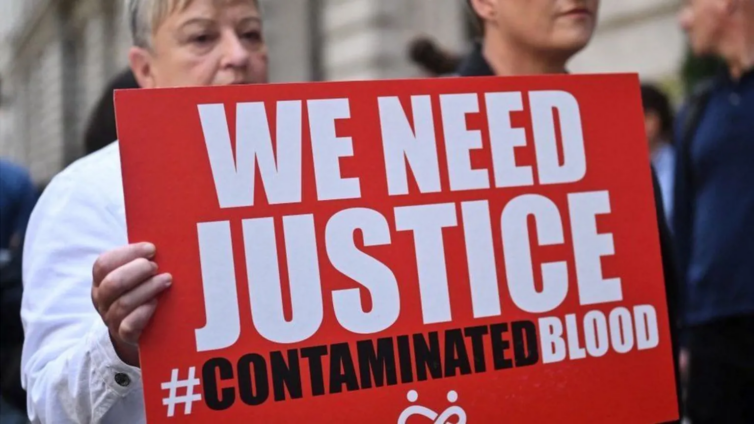
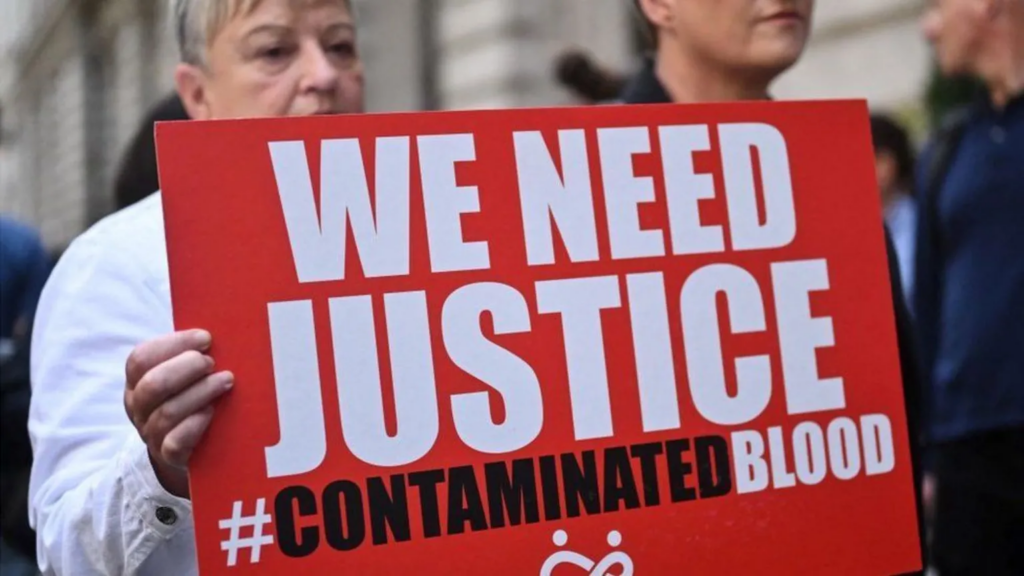
The UK government has announced it will push ahead with compensation payments to infected blood victims.
The previous government had announced the scheme in May following publication of the public inquiry report into the scandal.
Campaigners had feared the payouts might be delayed because of the election being called shortly after that announcement.
But ministers said they wanted to press ahead as quickly as possible.
Regulations will be passed before 24 August to allow the first payments to be made by the end of the year.
Five criteria
The infected blood scandal has been called the worst treatment disaster in the history of the NHS.
More than 30,000 people were infected with HIV and hepatitis C from contaminated blood products and transfusions between 1970 and 1991.
About 3,000 of them have since died – many of them haemophiliacs given infected blood products as part of their treatment.
The size of the payouts will depend on individual circumstances but could top £2m.
The compensation due is being judged under five criteria – harm caused, social impact from stigma and isolation, impact on autonomy and private life, care costs and financial loss.
The first payments will be made to those who were infected. Family members and loved ones of those infected will also be entitled to compensation but that scheme will not be available until next year.
'Taken too long'
The government announcement comes after Sir Robert Francis, the interim chair of the new Infected Blood Compensation Authority, reviewed the recommendations put forward for the scheme by the public inquiry.
He suggested a number of changes which have been accepted by ministers.
These include additional payments for those subjected to “unethical research”.
This includes an extra £15,000 for those who went to Treloar’s boarding school in Hampshire where children were given higher-risk treatments in order to further medical research.
Richard Warwick, who has haemophilia and went on to develop haemophilia B and HIV after he was given blood products to treat his clotting disorder while he was at the school for disabled children between 1976 and 1982, described the sum as “derogatory and insulting”.
Sir Robert also suggested the existing support scheme that is currently in place should continue. Originally it had been proposed this would end.
Cabinet Office minister Nick Thomas-Symonds said: “This is an important milestone for victims and campaigners who have waited too long for justice. We’re going to do everything possible to deliver compensation quickly."
Jason Evans, of the campaign group Factor 8, said the move was a “welcome step”.
But he added: “Compensation for those impacted by the infected blood scandal has taken far too long and too many have died waiting.
"Today, the picture of what compensation might look like has become clearer - and now it must be delivered.”
Latest Stories
-
Harry says he was made ‘paranoid’ by Daily Mail publisher’s ‘unlawful’ actions
4 hours -
Trade war in no-one’s interest, says British PM in face of Trump threats
4 hours -
Greenland ‘will stay Greenland’, former Trump adviser declares
4 hours -
I do not want to reconcile with my family, says Brooklyn Peltz Beckham
4 hours -
Djokovic registers 100th Australian Open win
4 hours -
China’s birth rate hits record low as population continues to shrink
5 hours -
US believes its power matters more than international law, UN chief tells BBC
5 hours -
2028 is not a normal election – Amewu explains why NPP needs Kennedy Agyapong
5 hours -
The whole nation wants Kennedy – Amewu makes strong case for Agyapong
5 hours -
Sogakope Circuit Court jails farmer 15 years for incest, defilement
6 hours -
31-year-old illegal miner sent to prison over theft
6 hours -
Court remands GPHA staff over stolen tugboat
6 hours -
Attendance at trial is a constitutional duty, not an option
7 hours -
RTI response raises questions over Bryan Acheampong’s military service claims
7 hours -
Two women granted bail over assault of 12-year-old; another remanded
7 hours