

Audio By Carbonatix
"This is the time that the various Climate-Smart Agricultural technologies we have been promoting become relevant. This is according to the Ghana Agricultural Sector Investment Programme.
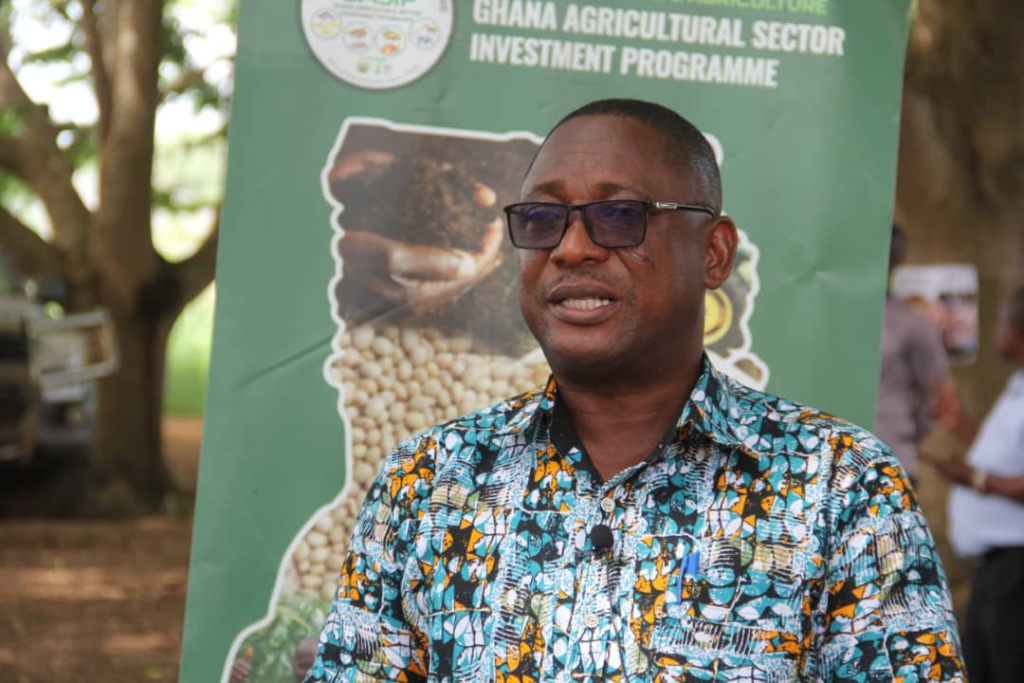
National Programme Coordinator, Klutse Kudomor believes that the repercussions of the Russian-Ukrainian war, which has resulted in a global lack of input supplies, particularly fertilizer, are an excellent opportunity to promote their Climate-Smart Agricultural solutions.
Adequate land preparation – no or little tillage, no burning, use of climate-resilient seeds, appropriate nutrient/fertilizer management, and appropriate planting methods – optimum spacing, row planting – are among the technologies and management practices pioneered by GASIP.
Others are, weed and pest control that is suitable and timely, timely harvesting of product and good storage methods, diverse cropping - rotation, intercropping, cover cropping, and permanent soil cover.
The rest include: crop residues, live fence, a fire belt, and the operation of the group charter, as well as no bush burning in the area.
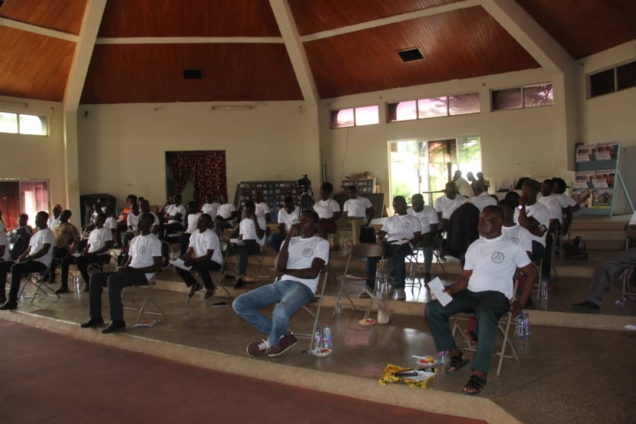
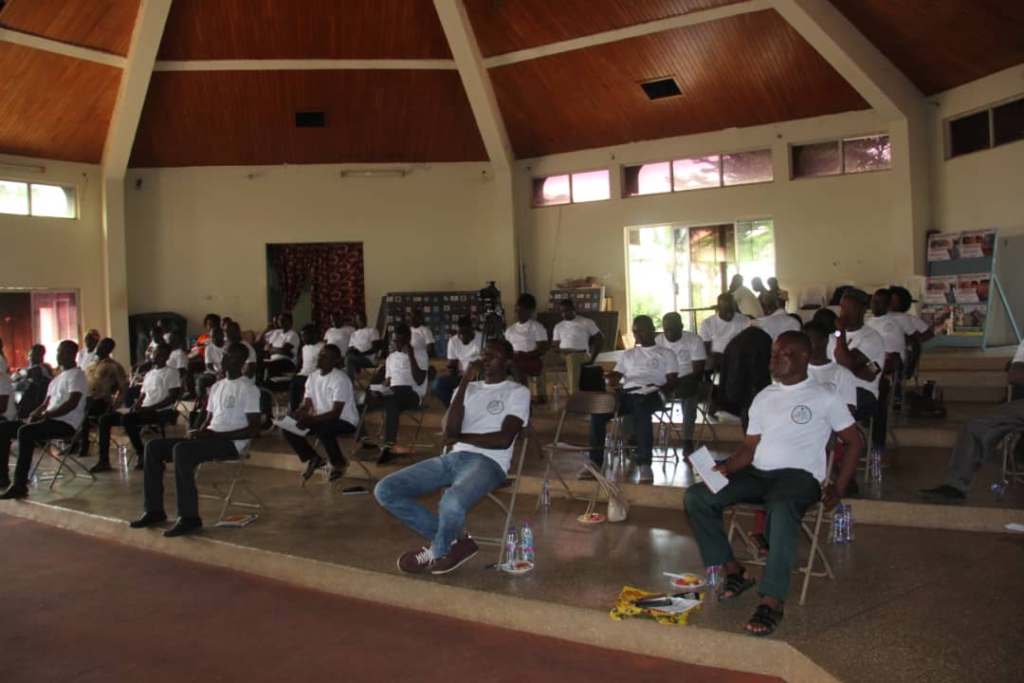
Mr. Kudomor tells participants at a workshop towards, "Building Champions in Agribusiness Value Chains for Climate Change Resilience"
The participants mainly farmers, Agric Extension Agents, Farmer-Based Organizations, and Journalists among others.
Mr. Kudomor encourages the participants to take advantage of the workshop as climate change champions in their respective areas, as well as to form a network through which virtual and other forms of climate change capacity building can be channeled.
According to him, the goal of the training is to put the GASIP sustainability mechanism, leverage, and input support provided to farmers in the past into practice so that farmers can go into production and reap the benefits.
The Ministry of Food and Agriculture is implementing the Ghana Agricultural Sector Investment Program (GASIP), which is funded by an IFAD loan of USD 36 million and a USD 10 million Adaptation for Smallholder Agriculture Program (ASAP) grant.
IFAD's flagship program for channeling climate and environmental funds to smallholder farmers is the Adaptation for Smallholder Agriculture Programme.
GASIP's goal is to eliminate poverty in rural Ghana by enhancing agribusinesses' and smallholder farmers' profitability and climate change resistance.
The implementation status of GASIP in the first four years (between 2015 and 2019) was barely 12 percent, causing IFAD to stop the program prematurely due to non-performance.
Mr. Kudomor says, in less than a year after the current management took control in 2019, the performance increased from 12% to 76 percent by February 2020.
As a result, the IFAD reclassified GASIP's implementation status from "non-performing" to "performing."
Latest Stories
-
“Feels amazing” – Antoine Semenyo reveals after Manchester City dismantle Liverpool
11 minutes -
Mahama calls for emergency cabinet meeting over rising fuel prices
54 minutes -
Asante Gold reports US$345million loss for 2025
2 hours -
Gov’t making progress in clearing $1.7bn power debt – Mahama
3 hours -
Justice is the engine of growth – Chief Justice
3 hours -
Meet us halfway – Trade Minister tasks private sector with AfCFTA success
4 hours -
After more than 14 years at Atletico Madrid, what next for Simeone?
4 hours -
Conquering the World – Building on the foundations laid by Otto Addo
4 hours -
[Playback] Sarkodie, Kwami Eugene, Tinny, Keche and others thrill fans at Gomoa Easter Carnival
4 hours -
Gomoa Easter Carnival: Experts charge indigenes to own festival to ensure sustainability
6 hours -
Gomoa Easter Carnival: Edem Agbana and Joy Prime fans shower festival with huge endorsements
7 hours -
Gathering of Royals 2026: Empowering women, boosting tomato production
7 hours -
Gov’t to overhaul free zones into manufacturing hubs for local production – Trade Minister
8 hours -
Ghana losing $2.5bn yearly from raw exports – Trade Minister reveals
8 hours -
Mahama unveils plans for Kwahu Airport, Convention Centre
8 hours