

Audio By Carbonatix
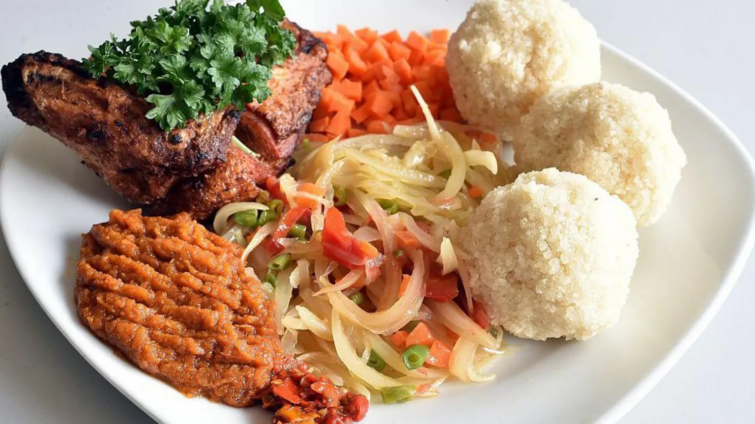
Ivory Coast's beloved staple, attiéké - made from fermented cassava flour - has officially been added to Unesco's list of intangible cultural heritage.
Attiéké, pronounced atchekay, is a kind of couscous made from ground cassava roots. It is so well-loved that many people have it for breakfast, lunch, and dinner.
Nicknamed "Ivorian couscous", it is typically eaten with grilled fish. It originated from the coastal areas of Ivory Coast centuries ago but is now popular across West Africa.
Ivory Coast's Unesco delegate, Ramata Ly-Bakayoko, told the 19th session on safeguarding intangible cultural heritage in Paraguay, that attiéké was "deeply rooted in the daily lives of its communities".
Japanese sake, an alcoholic beverage made from grains, was also added to the list this year.
In Ivory Coast, attiéké is often served at ceremonies such as weddings, baptisms, funerals, and community meetings.
But it is more than just a meal, it is some people's livelihood and a pathway to financial autonomy for many women.
Attiéké is traditionally made by women and girls. The process can take a few days as there are many steps rooted in tradition, and the skills it takes to make attiéké have also been added to the Unesco heritage list.
The cassava root is peeled, grated and mixed with a previously fermented cassava.
The pulp is then pressed to remove the starch and later processed manually dried and then steamed.
It is then taken to local markets, where it is typically sold in plastic bags each containing a single ball of attiéké.
But at the heart of it, attiéké, is a cultural connection from one generation to another.
The recipes, processes, and methods are passed down from mother to daughter and the dish "is a pillar of their identity and that of the whole of Ivory Coast", said Ms Ly-Bakayoko.
The Unesco list highlights intangible cultural heritage that are at risk, emphasising the need to protect and preserve traditional practices. The inclusion of attiéké highlights its importance to humanity as a collective, Unesco says.
The delicious and tangy staple has also caused controversy on the continent.
In 2019, there was outrage in Ivory Coast when Florence Bassono, founder of Faso Attiéké from neighbouring Burkina Faso, won an award at the Abidjan International Agriculture Show.
Many Ivorians were angered by a foreigner winning with their national dish.
Earlier this year, the African Regional Intellectual Property Organisation registered a collective trademark to prevent cassava produced in other countries from being sold under the name attiéké - in the same way that champagne has to be produced in the area of France with that name.
Latest Stories
-
I assure Otumfuo, Mahama will join him to commission KNUST Teaching Hospital by end of this year – Haruna Iddrisu
35 minutes -
Gov’t to roll out free special education for persons with disabilities from July 1 – Education Minister
57 minutes -
“We used it to test our officiating officials’ readiness” – Bawah Fuseini after CAA Athletics event
1 hour -
Volleyball emerges as Ghana’s fastest rising sport
2 hours -
National Sports Fund needs strong leadership from the top – Administrator David Wuaku
2 hours -
JoySports Exclusive: Steve McLaren in talks with GFA after expressing interest in Black Stars job
2 hours -
Fire guts auto parts warehouse at Bubuashie, one fire officer injured
2 hours -
I owe my victory to coach Ofori Asare – Allotey after winning WBA Africa Gold Super Flyweight belt
2 hours -
Church of Pentecost supports over 2,000 BECE candidates in Obuasi with career guidance seminar
4 hours -
Brandon Asante and Coventry all but promoted to Premier League despite Sheffield Wednesday draw
4 hours -
GPL 2025/26: Late Kwartemaa strike downs Hearts in Tema
4 hours -
Ghana Faces Sierra Leone Moment as Prosecutorial Powers come under strain
4 hours -
Don’t consume fish or seafood from Tema Shipyard until further notice – FDA warns
4 hours -
Why volunteering might be Africa’s most underrated career accelerator
4 hours -
ActionAid Ghana raises concern over gender gaps in Feed Ghana Programme
5 hours