

Audio By Carbonatix
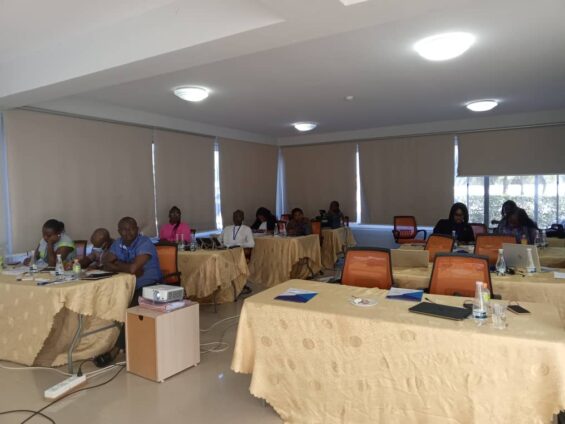
A three-day journalism fellowship has kicked off in Accra, empowering journalists to effectively utilise mass and social media to advocate for enhanced financing of epidemic preparedness through improved reporting on public health emergency financing.
The fellowship seeks to enhance public understanding of public health emergency financing through accurate and in-depth media reporting in Ghana.
The fellowship organized by SEND Ghana with funding from the Global Health Advocacy Incubator (GHAI) seeks to equip 12 selected journalists to advocate better financing for epidemic preparedness and response and raise public awareness.
SEND Ghana's Country Director, Harriet Nuamah Agyemang emphasizes the importance of empowering journalists through capacity-building initiatives, recognizing their pivotal role in shaping policies and driving positive change.
By bringing journalists together, SEND Ghana aims to sensitize them to critical issues and enhance their skills, ultimately leveraging their influence to inform and transform policy decisions.
Experts say journalists can effectively promote national interests and support development when guided by objectivity, accuracy, and neutrality.
CHAI's In-Country Coordinator, Stephen Atasige, states the significance of the fellowship, stating that journalists play a vital role in shaping the narrative through their storytelling and article writing
“Journalists keep the momentum. We can’t continue to do business as usual we need to be deliberate,” he said.
Public health emergency financing refers to the financial resources and systems dedicated to preparing for, responding to, and recovering from public health crises, such as infectious disease outbreaks, natural disasters like floods, droughts, biomedical threats among others.
Key aspects of public health emergency financing in Ghana include funding sources, resource allocation, health infrastructure, surveillance and detection, community engagement, research and development.
To address these challenges, Ghana needs sustainable, transparent, and equitable public health emergency financing mechanisms.
Medical practitioner, Dr. Konadu Asiedu says health financing goes beyond infrastructure or workforce. To ensure sustainable healthcare financing, he said, Ghana should aim to meet the Abuja Declaration target of allocating 15% of its annual budget to the health sector.
“This could reduce reliance on donor funding and enhance service delivery.”
Latest Stories
-
A source of excellence across generations – Vice President Opoku-Agyemang lauds Mfantsipim
22 minutes -
(Photos) Mfantsipim School launches historic 150th anniversary
45 minutes -
Knights and Ladies of Marshall group backs Catholic Bishops’ stance on anti-LGBTQ+
2 hours -
Bright Simons writes: All the Filla in the Ibrahim Mahama/E&P – Gold Fields Saga
2 hours -
Monetise Idiocy In Ghana
2 hours -
The Ghanaian prophet and the mysterious death of his scottish wife Charmain Speirs
3 hours -
Nearly 400 sentenced in Nigeria for links to militant Islamists
3 hours -
Ghana’s recovery supported by gold strength despite global oil price pressures – Standard Bank Research
3 hours -
Methodist Church hails Mfantsipim@150; calls for “fresh consecration” to excellence
4 hours -
‘Excellence is our inheritance’ – Nana Sam Brew-Butler hails Mfantsipim’s 150-year reign in leadership
4 hours -
Kwaku Azar writes: A-G vs OSP
4 hours -
Mfantsipim–Adisadel rivalry built excellence, not division – Sam Jonah
4 hours -
Vice President launches Mfantsipim’s 150 years of shaping Ghana’s greatest mind
5 hours -
I assure Otumfuo, Mahama will join him to commission KNUST Teaching Hospital by end of this year – Haruna Iddrisu
5 hours -
Barcelona dominate derby to extend La Liga lead
6 hours