

Audio By Carbonatix
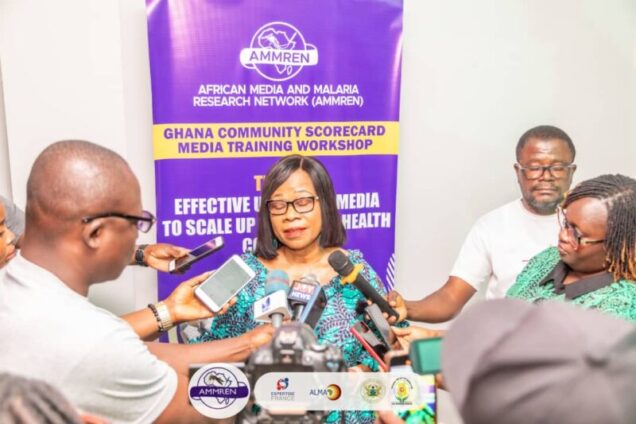
Journalists across Ghana are being equipped with the tools and knowledge to play a critical role in enhancing healthcare delivery through the Community Scorecard (CSC) initiative.
Under the theme, 'Effective Use of the Media to Scale Up Universal Health Coverage,' the training—organised by the African Media and Malaria Research Network (AMMREN), the Ghana Health Service, the African Leaders Malaria Alliance (ALMA), and the Ministry of Health—aims to empower journalists to become key advocates for better health outcomes in the country.
The project is funded by Expertise France as part of ongoing efforts to strengthen community participation in health services.
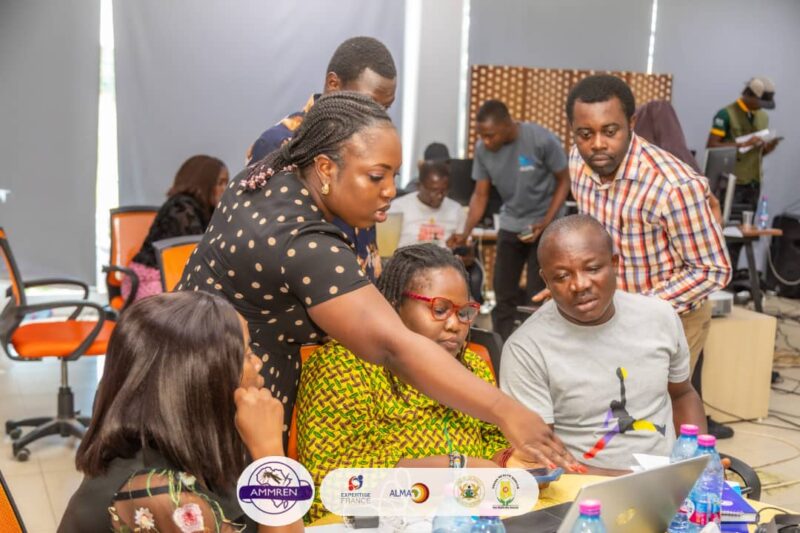
After completing the workshop, the selected journalists will be instrumental in disseminating accurate information about the Ghana Community Scorecard to the public.
This scorecard serves as a vital tool to track the performance of health services in various communities, promoting transparency and accountability.
Media as the Voice for Better Health Delivery
The Executive Director of AMMREN, Dr Mrs Charity Binka, emphasised the essential role journalists play in bridging the gap between healthcare providers and the communities they serve.
She pointed out that the current gap in understanding and accessing health services is too wide, and the media has a critical role in closing this divide.
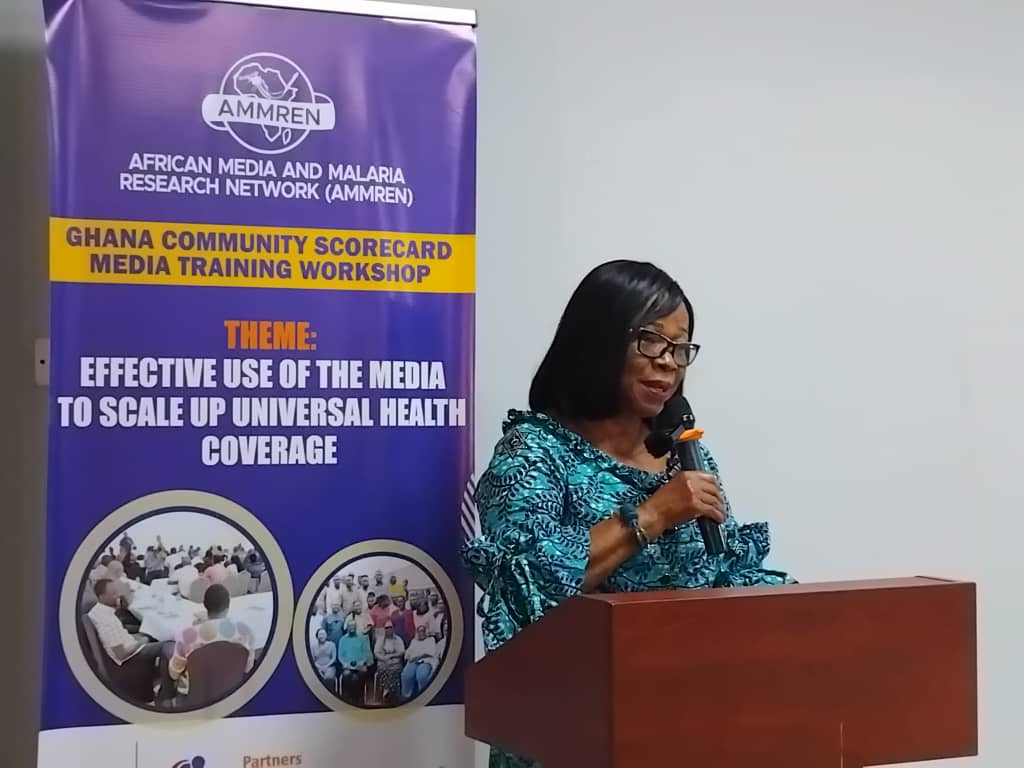
She called on the media to become the "voice" of healthcare, particularly in driving awareness around the Community Scorecard.
According to Dr Binka, for Ghana to achieve Universal Health Coverage (UHC) by 2030, journalists must be equipped to engage with health-related issues effectively and report on them responsibly.
"There is much work to be done to achieve UHC by 2030," she stated. "The media must step in, not only to educate the public but to also hold relevant stakeholders accountable for the services provided. Journalists have a unique role in bringing the real issues on the ground to the forefront, ensuring that the public receives the healthcare they deserve," she said.
Bridging the Gap Through Accountability
Dr Binka further highlighted the importance of training journalists to immerse themselves in local communities.
"Journalists need to be at the forefront, going to the communities, identifying the healthcare challenges, and helping bring healthcare solutions directly to the people’s doorstep," she said.
"By holding stakeholders accountable, journalists can use the scorecard to rate how well healthcare services are being delivered and expose gaps where improvement is needed."
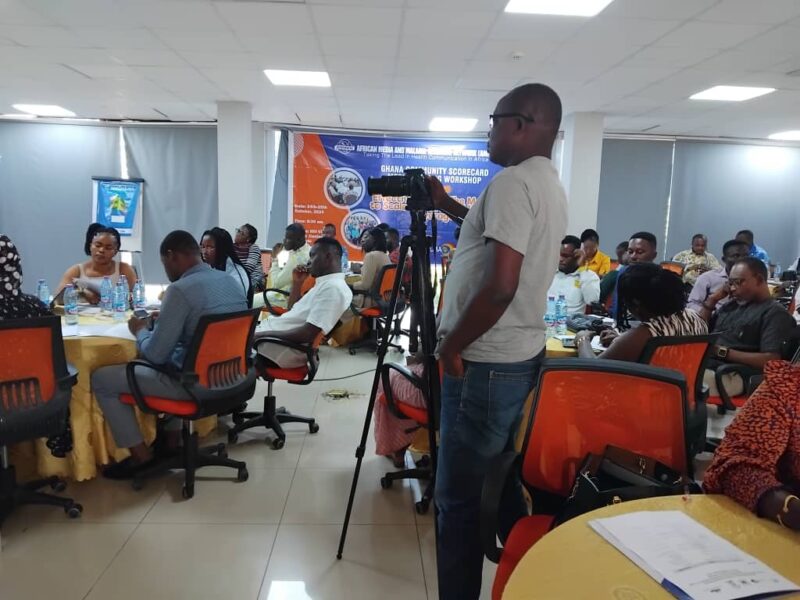
The Community Scorecard project is designed to give citizens a voice in evaluating healthcare services in their areas, providing feedback that can influence policy changes and service improvements.
Dr Binka stressed that the media’s role is indispensable in ensuring that the scorecard’s findings reach both the general public and decision-makers.
Empowering Journalists for Action
The Deputy Biostatistic Officer and National CHPS Data Manager at the Policy, Planning, Monitoring, and Evaluation Division of the Ghana Health Service, Divine Kwame Amanieh, underscored the importance of the workshop for both the media and the Ghana Health Service.
He expressed optimism that journalists would leave the training better equipped to report on healthcare issues and contribute to improving service delivery.
"The Community Scorecard is a powerful tool that can enhance healthcare delivery in Ghana. Journalists who are well-informed and skilled in reporting on these issues will be crucial in driving improvements in our health system," Mr Amanieh remarked.
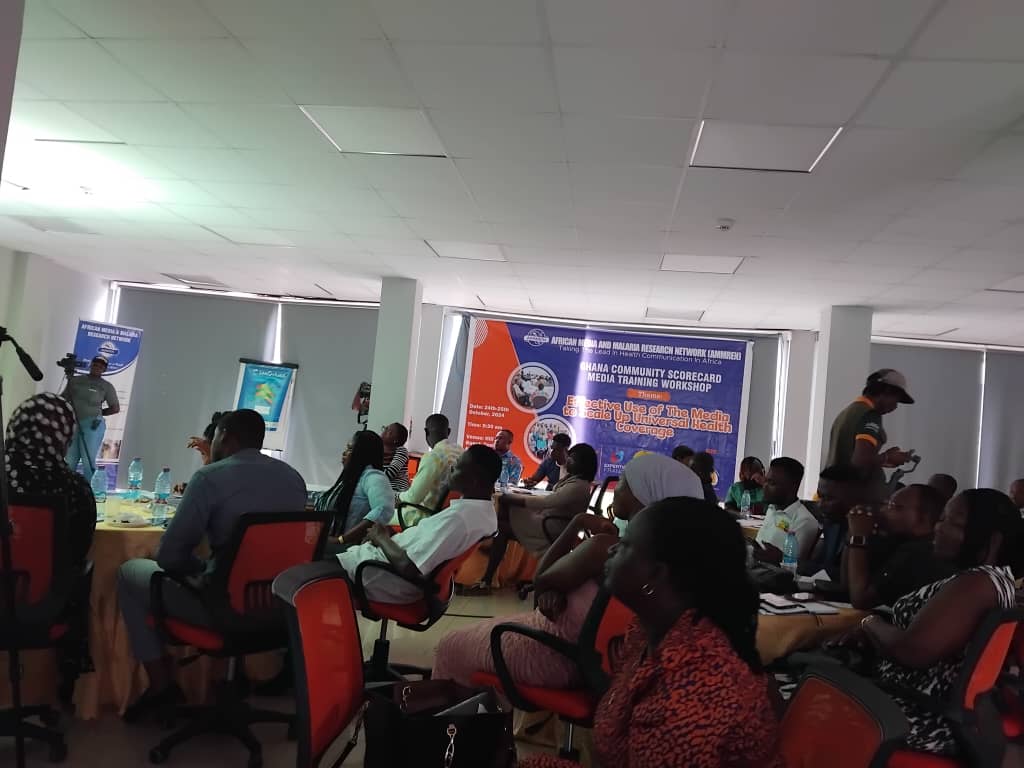
As the training continues, it is expected that journalists will take up the mantle of advocacy, working closely with health officials, communities, and stakeholders to foster a transparent, responsive, and inclusive healthcare system.
The ultimate goal is to scale up efforts toward achieving Universal Health Coverage by 2030, ensuring that all Ghanaians have access to quality healthcare services.
The workshop, funded by Expertise France, marks a significant step toward making healthcare delivery in Ghana more effective, transparent, and community-focused.
Through their training, journalists will become champions for health, using their platforms to highlight both the successes and shortcomings of healthcare services across the country, ultimately contributing to a healthier Ghana.
Latest Stories
-
Church of Pentecost supports over 2,000 BECE candidates in Obuasi with career guidance seminar
25 minutes -
Brandon Asante and Coventry all but promoted to Premier League despite Sheffield Wednesday draw
47 minutes -
GPL 2025/26: Late Kwartemaa strike downs Hearts in Tema
53 minutes -
Ghana Faces Sierra Leone Moment as Prosecutorial Powers come under strain
1 hour -
Don’t consume fish or seafood from Tema Shipyard until further notice – FDA warns
1 hour -
Why volunteering might be Africa’s most underrated career accelerator
1 hour -
ActionAid Ghana raises concern over gender gaps in Feed Ghana Programme
1 hour -
Windstorm wreaks havoc in Gushegu, displacing nearly 2,000 residents and damaging schools
1 hour -
Friends of Bridget Bonnie Marks her 35th birthday with donation to Kasseh Model Health Centre
2 hours -
From Ekumfi Kokodo to the Pulpit Stage: Essi Donkor’s gospel journey takes shape
2 hours -
Landfilling waste management creates no value, it’s an economic waste
3 hours -
Photos: Speaker Bagbin Commissions MPs constituency office under parliamentary decentralisation programme
3 hours -
Black Stars technical advisor Winfried Schäfer sacked as GFA shakes up backroom staff
3 hours -
Wenchi water project almost complete, critical to gov’t agenda – GWL MD
3 hours -
Anti-LGBTQ+ bill not part of government’s legislative agenda – Inusah Fuseini
3 hours