

Audio By Carbonatix
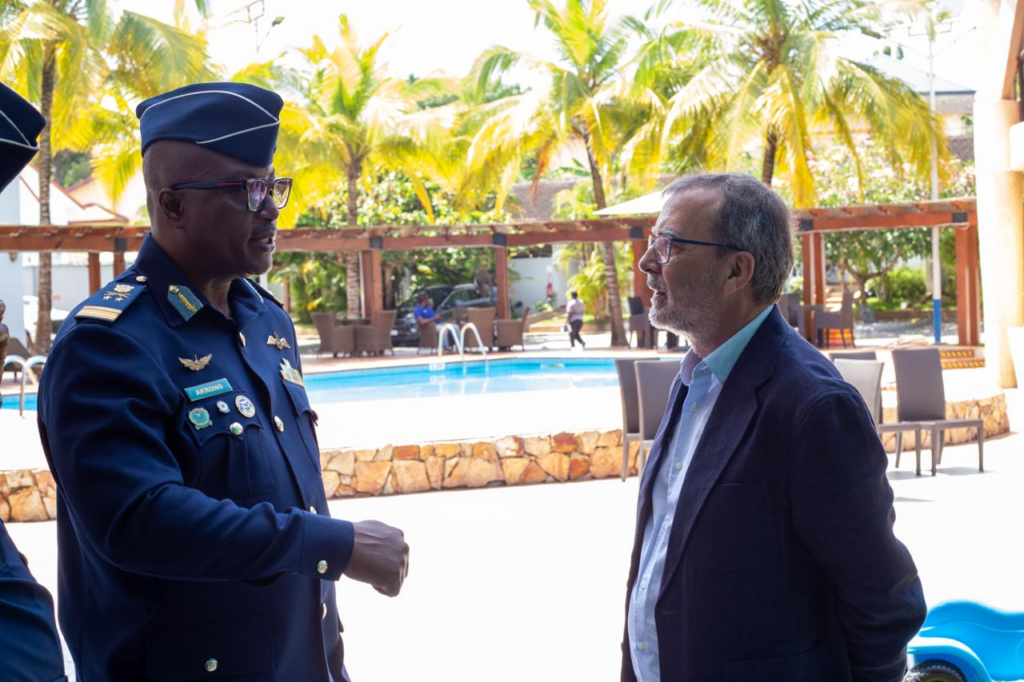
The Commandant of the Kofi Annan International Peacekeeping Training Centre (KAIPTC), Air Vice Marshal David A. Akrong, has emphasised the need for coordinated governance, accountable security measures, and community-centred policies to address the growing challenges of illegal mining in the Western Region.
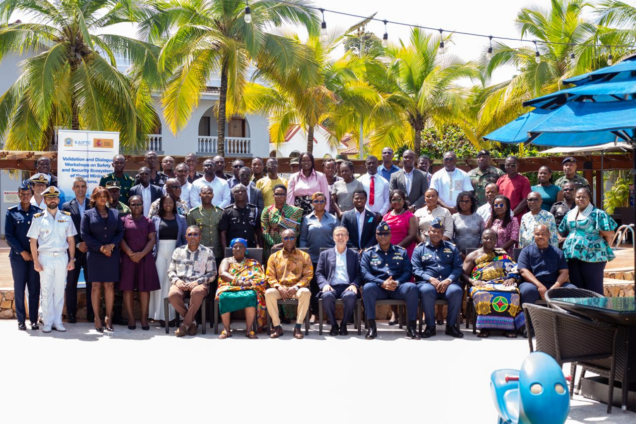
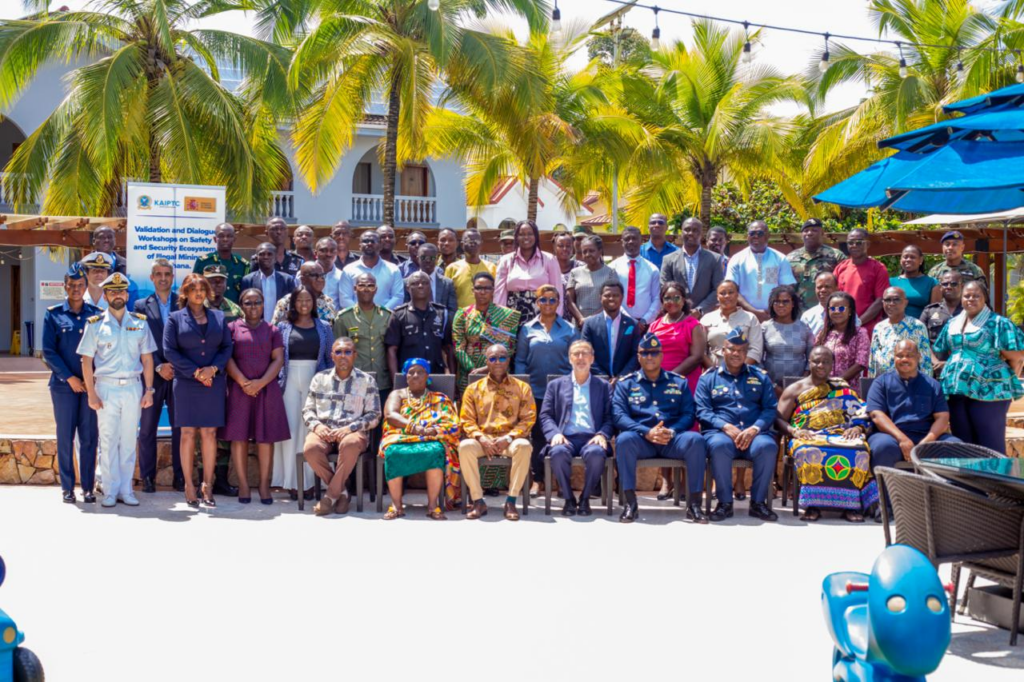
Speaking at the Western Regional Validation and Dialogue Workshop on the Safety and Security Ecosystem of Illegal Mining, Air Vice Marshal Akrong described the gathering as “a great honour and privilege,” noting that it builds on lessons learned from previous engagements in the Ashanti Region.
He highlighted the Western Region as “a landscape that sits at the very heart of Ghana’s contemporary mining economy and at the frontline of the challenges and opportunities that shape national policy and community security.”
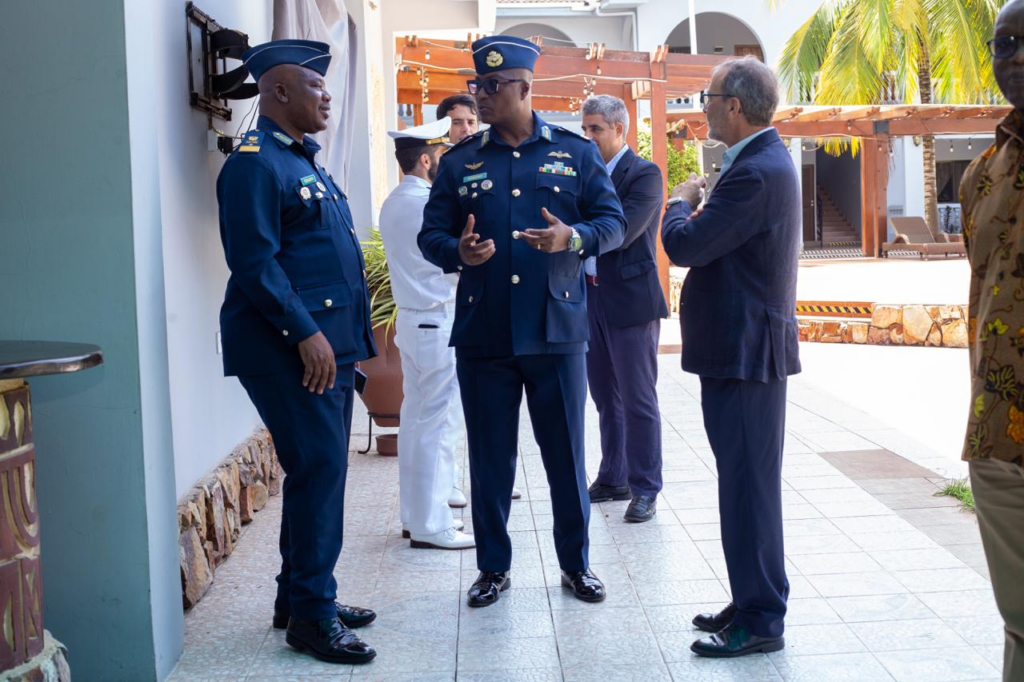
On behalf of the Kofi Annan International Peacekeeping Training Centre, he also extended appreciation to the Embassy of Spain in Accra for its strategic partnership and sustained support, emphasising that such collaboration reflects a shared commitment to strong governance, community protection, and effective security responses.
Air Vice Marshal Akrong underlined the region’s importance to Ghana’s mining sector, citing its dense concentration of formal mining operations, transport corridors, coastal and inland communities, and cross-border commercial networks.
He described the area as both an economic engine and a critical space for national development.
However, he warned that illegal mining, commonly referred to as galamsey, has evolved into a “complex political and economic ecosystem” that extends far beyond environmental damage or regulatory non-compliance.
It influences land access, labour relations, and community safety, while increasingly testing the credibility and coordination of state institutions responsible for governance, enforcement, and development planning.
Air Vice Marshal Akrong highlighted the difficult position of communities caught between immediate income needs and long-term consequences, including environmental degradation, social disruption, and weakened public trust.
Traditional authorities, assembly members, and community leaders often navigate challenging roles, balancing community expectations, regulatory requirements, and the influence of external actors bringing capital, equipment, and occasionally intimidation.
“These dynamics create an environment where accountability can become blurred, institutional coordination strained, and confidence in the fairness and consistency of enforcement eroded,” he noted.
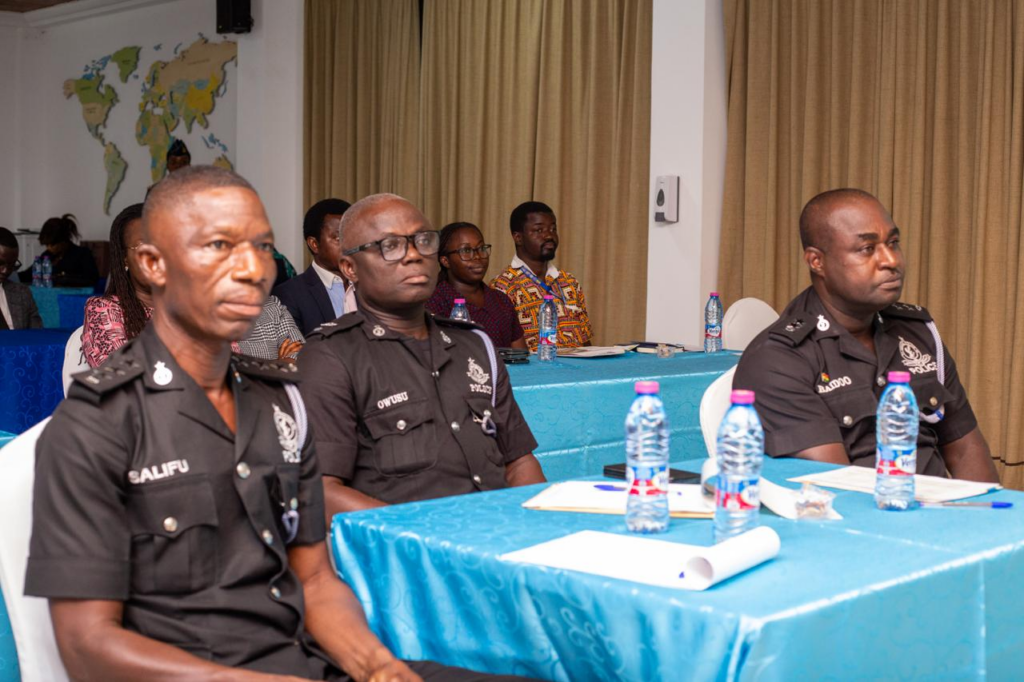
Of particular concern, the Commandant observed, is the growing link between illegal mining and the circulation of illicit and improvised weapons, particularly in remote and contested areas along transport routes and isolated mining sites.
In some areas, there is a discernible shift towards more securitised mining spaces, where the threat or use of force is employed to protect financial interests, secure land access, and deter rival groups or state intervention.
“These conditions heighten risks for communities and frontline security personnel and connect local challenges to broader patterns of organised crime, illicit financial flows, and cross-border networks beyond Ghana,” he warned.
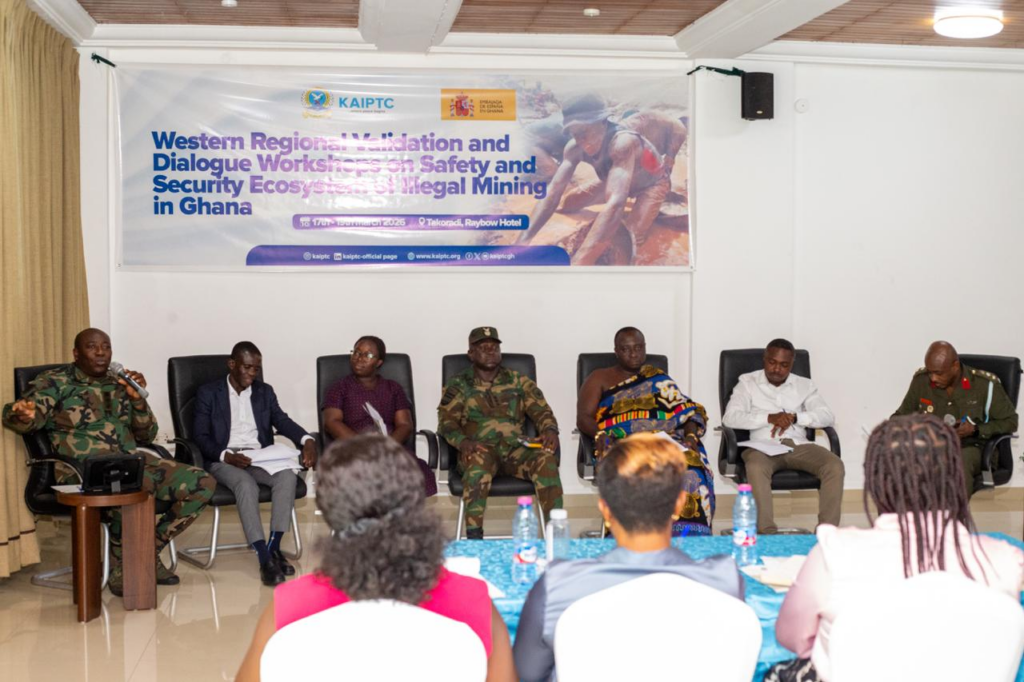
The workshop, he explained, is not simply a forum for presenting research findings. It serves as a platform to validate evidence through the lived experiences, professional judgment, and local knowledge of participants.
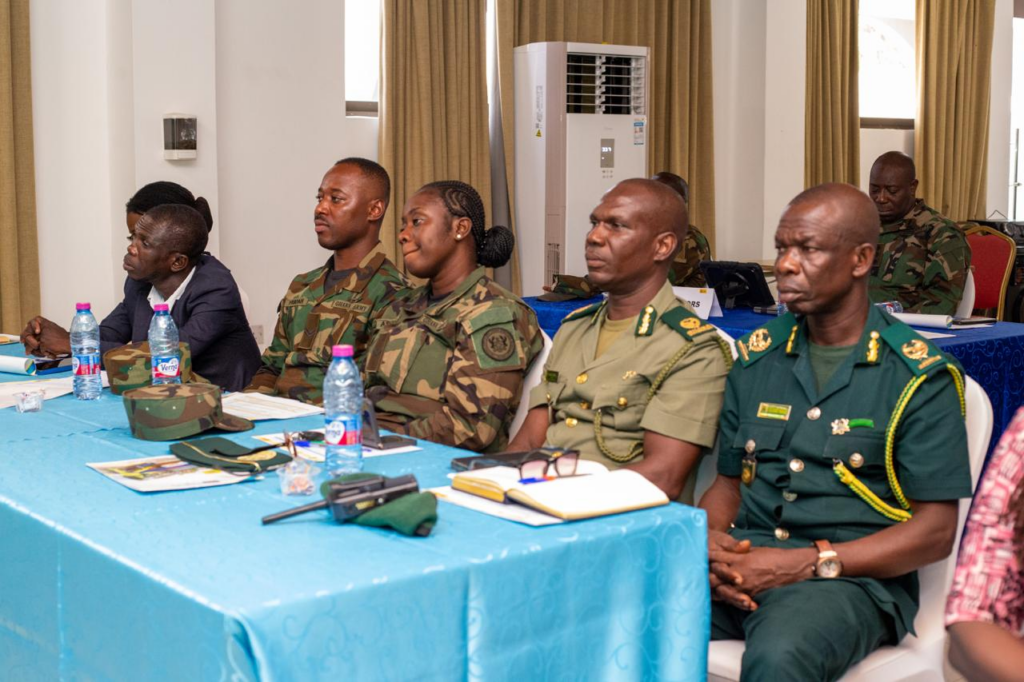
Attendees include traditional leaders, security actors, regulators, civil society organisations, and community representatives, all of whom contribute vital perspectives on authority, policy implementation, and cooperation at the community level.
Air Vice Marshal Akrong stressed that the insights gathered will directly inform recommendations for the national policy dialogue forum in Accra, ensuring that policy responses are grounded in practice and reflect the voices of those living and working in mining-affected ecosystems.
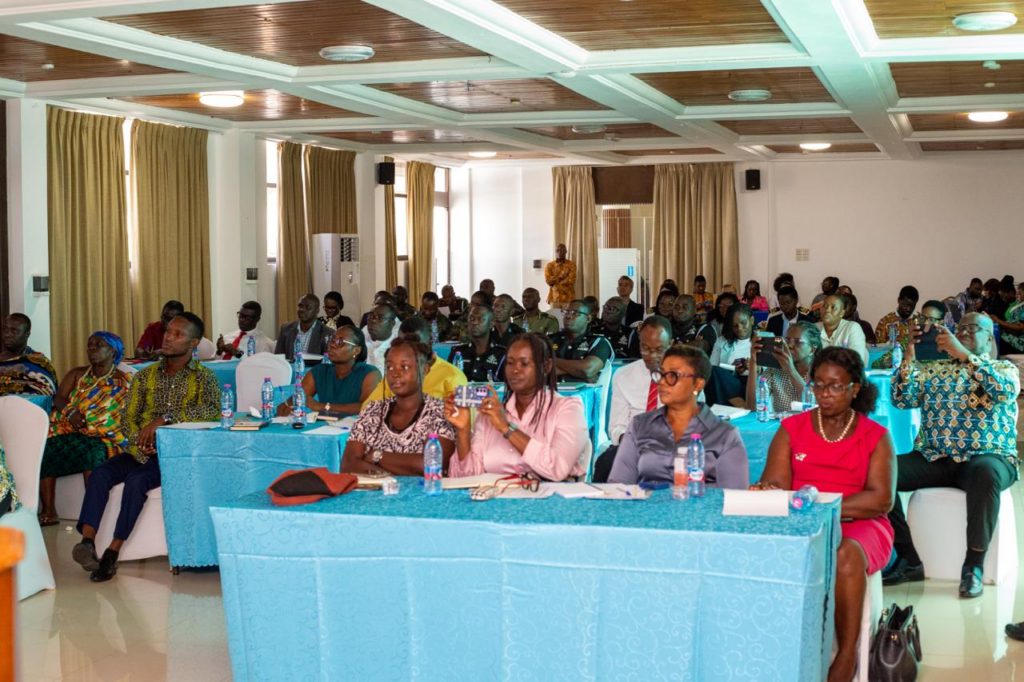
He urged participants to engage with openness, professionalism, and a shared sense of responsibility. He emphasised that the complexity of challenges in the Western Region requires sustained collaboration across institutions, communities, and development partners, guided by a shared vision of safety, accountability, and inclusive development.
He once again expressed gratitude to the Embassy of Spain in Accra for their continued partnership and commended participants for investing their time, expertise, and insight in advancing this critical national initiative.
“This is an opportunity to foster trust, strengthen partnerships, and ensure that interventions are practical, inclusive, and enduring,” he concluded.
Latest Stories
-
Damang lease award to E&P followed due process — Minerals Commission
6 minutes -
Today’s Front pages: Wednesday, April 8, 2026
8 minutes -
Julian Opuni reaffirms Fidelity Bank support for industry-led skills training at DTI Berekuso campus
14 minutes -
CAF President arrives in Dakar to meet Senegalese President, football authorities over AFCON title saga
15 minutes -
Pastor arrested over viral threats against Vice-President
18 minutes -
2026 Success Africa Summit: MTN’s Adwoa Wiafe challenges youth to act with purpose, not just pursue titles
20 minutes -
Nurse laureate launches Cancer Care Africa Foundation to tackle late diagnosis, workforce gaps
1 hour -
Ghana to lose GH¢18.15bn in revenue by 2027 from abolishing Covid levy, E-levy – CPS study
2 hours -
Reintroduce scrapped taxes to close revenue gap – Tax expert
2 hours -
GRA applauds CPS study, urges continuous policy scrutiny
2 hours -
Wear blue or green hat to survive – IBAG president says insurance industry ‘captured by politics’
2 hours -
AGI commends government’s move to resolve the power crisis in Volta and Oti Regions
3 hours -
Broker sector worse hit by state interference – IBAG president reveals
3 hours -
IBAG president alleges political interference driving kickbacks in insurance sector
3 hours -
Trump agrees to two-week ceasefire, Iran says safe passage through Hormuz possible
3 hours