

Audio By Carbonatix
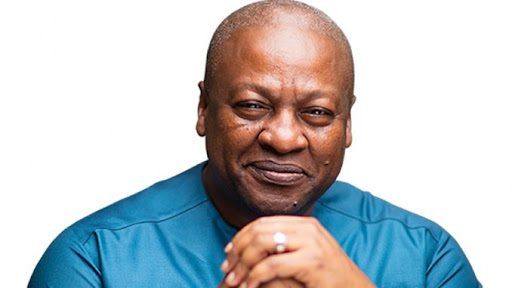
President John Dramani Mahama’s return to Ghana’s highest office has crossed the 120-day mark, and across the diaspora, a quiet but firm verdict is forming: this time feels different. From Toronto to Frankfurt, London to Accra, Ghanaians abroad are expressing cautious optimism—tempered with a reminder that Ghana’s greatest challenge may not be policy, but people.
In conversations with Ghanaians living overseas—many of whom contribute to the nation’s economy through remittances, trade, and professional networks—a common theme emerges: Mahama has brought calm and focus back to governance. But unless the national mindset changes alongside political leadership, even the best policies will struggle to take root.
A More Measured Presidency; Mahama’s leadership style since returning to power has been widely noted for its maturity and discipline. In contrast to the political turbulence of recent years, his presidency so far has been defined by steadiness over spectacle.
“He’s not reacting to noise or playing to the gallery,” says Amma Opoku, a lawyer based in London. “He’s governing like someone who’s learned from the past—and we’re seeing a more thoughtful, deliberate approach.”
For a diaspora long frustrated by instability and political grandstanding, Mahama’s tone is being interpreted as a reset: one that puts governance over gamesmanship.
Economic Foundations: Fragile, But Stabilizing; On the economic front, early moves by Mahama’s administration have been met with cautious approval. The cedi has shown signs of resilience, with slight gains against both the dollar and the euro in recent weeks—offering some relief in a country still recovering from inflation and debt pressures.
“There’s no miracle at play, but we’re seeing consistency,” says Kwame Badu, a Ghanaian financial analyst in Frankfurt. “Even small signals—currency stability, coordinated messaging—matter. Confidence starts with discipline.”
Yet as Ghanaians abroad know all too well, numbers on paper don’t always match prices in the market. A drop in the dollar means little if local traders continue to inflate costs. This disconnect, they say, is not about economics—it’s about culture.
The Real Crisis: Attitude and Accountability; Despite the cautious optimism, many Ghanaians abroad voice a growing concern: the everyday mindset back home. From inflated pricing to cutting corners in public service, there’s worry that too many citizens are unwilling to change—even when government is trying to lead responsibly.
Kwadwo Aninakwaa, an economist in Frankfurt, puts it bluntly:
“If the dollar falls and importers don’t reduce their prices, the economy becomes unmanageable. Policies alone won’t save us. The people have to cooperate. If not, everything eventually fails.”
This frustration is echoed across diaspora circles—from family WhatsApp groups to professional forums. The sentiment is clear: Ghana can’t move forward if its citizens are pulling in different directions.
“We love Ghana, but we must admit—we have a mindset problem,” says Adjoa Mensah, a teacher in Montreal. “Everyone wants change, but few want to change themselves. Until we take responsibility as individuals, no president—no matter how capable—can succeed.”
The Role of the Diaspora: Eager to Engage; President Mahama’s consistent engagement with the diaspora is another factor fueling hope. From recognising dual citizens to supporting diaspora investment channels, his administration has long acknowledged the potential of Ghanaians abroad—not just as remittance senders, but as development partners.
“There’s a renewed sense of openness,” says Yaw Sarpong, a Ghanaian tech entrepreneur in New Jersey. “We’ve been waiting for the chance to contribute meaningfully. Now it feels like that door might stay open.”
But even here, diaspora voices caution that goodwill must be matched by practical policy frameworks that make it easier to return, invest, and collaborate.
The Road Ahead: A Second Chance, But Not a Guarantee; After 120 days, the Mahama presidency appears to be laying a solid foundation—one that’s calm, pragmatic, and intentionally understated. For Ghanaians abroad, that’s welcome news. But they also know that real progress takes more than stability at the top. It takes discipline at every level of society.
“This is a second chance for Mahama—but also for the country,” says Nana Kwabena, an architect based in Oslo. “We can’t afford to waste it by repeating old habits. The president can only do so much. The rest is up to us.”
If Ghana is to move forward, the message from the diaspora is loud and clear: leadership is essential, but so is followership. Mahama may be driving the bus—but the passengers need to know where they want to go.
Latest Stories
-
Full text: Deputy Finance Minister delivers A-G’s report on 2024 arrears and payables
8 minutes -
Audit uncovers GH¢159m ‘ghost’ teacher trainee arrears
19 minutes -
Societe Generale Ghana records resilient performance amid macroeconomic resetting
35 minutes -
NaCCA applauds GPA at 50, stresses importance of books in education and national identity
35 minutes -
Grain scandal: Finance Ministry alarmed by GH¢61.7m ‘ghost transport’ payout in 2024
36 minutes -
ACPSEA launched to strengthen Africa’s peace and security architecture
38 minutes -
Tema port dredging to reduce delays for cement manufacturers – Deputy Trade Minister
40 minutes -
Mother allegedly assaults 12-year-old daughter over plantain sale in Abrabra
43 minutes -
Proposed mining royalty regime could cost Ghana nearly one million jobs – Patrick Boamah
44 minutes -
Gov’t blocks GH¢4.4bn in fraudulent recycled contract claims – Deputy Finance Minister
46 minutes -
Transport, Fisheries Ministries vow to operationlise James Town Harbour after years of neglect
49 minutes -
Auditor-General’s Report: Deputy Finance Minister flags missing rice, GH¢771m maize delivery shortfall
49 minutes -
Auditor-General uncovers GH¢9.4m payment backed by forged documents – Deputy Finance Minister
54 minutes -
Audit exposes massive ‘dry spell’ supply scandal; 10,000 tonnes of rice missing
57 minutes -
35 contractors paid $7.9m under Agenda 111 failed to start work – Audit
59 minutes