

Audio By Carbonatix
Scientists have found microplastics in human penises for the first time, as concerns over the tiny particles’ proliferation and potential health effects mount.
Seven different kinds of microplastics were found in four out of five samples of penis tissue taken from five different men as part of a study published in IJIR: Your Sexual Medicine Journal on Wednesday.
Microplastics are polymer fragments that can range from less than 0.2 inch (5 millimeters) down to 1/25,000th of an inch (1 micrometer). Anything smaller is a nanoplastic that must be measured in billionths of a meter. They form when larger plastics break down, either by chemically degrading or physically wearing down into smaller pieces.
Some minuscule particles can invade individual cells and tissues in major organs, experts say, and evidence is mounting that they are increasingly present in our bodies.
Study lead author Ranjith Ramasamy, an expert in reproductive urology who conducted the research while working at the University of Miami, told CNN that he used a previous study that found evidence of microplastics in the human heart as a basis for his research.
Ramasamy said he wasn’t surprised to find microplastics in the penis, as it is a “very vascular organ,” like the heart.
The samples were taken from study participants who had been diagnosed with erectile dysfunction (ED) and were in the hospital to undergo surgery for penile implants to treat the condition at the University of Miami between August and September 2023.
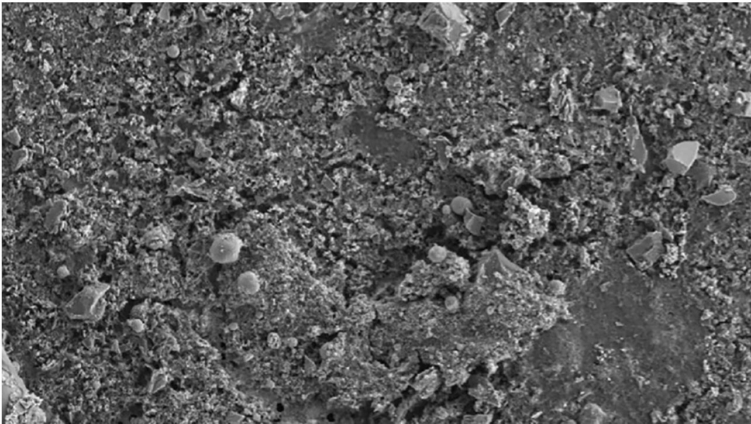
The samples were then analyzed using chemical imaging, which revealed that four of the five men had microplastics in their penile tissue.
Seven different types of microplastics were detected, with polyethylene terephthalate (PET) and polypropylene (PP) the most prevalent, according to the study.
Now their presence has been confirmed, more research is needed to investigate potential links to conditions such as ED, Ramasamy said.
“We need to identify whether microplastics are linked to ED and if there is a level beyond which it causes pathology and what types of microplastics are pathologic,” he said.
As for the wider implications of the findings, Ramasamy said he hoped the study would “create more awareness about the presence of foreign bodies within human organs and foster more research surrounding this topic.”
Prior research has found that one liter of bottled water — the equivalent of two standard-size bottled waters — contained an average of 240,000 plastic particles.
“I think we need to be mindful about consuming water and food from plastic bottles and containers and try and limit the use until more research is done to identify levels that could cause pathology,” Ramasamy said.
Toxicologist Matthew J. Campen told CNN that this is “an interesting study that confirms the ubiquity of plastics in the body.”
“As we are trying to understand the potential health effects of plastics, this is another concerning paper,” said Campen, a regents’ professor of pharmaceutical sciences at the University of New Mexico in Albuquerque, who wasn’t involved in the research.
“Plastics are generally non-reactive with the cells and chemicals of our bodies, but they could be physically disruptive to the many processes our bodies undertake for normal function, including functions related to erection and sperm production.”
Campen coauthored a study published in May that found that human testicles contain microplastics and nanoplastics at levels three times higher than animal testes and human placentas.
The study tested 23 preserved testes from cadavers of males who were ages 16 to 88 at the time of their death, then compared the levels of 12 different types of plastics in those testicles with plastics found in 47 dog testes.
“The levels of microplastic shards and types of plastics in human testes were three times greater than those found in dogs, and the dogs are eating off the floor,” Campen said at the time the study was published. “So it really puts in perspective of what we’re putting in our own bodies.”
There are steps you can take to reduce your exposure to microplastics.
“One is to reduce our plastic footprint by using stainless steel and glass containers, when possible,” said Dr. Leonardo Trasande, director of environmental pediatrics at NYU Langone Health, in a prior interview with CNN.
“Avoid microwaving food or beverages in plastic, including infant formula and pumped human milk, and don’t put plastic in the dishwasher, because the heat can cause chemicals to leach out,” said Trasande, who is also the lead author for the American Academy of Pediatrics’ policy statement on food additives and children’s health.
Latest Stories
-
Edmond Boateng takes up secretary role at Honorary Consular Corps of Ghana
2 hours -
Gambia appoints British barrister to prosecute gruesome Jammeh-era crimes
2 hours -
Girl group Flo on entering into their ‘bombastic, confident, strong’ era
2 hours -
Germany suspends military approval for long stays abroad for men under 45
2 hours -
Liverpool face uphill Champions League task after PSG thrashing in Paris
2 hours -
‘Ketamine Queen’ sentenced to 15 years in Matthew Perry overdose death
3 hours -
Nigeria begins mass trial of 500 terrorism suspects
3 hours -
Atletico Madrid stun 10-man Barcelona to seize Champions League semi-final advantage
3 hours -
Black Stars coach to be announced by next week – Sports Minister
3 hours -
Chiefs, queen mothers and principal elders of Odau group denounce ‘rebellious Etweresohene’, pledges allegiance to Okyenhene
3 hours -
KNUST library dress code sparks online backlash over strict rules
4 hours -
Cultural Diplomacy in Action: Ghanaian youth leaders present symbolic smock to U.S. Chargé d’Affaires
4 hours -
Ghana Card payment activation under review – NIA breaks silence on financial integration
4 hours -
Ofori-Atta’s ICE release on bail positive; he poses no risk – Amanda Clinton
4 hours -
Ken Ofori-Atta’s passport seized after bail, set to reappear in US Court on April 27
4 hours