

Audio By Carbonatix
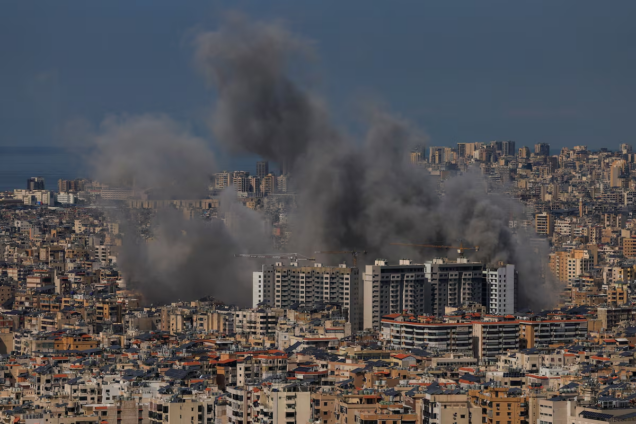
A new analysis shows that greenhouse gas emissions from the first 14 days of US and Israeli military attacks on Iran have exceeded 5 million tonnes of carbon dioxide.
This figure is higher than Iceland’s total emissions in 2024 and is also equivalent to the pollution produced by about 1.1 million gas-powered cars over a year and represents over $1.3 billion in climate-related damage, according to the analysis.
Published by the Climate Community Institute, the study by USA, UK and Ghana-based researchers Patrick Bigger, Benjamin Neimark, and Fred Otu-Larbi finds that the US and Israeli attacks have already killed thousands, displaced millions, and cost the US an estimated $16.5 billion.
Environmental harm from bombardment of oil refineries, desalination plants, and military facilities could double or triple in the next ten days, the authors warn. They emphasize that greenhouse gas emissions from war are often overlooked, despite being a major part of the humanitarian and economic damage. The study follows methods previously used to calculate climate impacts in Gaza and Ukraine.
The report highlights several factors that will drive emissions higher including the production and transport of new weapons as arsenals are depleted, uncontrolled burning of fossil fuels during attacks on oil infrastructure, and potential involvement of additional countries, such as France and the UK, in military operations.
The analysis also warns that the largest climate impact will come after the conflict. Expanding fossil fuel production in the name of energy security could lock in emissions for decades.
Rebuilding destroyed infrastructure across 14 countries from Cyprus to Azerbaijan including homes, roads, hospitals, schools, and energy facilities, will produce far more emissions than the war itself.
The study finds that reconstructing Gaza and Lebanon could generate at least 24 times the emissions of the conflict. In Ukraine, reconstruction produced 56 million tonnes of carbon dioxide, costing over $43 billion.
The study also notes that the war’s economic burden will hit working people, as energy price increases affect fuel, heating, food, and other essentials. Rising costs may lead to austerity and reduced investment in climate action. The authors conclude that the environmental and social consequences of the conflict will last for decades. “People in Iran and across the planet will continue to suffer the consequences,” the report warns.
Latest Stories
-
Health Ministry engages Ga Mantse ahead of Free Primary Healthcare launch
1 minute -
We can tackle multiple priorities – Sam George defends Anti-LGBTQ Bill push
36 minutes -
Statement: Ghana Chamber of Mines’ Response to Claims in Joe Jackson’s “Ananse Stories about the Economy of Ghana”
38 minutes -
GES opens 2026 teacher recruitment for licensed B.Ed graduates
40 minutes -
Ghana must value skilled trades, build resilient learners — Ibn Chambas
48 minutes -
Ghana must rethink education around relevance, resilience and responsibility — Ibn Chambas
51 minutes -
Prince Harry faces defamation lawsuit from charity he co-founded
53 minutes -
South Korea deploys thermal cameras to track escaped zoo wolf
54 minutes -
Calls for royal meeting with Epstein survivors grow ahead of US visit
58 minutes -
Ibn Chambas advocates blend of technology and human values in education
59 minutes -
UMA improves healthcare access in Asutifi North with GH₵700k ‘Kim Taylor Legacy’ Walkway
1 hour -
Scholarships Authority and Fanaka University offer sponsorship for procurement and supply chain studies
1 hour -
Bisa Kdei drops new single ‘Go N Look’ featuring Medikal
1 hour -
Benin facing rising terrorism in north as French military presence faces growing criticism
1 hour -
UEW Public Lecture Series 2026: Education debate ‘about the soul of Ghana’s future’ — Dr Ibn Chambas
1 hour