

Audio By Carbonatix
Luv News checks have revealed a renewed misuse and misapplication of a popular agrochemical product on the Ghanaian market.
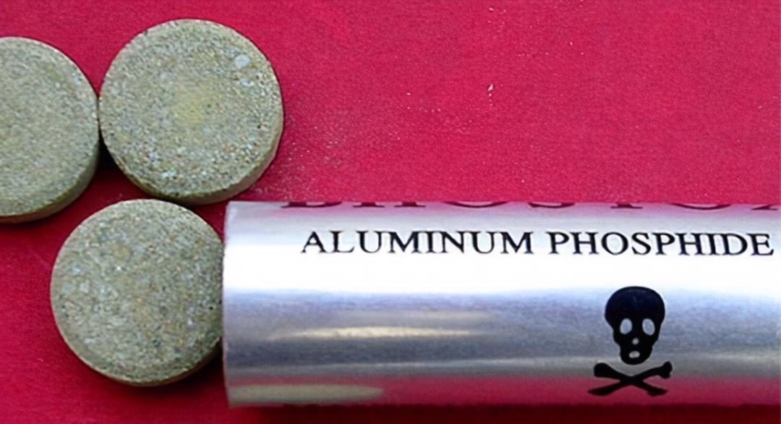
Aluminium phosphide, known locally as “bomb”, is a lethal substance originally used in controlling insects in stored farm produce like maize and beans, but now actively used by households for bedbug fumigation.
The harmful misapplication of the poisonous chemical is negatively impacting people’s health, recently killing three young siblings at Asawase in Ashanti Region.
They are probably the worst insect enemy and a nuisance in any household.
Bedbug infestations in homes, schools, offices and other places leave many people with sleepless nights and consequent evacuation from comfort.
Treating the “stubborn” insect infestation has come with many chemical and biological solutions.
A popular treatment in some Ghanaian homes currently is the application of aluminum phosphide, known locally as “bomb”, a highly lethal chemical compound.

Juliet Daneku was introduced to the chemical application by a friend when bedbugs became her new tenants.
“A friend introduced me to it. I bought a full container and applied in my room. My children and I didn’t sell in the room for four days. We slept at a nearby church. Because it’s dangerous, it makes a puff sound when you open it,” she said.
The chemical comes under various brand names on the market including Baktoxin, Topstoxin and Bextoxin.
They come in tablet forms in vials and has close to one hundred tablets in the container.

The agrochemical is originally used to control the eggs or larvae of insects like bean and maize weevil during preservation or storage of these farm products.
But it appears many households are using the chemical for the wrong purposes.
On December 28, 2023, three young siblings at Asawase in the Ashanti region died from suspected poisoning from the application of the chemical in their room.
This is one of the at least five death cases resulting from exposure to the toxic compound recorded over the last 5 years.
The chemical releases a highly toxic phosphine gas in the presence of moisture.
Although the compound is said to be efficacious against the insect, it poses a deleterious effect on the human body.
Symptoms of Phosphine gas exposure include nausea, vomiting, diarrhoea, abdominal pain, gastrointestinal distress, and trouble breathing.
In 2018, the Environmental Protection Agency ordered the withdrawal of all pesticides containing Alumnimum Phosphide, due to their misapplication.
An agrochemical vendor revealed the products until their withdrawal from the markets were only sold to customers who hailed from neighbouring countries.
But the products still find their way onto the market.

“We used to sell to customers from Burkina Faso. We weren’t selling to the Ghanaian market. But recently, I’ve realized some shops sell to people,” he said.
Meanwhile, some agrochemical vendors are calling for the ban of the product.
“We used to have another chemical, which was harmless. But this one is dangerous. Those producing on to the market must stop. We must come together and stop importing them,” he said.
While a number of deaths have been recorded from the misuse of the chemical, it still remains one of the cheapest wrongfully applied treatments for bedbug infestations.
Latest Stories
-
Seven African referees selected for World Cup 2026 as Ndala, Issa Sy miss out
16 minutes -
Why diaspora investors are using Accra real estate to hedge against global uncertainty in 2026
39 minutes -
GWL urges public support to stem water thefts
40 minutes -
Fire guts 2-storey apartment at Ashaley Botwe
41 minutes -
Come down and account, it’s a constitutional requirement – Martin Kpebu to Ofori-Atta
50 minutes -
The power of the private courtyard: How regalia is redefining resort-style living in Accra
1 hour -
Beyond roads and bridges: Understanding the true role of your MP
1 hour -
UK says Russia ran submarine operation over cables and pipelines
1 hour -
NPRA recovers GH¢27m in 2025, 30% of defaulted pension contributions
1 hour -
Power fluctuations slash Ashanti region water production by 959,000 cubic metres in March
1 hour -
Beyond the festivities: Gomoa must turn visibility into development
1 hour -
DVLA clarifies it is not responsible for Toyota Voxy commercial operations
1 hour -
Calls for Ofori-Atta’s return a non-issue if trial proceeds in absentia – Pius Hadzide
1 hour -
France names Ghana first beneficiary of newly established National Health Compact
2 hours -
US Immigration, extradition outcomes likely to influence each other in Ofori-Atta case – Amanda Clinton
2 hours