

Audio By Carbonatix
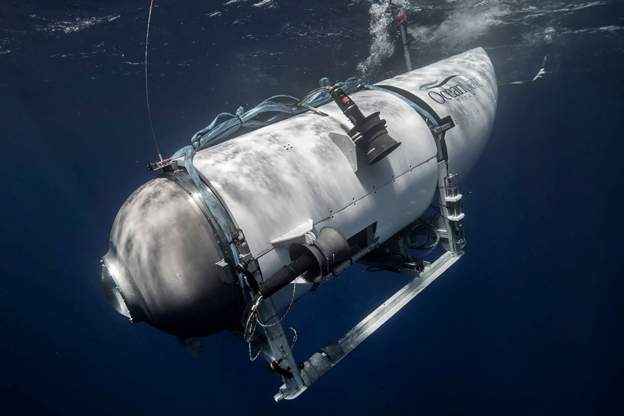
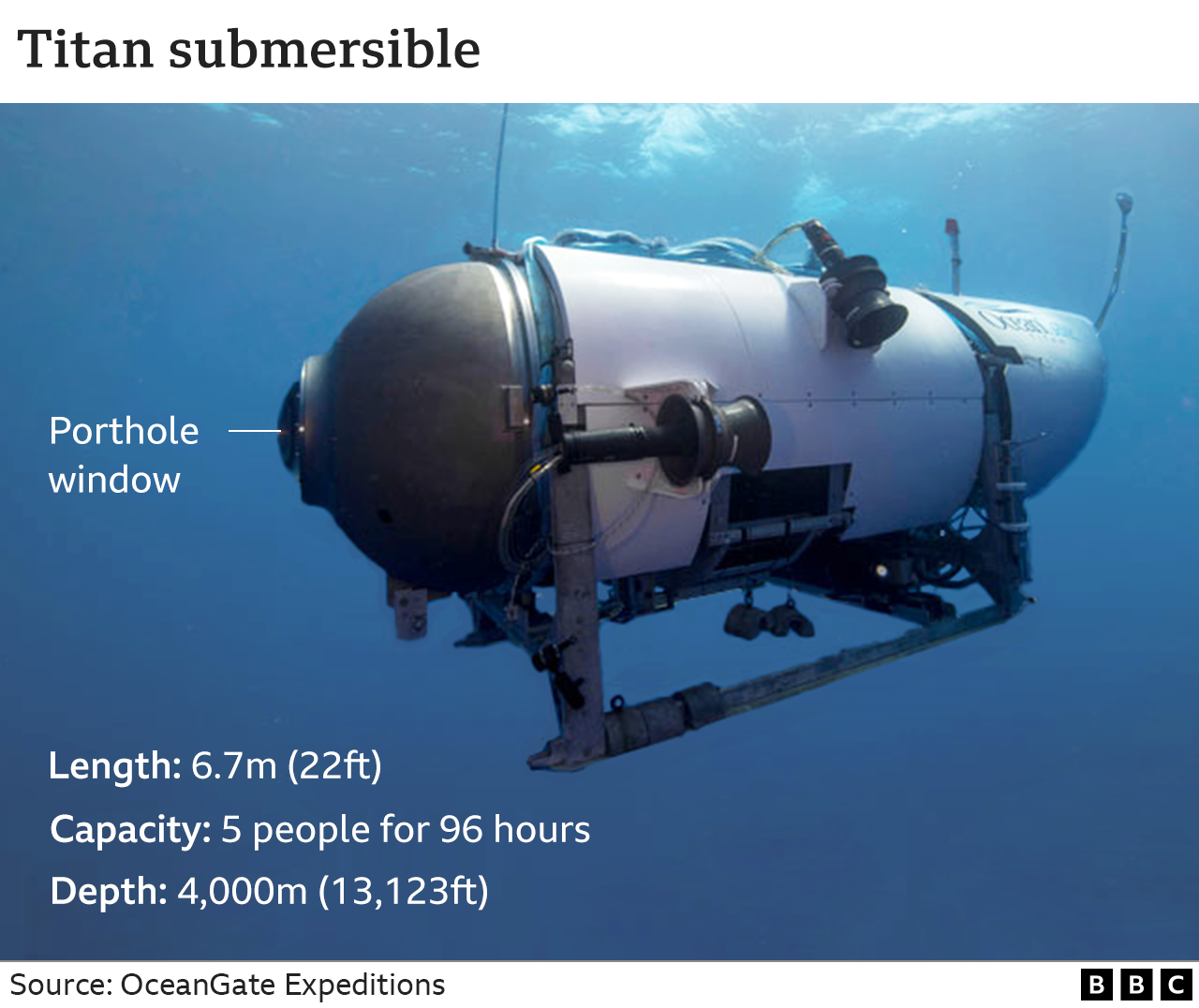
It is a claustrophobic, terrifying prospect - being trapped in a 22ft submersible, potentially thousands of feet underwater, with oxygen running out.
The exact whereabouts of the Titanic submersible and the condition of the five crew onboard are unknown. It is thought the vessel may have less than 10 hours of oxygen remaining, creating a race against time to find the sub before it is too late.
As Dr Ken Ledez, a hyperbaric medicine expert at Memorial University in St John's, Newfoundland, has told BBC News that running out of air is not the only danger those on board face.
The vessel may have lost electrical power, which is likely to have a role in controlling the amount of oxygen and carbon dioxide inside the vessel.
As the oxygen level falls, the proportion of carbon dioxide being breathed out by the crew will be rising, with potentially fatal consequences.
"As levels of carbon dioxide build up, then it becomes sedative, it becomes like an anaesthetic gas, and you will go to sleep."
Too much of the gas in a person's bloodstream, known as hypercapnia, can kill them if not treated.
Former Royal Navy submarine captain Ryan Ramsey says he looked at videos online of the inside of Titan and could not see a carbon dioxide removal system, known as scrubbers.
"That for me is the greatest problem of all of them," he says.
At the same time, the crew are at risk from hypothermia, where the body gets too cold.
According to Capt Ramsey, if the sub is on the seabed, the water temperature will be about 0C. If it has also lost electricity, it will not be generating any power and therefore cannot generate heat.
Hypothermia, the lack of oxygen and the build-up of carbon dioxide within the sub mean the crew's ability to make contact with the search and rescue mission, such as by banging on the hull at regular intervals to try and attract attention, will dwindle.
"If they're unconscious, they're not going to be able to do much to help themselves," says Dr Ledez.
While the Coast Guard has warned there is probably little oxygen left, the crew may be able to conserve their supplies - at least for a while.
Mr Ramsey says slowing their breathing would also help but admits this could be difficult considering the stress they would be under.
Dr Ledez says they could also spread out carbon dioxide-absorbing granules or reduce their power use if they still have electricity.
Despite all these challenges, he urges against cancelling the search-and-rescue operation too soon, saying they might be able to survive even when oxygen levels are very low.
"If anybody can survive in it, you know, it's these individuals," says Dr Ledez. "It just depends on them having power and depends on them having light to be able to find things and make these controls, but absolutely, they could still be alive."
Latest Stories
-
Armed men reportedly storm Adjen Kotoku Onion Market amid tensions
43 minutes -
Tecco Mensah writes: Why football fans must look beyond statistics
1 hour -
Police recover stolen Honda CR-V in Kumasi within 48 hours
2 hours -
Apetorku Gbodzi 2026 Festival opens in Dagbamete with development focus
2 hours -
President Mahama arrives in Lyon to co-chair One Health Summit
2 hours -
Beverly View Plus Hotel draws crowds amid coastal Easter rush in Volta
2 hours -
Maiden Zongo Festival held in Wa amid calls to tackle drug abuse among the youth
3 hours -
FDA warns of fake HIV test kits on Ghanaian market
3 hours -
Africa urged to build resilient health systems as donor support tightens
3 hours -
Easter gesture: Ablakwa settles medical bills for 85 North Tongu constituents
5 hours -
Africa must harness its population strength—Titus-Glover
5 hours -
Visa-free access doesn’t mean unlimited stay – Lom Ahlijah
5 hours -
From Golgotha to Kwahu: The Easter Migration of the Faithful and the Faithless
7 hours -
How the Ghanaian onion traders’ standoff with Nigeria unfolded and threatened local supply
7 hours -
No compensation for demolished structures on 24-Hour Economy market lands — Gov’t to structure owners
7 hours