

Audio By Carbonatix
The National Ambulance Service (NAS) attended to 1,088 patients between July and September in the Central Region.
The beneficiaries had different emergency health issues, ranging from maternal, road traffic accidents, medical cases, investigative cases, and some special duty cases.
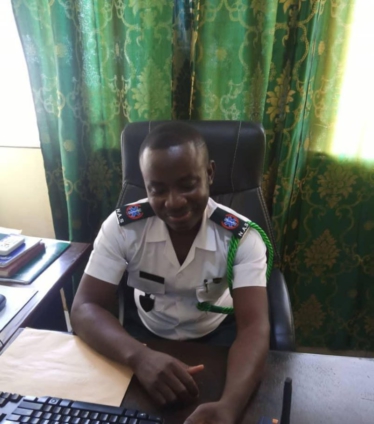
Mr Francis Ohemeng Nyantakyi, the Regional Director of NAS, in an interview with the Ghana News Agency (GNA) in Cape Coast, said women were the highest beneficiaries.
He said from July to September, 603 women against 485 men were saved with 46 of the cases being road traffic accidents, 295 medical, 254 maternal, 320 investigative, 16 special duty cases, 148 pediatrics, and nine Covid-19 cases.
He said patronage was a bit lower in the previous quarter because of the resurgence of COVID-19 and its related issues.
Speaking on challenges, the Director said requests for services were growing, adding the current volume of fuel supply allocated to the Service, was inadequate.
“The fuel we get for our work is no more sufficient because the task is now huge and so we have adopted a system where we accept little support from beneficiaries who are willing and able to support.”
He said the road network in some areas were bad and had resulted in a high cost of vehicle maintenance.
Others are lack of personnel and accommodation for staff.
Notwithstanding these challenges, he assured the public of their commitment to saving lives and urged all to call on the NAS during health emergencies.

Mrs Georgina Appiah, a Senior Midwife in charge of the Maternal Ward at the Cape Coast Metropolitan Hospital, told the GNA that there were some recognisable delays by the ambulance response team which constantly posed risks for patients.
Generally, she applauded the team for the commitment shown in their line of duty but admonished them to respond on time in other to lower the risk of death of patients.
“So far, so good. I see their patriotism and commitment to their work, I know the delay is probably something they have no control of but we plead that such issues are resolved to protect the interest of our patients”, she added.
Sharing some experiences, Mrs Hannah Asomaning, a trader, said she had to wait for the ambulance for some time after she was given a referral letter for treatment at the Teaching Hospital.
Latest Stories
-
We can tackle multiple priorities – Sam George defends Anti-LGBTQ Bill push
9 minutes -
Statement: Ghana Chamber of Mines’ Response to Claims in Joe Jackson’s “Ananse Stories about the Economy of Ghana”
10 minutes -
GES opens 2026 teacher recruitment for licensed B.Ed graduates
12 minutes -
Ghana must value skilled trades, build resilient learners — Ibn Chambas
20 minutes -
Ghana must rethink education around relevance, resilience and responsibility — Ibn Chambas
23 minutes -
Prince Harry faces defamation lawsuit from charity he co-founded
25 minutes -
South Korea deploys thermal cameras to track escaped zoo wolf
27 minutes -
Calls for royal meeting with Epstein survivors grow ahead of US visit
30 minutes -
Ibn Chambas advocates blend of technology and human values in education
32 minutes -
UMA improves healthcare access in Asutifi North with GH₵700k ‘Kim Taylor Legacy’ Walkway
37 minutes -
Scholarships Authority and Fanaka University offer sponsorship for procurement and supply chain studies
40 minutes -
Bisa Kdei drops new single ‘Go N Look’ featuring Medikal
46 minutes -
Benin facing rising terrorism in north as French military presence faces growing criticism
47 minutes -
UEW Public Lecture Series 2026: Education debate ‘about the soul of Ghana’s future’ — Dr Ibn Chambas
48 minutes -
EU fingerprint and photo travel rules come into force from today
1 hour